
Zipline Announces Quieter Drone Deliveries as Communities Raise Noise Concerns
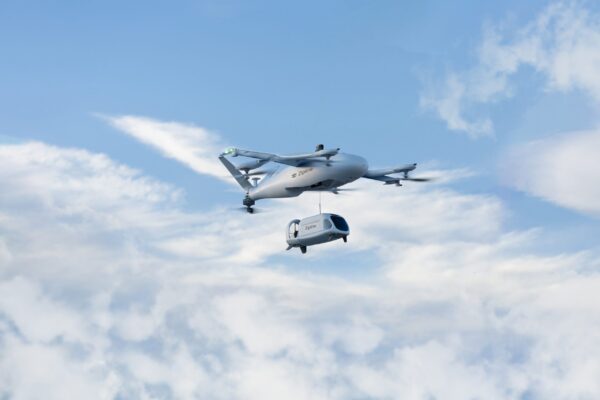
New flight software reduces modeled sound exposure by 68%, addressing a growing concern as drone delivery expands into residential areas.
Drone delivery company Zipline has announced new flight technology designed to make its aircraft quieter. The update comes as drone delivery operators face growing community concerns about noise and other impacts on residential neighborhoods.
Zipline says its new sound-optimized dynamic flying technology has reduced overall sound exposure per flight by 68%. Peak sound levels have fallen by 24% compared with its 2025 fleet. Both figures come from the company’s internal modeling.
The technology, now deployed across Zipline’s fleet, uses onboard sound modeling to adjust flight paths in real time. Rather than following a fixed path, the aircraft responds to wind, altitude, and speed to reduce noise.
How Zipline’s Noise Reduction Technology Works
Unlike conventional multirotor delivery drones, Zipline’s aircraft use a fixed-wing design. Once airborne, they can fly with only one motor running, reducing the noise associated with powered flight.
The new software helps aircraft transition more efficiently between powered flight and fixed-wing cruising. Onboard sensors measure wind conditions, while a sound model determines how to adjust the aircraft’s speed and altitude. For example, a drone may lower its nose to gain speed using gravity or climb to slow down more quietly.
According to Zipline, the changes have also improved operating efficiency. Flights now take an average of 53 seconds less, with aircraft spending approximately 50% more time in fixed-wing flight. The company reports a 21% reduction in energy use per flight.
“Zipline is building a future with less noise, less traffic, and less pollution,” said Keenan Wyrobek, Zipline Co-Founder and CTO. “We want people to love having Zipline available, not just tolerate it, and that starts with making it the quietest way to get a delivery. We’ve spent years pushing the limits of engineering to make that true.”
Zipline says the update builds on earlier design improvements, including quieter propellers and a delivery system that keeps the main aircraft approximately 330 feet above the ground while lowering packages to customers.
Noise Concerns Challenge Drone Delivery Expansion
Noise has become an important issue as drone delivery companies expand operations in residential communities.
In Westborough, Massachusetts, residents have raised objections to Amazon Prime Air’s proposed drone delivery operations. Community concerns include aircraft noise, privacy, and the potential impact of frequent flights over neighborhoods.
The dispute has also raised questions about local oversight. In an October 22 letter, the Massachusetts Department of Transportation’s Aeronautics Division told Amazon that its proposed operation requires a state certificate of approval. The agency said it had not received an application.
Although Zipline’s announcement is unrelated to the Massachusetts dispute, it addresses one of the broader challenges facing the industry. Drone noise depends on more than peak volume. Flight frequency, altitude, duration, and the character of the sound can all affect how residents experience drone operations. Reducing noise from individual flights may help, but community acceptance will also depend on how delivery networks operate as they expand.
Zipline’s reported improvements are based on internal modeling. The company has not provided independent acoustic testing results in the announcement.
For drone delivery operators, quieter aircraft could become increasingly important as companies seek to expand services while addressing concerns from the communities they serve.