
Red Cat Drops 2026 Revenue Guidance as Defense Deals Lag
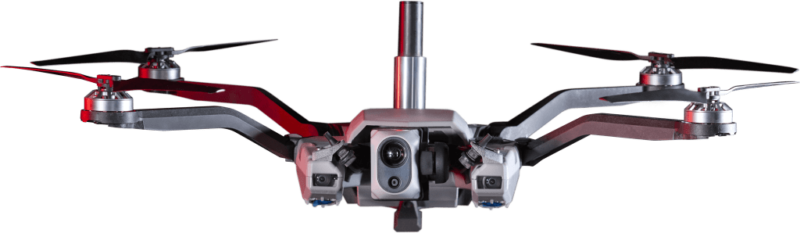
The company posted revenue gains in the third quarter, yet delays in procurement and the results of the Drone Dominance contest have clouded its short-term prospects.
Citing defense funding and contract awards that arrived later than anticipated, Red Cat Holdings pulled its full-year 2026 revenue projection. The firm also identified the outcome of the Pentagon’s Drone Dominance Gauntlet II contest as a key reason for adjusting its outlook.
These comments were included in Red Cat’s third-quarter financial report, which was published on November 16.
Revenue for the quarter stood at $11.8 million, marking a 22% rise compared to the same timeframe in 2025. For the U.S.-based maker of military drones and uncrewed maritime systems, the first nine months of 2026 saw total revenue hit $47.4 million, a 227% year-over-year increase.
Defense Procurement Timing Affects Revenue Outlook
Since restating its annual revenue goal in August, the company noted that the flow of funding and contract awards has been slower than projected.
Additionally, the outcome of Gauntlet II eliminated a source of revenue that had been expected in the near term.
The Pentagon launched the Drone Dominance initiative to make affordable, U.S.-made military drones more widely available. Through competitive evaluations, the program aims to find systems that satisfy operational needs and can be produced in large quantities.
Manufacturers involved in the program face selection decisions that could influence both their chances of winning future contracts and their production schedules.
Red Cat pointed out that elements like government funding, procurement choices, customer approval, and delivery timelines are beyond its control. Because of these variables, it is hard to forecast exactly when potential orders will convert into recognized revenue.
Red Cat Continues Expanding Its Defense Business
Even with the updated forecast, the company highlighted several progress points in its aerial and maritime sectors.
To streamline operations and prepare for future production, Red Cat recently merged Teal Drones and FlightWave Aerospace into a new entity called Red Cat Aerial.
The firm also secured its first U.S. government purchase order for B-26 uncrewed surface vessels through its Blue Ops maritime division. Furthermore, Red Cat announced new partnerships aimed at advancing maritime autonomy and supporting testing efforts.
The company is also working to acquire Steyr Motors AG, an Austrian engine manufacturer. This deal would boost manufacturing capacity and aid its maritime systems division.
At the close of the third quarter, Red Cat held $242.7 million in cash, which will help fund its ongoing activities and development initiatives.
A Broader Challenge for U.S. Drone Manufacturers
Red Cat’s performance underscores the gap between rising demand for U.S.-made military drones and the actual pace of procurement.
While the Pentagon prioritizes increasing domestic drone production, manufacturers must still manage competitive evaluations, funding choices, contract awards, and delivery standards.
Companies that invest in manufacturing capacity before securing confirmed orders often face uncertainty due to these processes.
Red Cat is actively seeking defense opportunities both domestically and internationally. Its recent results show that turning these opportunities into funded contracts and finished deliveries is crucial as the U.S. military expands its drone capabilities.