
FAA Air Traffic Control Modernization for Drones
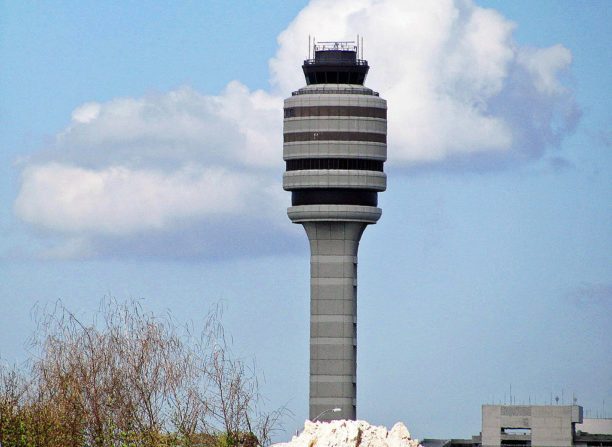
FAA executives detailed strategies to upgrade air traffic control infrastructure and integrate drones, a move highlighted by a recent nationwide service disruption that exposed system vulnerabilities.
The nationwide Federal Aviation Administration (FAA) outage on Friday served as a stark reminder of the urgent need to modernize the national air traffic control network. This event followed closely on the heels of an FAA official’s remarks regarding how such infrastructure investments would facilitate the integration of drones and advanced air mobility (AAM) aircraft into the existing airspace.
Franklin McIntosh, Chief Operating Officer of the FAA’s Air Traffic Organization, and Matt McCardle, Director of Global Regulatory at Amazon Prime Air, engaged in a discussion on modernization priorities. Their conversation took place at the AUVSI Drone and AAM Policy Symposium, which was held from November 9 to 10 at Nationals Park in Washington, DC.
The core of their discussion revolved around a single question: How can the FAA upgrade its current infrastructure while simultaneously preparing for the influx of new aircraft types and operational models?
Modernization Beyond Replacing Aging Equipment
A telecommunications failure that disrupted both aircraft communications and radar feeds forced the FAA to impose a nationwide ground stop on November 13. Air traffic operations were successfully restored by the evening of that same day.
In an explanation released on November 15, the FAA stated that legacy equipment became unstable due to excessive network traffic. This incident has renewed calls for reliable, modern air traffic infrastructure.
During the AUVSI session, McIntosh characterized the $12.5 billion already allocated for air traffic control modernization as merely a down payment. He noted that this initial funding would help restore system reliability, specifically through the acquisition of more than 600 new radars and enhancements to communications infrastructure.
He stressed, however, that swapping out old hardware is just the beginning. Future funding must also support a more flexible operating platform capable of handling new aviation technologies.
This distinction is vital for the drone sector. A more reliable version of the current air traffic control system may not inherently provide the specific capabilities required for widespread drone delivery, advanced air mobility, and other emerging operations.
Moving Toward Equal Access to Airspace
McIntosh also highlighted the need for a shift in the FAA’s approach to drones. "Everyone has the right to the airspace," he said, arguing that drones should be treated as aircraft and remote pilots as pilots.
McCardle noted that commercial drone delivery is no longer a theoretical concept. As these operations scale up, regulators and industry stakeholders must figure out how various aircraft types can coexist in the same airspace.
McIntosh admitted that the FAA must abandon its traditional approach to new operations. Instead of starting from a stance of restriction, he said the agency needs to find ways to "get to yes safely." He emphasized that the goal remains safe and fair access for all airspace users.
The discussion implies that modernization will require more than just new hardware. It will also necessitate changes to operating procedures and the way regulators evaluate emerging technologies.
Data Sharing and Industry Collaboration
Improving the exchange of information between regulators and operators is another key priority.
McCardle suggested the potential for greater two-way data sharing, highlighting the value of operational information as new aviation services develop.
McIntosh cited North Dakota’s VANTIS network as an example of how data sharing can help the FAA understand and evaluate new operations. He also acknowledged concerns about how shared data might be used, saying the FAA will need to address those concerns while developing systems that can adapt to changing operational requirements.
McIntosh stressed that industry participation will be essential. The FAA does not have all the answers, he said, and operators can help identify practical solutions to airspace integration challenges.
Counter-Drone Technology Presents Another Challenge
The discussion also addressed the growing need to integrate counter-uncrewed aircraft systems (counter-UAS) into the national airspace.
McIntosh explained that the FAA must carefully evaluate proposed counter-drone systems to ensure they do not interfere with existing aviation operations. He said the agency is working to develop safety risk assessments that could streamline future authorizations based on the type of counter-UAS technology involved.
Such an approach could help airports and other facilities deploy appropriate security systems while protecting the safety of surrounding air traffic.
Building an Airspace System for the Future
For the drone and AAM industries, McIntosh’s comments highlight the connection between infrastructure investment and future airspace access.
Friday’s outage demonstrated the risks associated with aging infrastructure. The AUVSI discussion addressed a broader challenge: ensuring that modernization investments also prepare the national airspace for new users.
The FAA must maintain safe, reliable operations for existing aircraft while developing the technology, procedures, and partnerships needed to support the next generation of aviation.