
Zipline Secures $1.5B to Build U.S. Drone Network
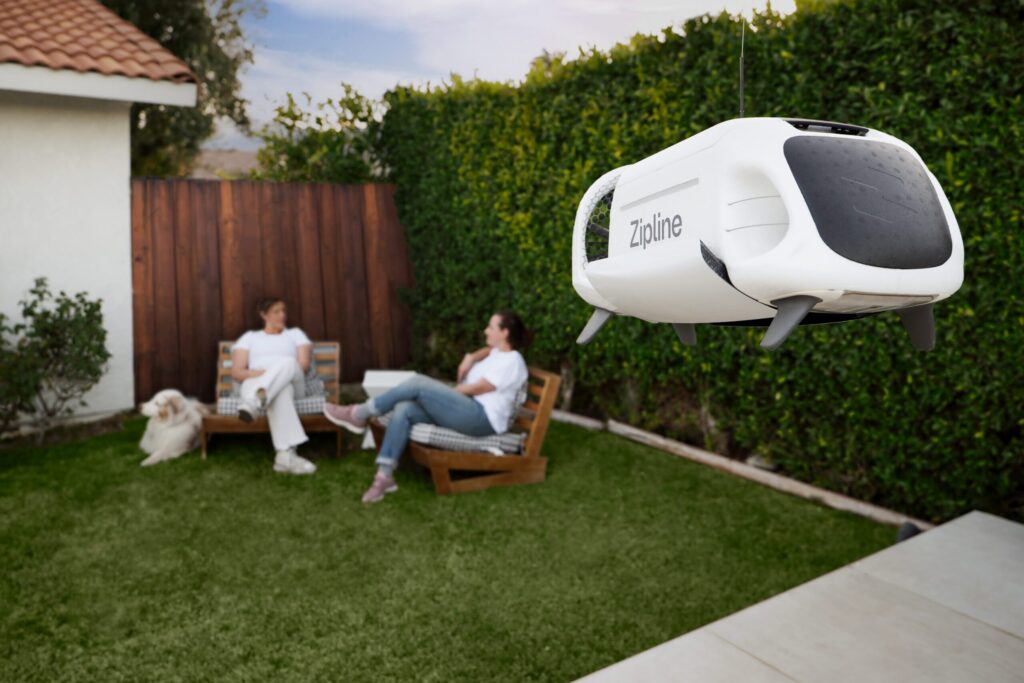
Backed by Walmart and Uber, the new capital injection values the firm at $21.5 billion as it prepares for nationwide expansion.
Zipline has secured $1.5 billion to scale its U.S. operations, a deal that places the company’s value at $21.5 billion. The capital will finance manufacturing, recruitment, and infrastructure for deliveries.
Layer Global, WCM Investment Management, and Paradigm spearheaded the investment round. Additional backers include Salesforce Ventures, ARK Invest, J.P. Morgan, Tiger Global, Valor Equity Partners, Fidelity, and Uber.
This latest valuation marks a steep rise in under a year, following an announcement in January 2026 of over $600 million in funding at a $7.6 billion valuation.
Walmart and Uber Support National Expansion
Under a new multiyear pact, Zipline and Walmart intend to open 300 additional delivery hubs, with potential for the partnership to grow beyond these initial sites.
Uber, which has also invested in Zipline, aims to achieve one million daily drone deliveries by the end of 2029.
The collaboration will embed Zipline’s capabilities into Uber Eats, beginning in current markets before rolling out to new cities.
These deals provide Zipline with access to established restaurant and retail clients, potentially generating the volume required to sustain a national network.
Delivery Volume and Business Results
Zipline states that hundreds of businesses now generate revenue via its service, with dozens of new partners joining weekly.
The firm also published performance data from restaurants that already utilize Zipline’s services.
From March to October 2026, Zipline’s share of delivery revenue at these establishments rose from 10.8% to 34.9%. Gross merchandise value from deliveries increased by 26%, with Zipline orders contributing 80% to that growth.
According to Zipline, these orders represent new business rather than cannibalized sales from other platforms.
While the data suggests drone delivery can help restaurants reach more customers, the results come from a specific group of established partners, not the entire network.
Faster, Quieter Deliveries
Zipline recorded over one million deliveries in the Dallas-Fort Worth region during 2026.
By October, the median delivery time was 19 minutes from checkout, dropping to 10 minutes for bakery orders that require minimal preparation.
The company has implemented technology to adjust aircraft operations and reduce noise. Its next-generation aircraft is designed to fly higher, quieter, and farther while carrying heavier loads.
These advancements address growing concerns as drone delivery services expand.
In Westborough, Massachusetts, residents and officials opposed Amazon’s proposed drone facility due to noise, safety, zoning, and environmental issues. Locals passed a bylaw limiting commercial drone operations, and federal lawmakers requested a site-specific environmental assessment. Amazon withdrew its application on October 30 but intends to submit a revised proposal.
This dispute underscores a key industry challenge: FAA approval does not guarantee local acceptance. Community sentiment, land-use regulations, and environmental oversight can dictate where companies can expand.
From Regional Operations to a National Network
Zipline started with medical deliveries in Africa before expanding into consumer delivery in the U.S. and other markets.
The company has flown 150 million commercial autonomous miles without a safety incident.
"Zipline has already brought the future of delivery to the communities it serves. Now, the opportunity is to reach millions more," said Anton Levy, Founder and Managing Partner of Layer Global. "With partners like Uber and Walmart and a repeatable model for entering new markets, Zipline is well positioned to make drone delivery a mainstream part of everyday life."
Zipline’s expansion serves as a test of commercial scale for the drone industry. Having demonstrated regular operations in select markets, the company’s next hurdle is extending this model nationwide while managing costs, ensuring reliable service, and addressing local concerns.