
Orlando To Vote On $6.8M Axon Skydio Drone Plan
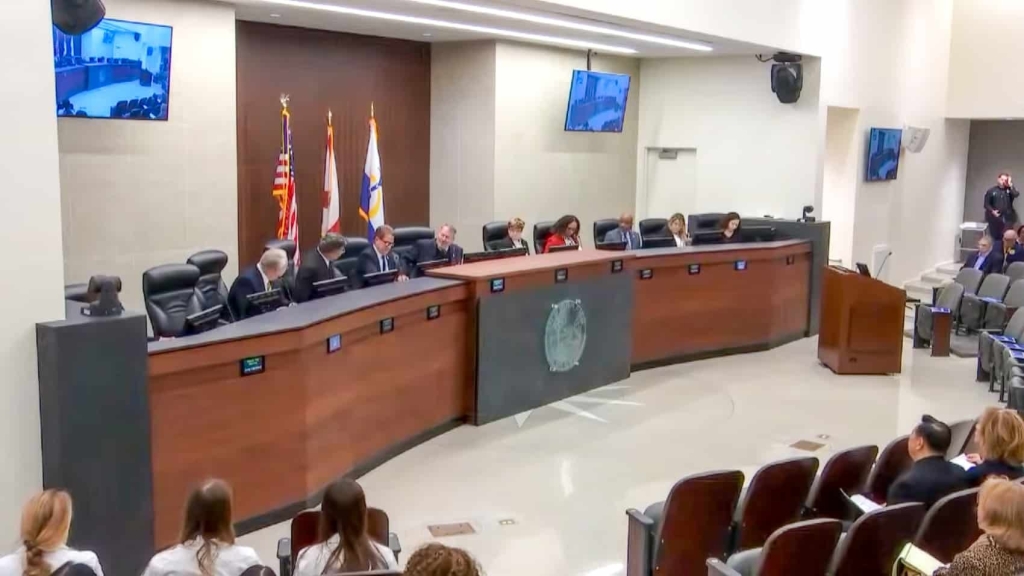 Photo credit: Orlando City
Check out the Best Deals on Amazon for DJI Drones today!
The Orlando City Council is set to vote Monday on a $6.83 million expansion of the Orlando Police Department drone program, a move that would formalize a Drone as First Responder system built around Axon’s Skydio aircraft, according to Orlando Weekly.
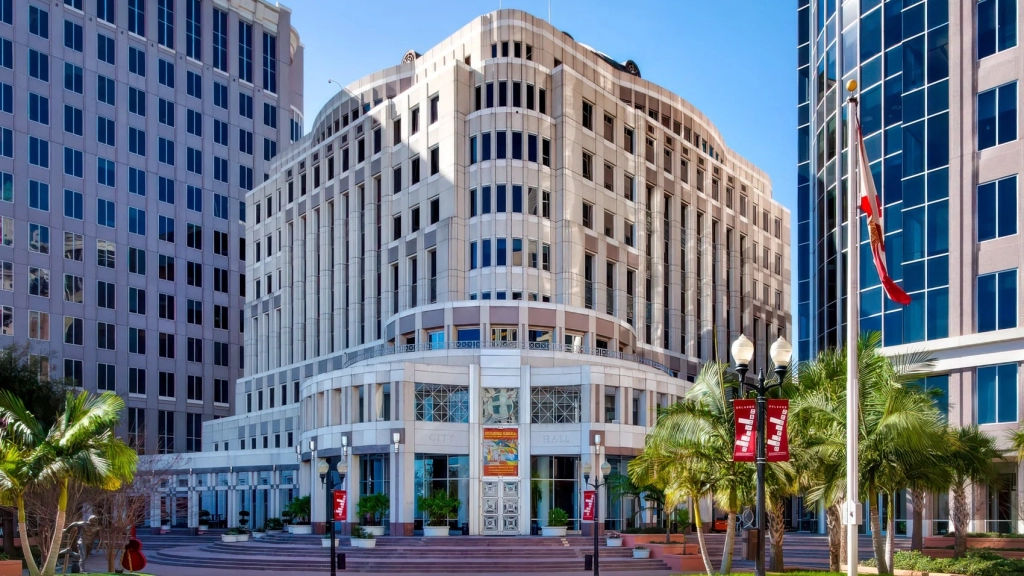 Photo credit: Orlando City
If approved, the city would amend its existing contract with Axon to purchase 11 new drones over an eight year period, at a projected cost of roughly $759,322 per year. The initial agreement would last four years, with a five year renewal option.
According to internal memos, the drones would operate out of the department’s crime center and be deployed by federally licensed sworn officers in response to 911 calls involving life threatening incidents, major property damage, or other urgent situations.
The goal is bold and specific. Get a drone on scene in under three minutes, streaming live video to officers before patrol units arrive.
Axon, Skydio, and the First Responder Model
The system would rely on Skydio drones integrated directly into Axon’s ecosystem. OPD already uses Axon body cameras, in car cameras, and Tasers, and Chief Eric Smith noted that Axon’s drones can tie into live 911 feeds and officer body cameras. An officer could request air support with the push of a button, triggering a launch from a rooftop dock somewhere in Orlando.
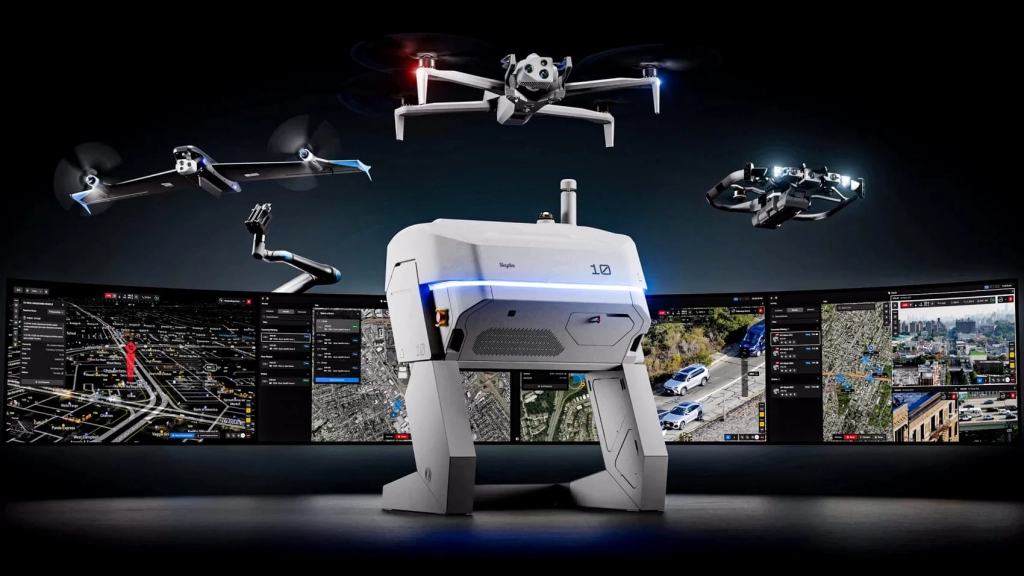 Photo credit: Skydio
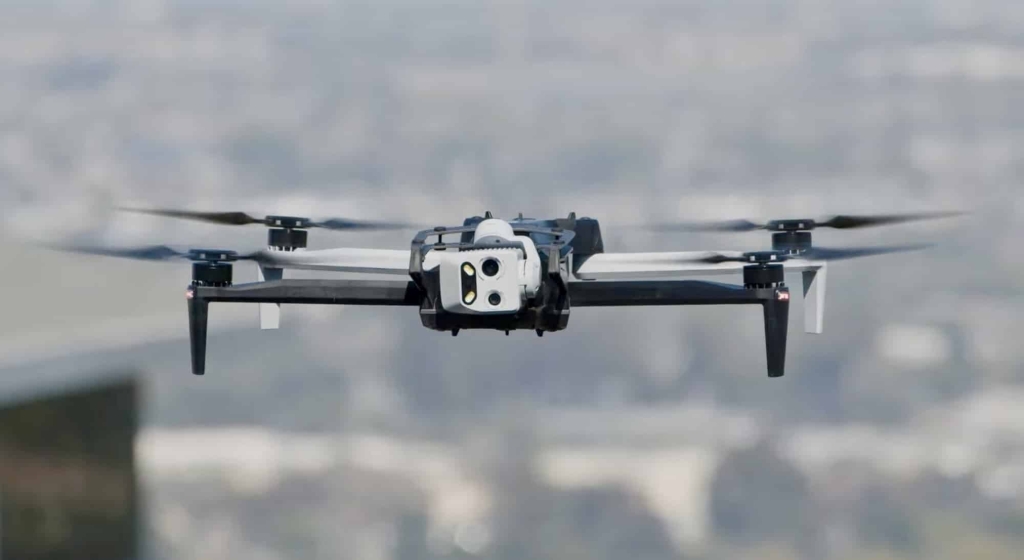
The specific aircraft expected to anchor the program is the Skydio X10, a capable U.S. made drone with strong autonomous navigation and obstacle avoidance. It is designed to fly beyond visual line of sight from a dock, making it well suited for rapid urban dispatch scenarios.
OPD reportedly evaluated other vendors, including Flock Safety, but ultimately moved forward with Axon after other options failed to provide a product for testing.
As of late 2025, Skydio drones are used by more than 1,000 law enforcement agencies across the United States, signaling a broader national shift toward dock based public safety drone programs.
The DJI Question: More Capability for Less?
Here is where things get interesting.
With a total program cost of $6.83 million, Orlando could theoretically field a fleet of comparable or even more versatile aircraft from DJI at significantly lower unit costs. In many enterprise procurement scenarios, DJI platforms come in at least 20 percent less per unit than comparable U.S. built systems.
 Skydio X10
Photo credit: Skydio
Models such as the DJI Matrice 400, DJI Matrice 30, and DJI Matrice 4TD offer broader payload flexibility than the Skydio X10.
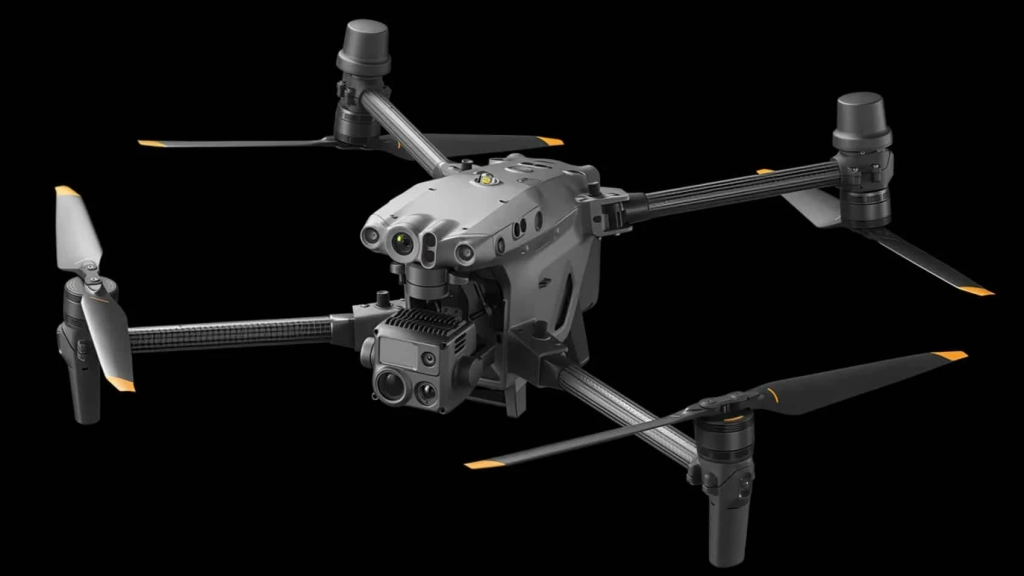 DJI Matrice 30
Photo credit: DJI
The Matrice 30 and Matrice 4TD already combine thermal imaging, zoom optics, and laser range capabilities in compact weather resistant airframes suitable for rapid deployment.
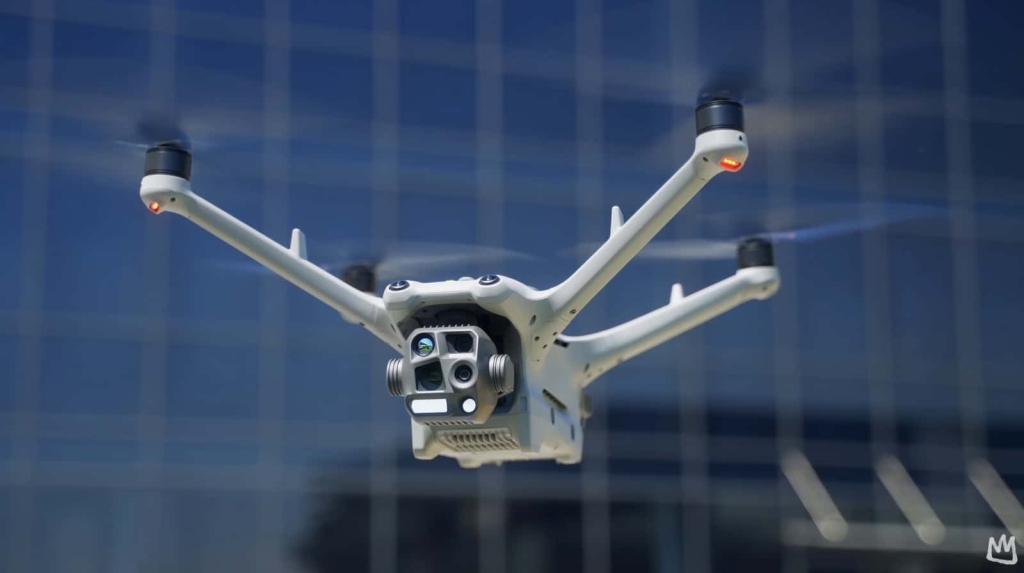 Photo credit: DJI
For public safety missions, that means one aircraft can handle search and rescue, suspect tracking, accident reconstruction, and nighttime overwatch without reconfiguration.
But the real heavyweight in this comparison is the Matrice 400. That aircraft can carry up to six different payloads simultaneously. Six. That allows agencies to combine wide angle visual, high powered zoom, thermal, LiDAR, spotlight, loudspeaker, or other mission specific tools on a single platform.
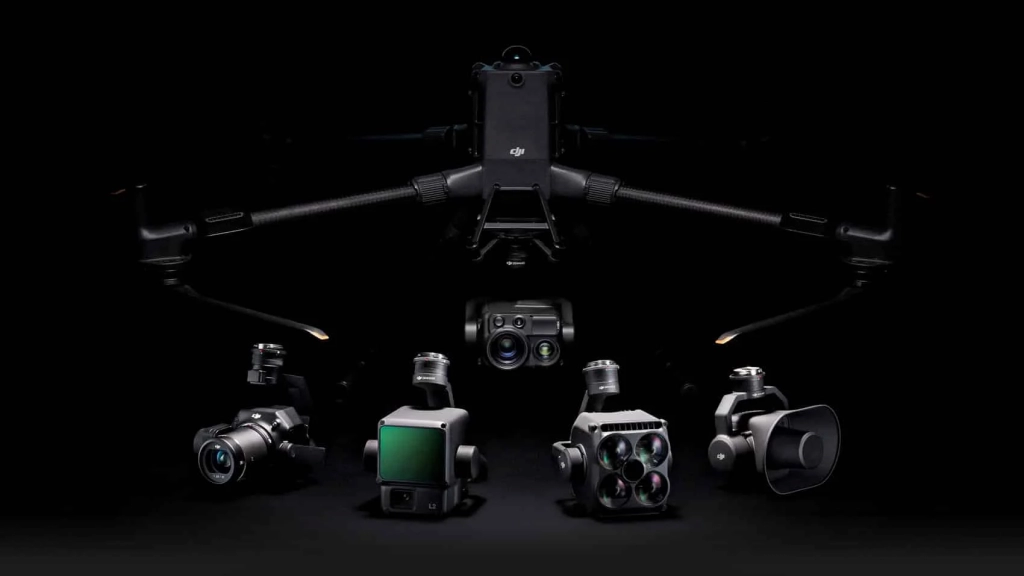 DJI Matrice 400
Photo credit: DJI
In complex incidents such as multi vehicle crashes or large perimeter searches, that flexibility can reduce the need for multiple launches and multiple aircraft.
In short, Orlando is choosing a tightly integrated U.S. ecosystem with strong autonomy features, but potentially at a premium, and possibly with less payload versatility than what DJI currently offers in the enterprise space.
Privacy Concerns and the Bigger Picture
Police drone programs across the country have triggered pushback from civil liberties groups such as the Electronic Frontier Foundation, which argues that persistent aerial surveillance risks collecting data on anyone within the drone’s flight path, especially in neighborhoods with high 911 call volumes.
In Orlando’s case, the drones would be dispatched only for life threatening or time sensitive calls, according to city documents. Still, once the infrastructure is in place, docks on rooftops, automated dispatch pipelines, live streaming to crime centers, the sky becomes part of routine policing.
Monday’s vote is not just about 11 drones. It is about whether Orlando embraces a permanently airborne layer of public safety technology, and whether it is willing to pay a premium for domestic integration rather than pursue lower cost, higher payload alternatives.
DroneXL’s Take
This is a classic tradeoff between ecosystem control and raw capability.
Axon plus Skydio offers seamless integration with body cameras, 911 systems, and evidence management. That matters in courtrooms and procurement offices.
But from a purely hardware perspective, DJI’s Matrice lineup, especially the Matrice 400 with its six payload capacity, is objectively more versatile and likely more cost efficient per airframe.
Orlando is betting on integration and domestic sourcing. The question is whether taxpayers are getting the maximum operational capability for $6.8 million, or simply the most politically comfortable option.
In the era of dock launched drones responding in under three minutes, the sky is no longer empty. It is budgeted.
Photo credit: Orlando City, Skydio, DJI.