
Drones Aid Pioneering Mouse Eradication Effort on Remote Australian Island
Aerial Baiting Effort Aims to Restore Seabird Populations and Fragile Ecosystems
A remote island off the coast of Western Australia is the focus of a pioneering conservation initiative utilizing drone technology to combat invasive species. This project, spearheaded by the Western Australia Department of Biodiversity, Conservation and Attractions (DBCA) in partnership with Monash University and industry collaborators, represents the first attempt to eradicate house mice from an island using drones.
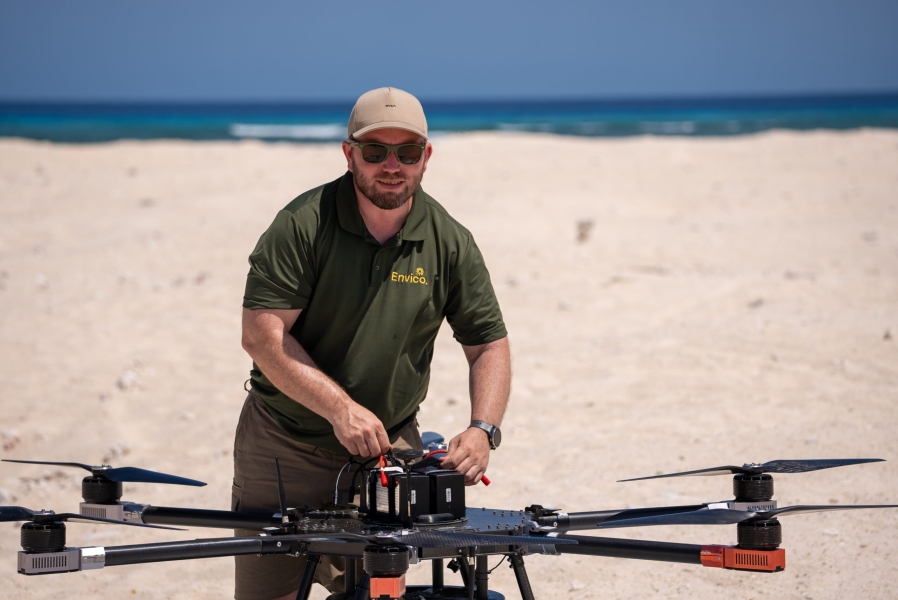
The increasing capabilities of drones across various sectors underscore their potential in environmental management. This initiative exemplifies how innovative tools can facilitate conservation efforts in hard-to-reach areas.
Browse Island, situated approximately 180 kilometers off the Kimberley coast, has experienced a significant decline in seabird populations due to historical guano mining and the introduction of invasive species. The current project aims to eliminate one of the remaining threats: the Asian house mouse.
A Remote Environment with Complex Challenges
The island’s remote location presents substantial logistical challenges. Teams must travel by boat for over a day and carefully coordinate landings amid reef and surf conditions. All necessary equipment, supplies, and drone systems must be transported and organized on-site.
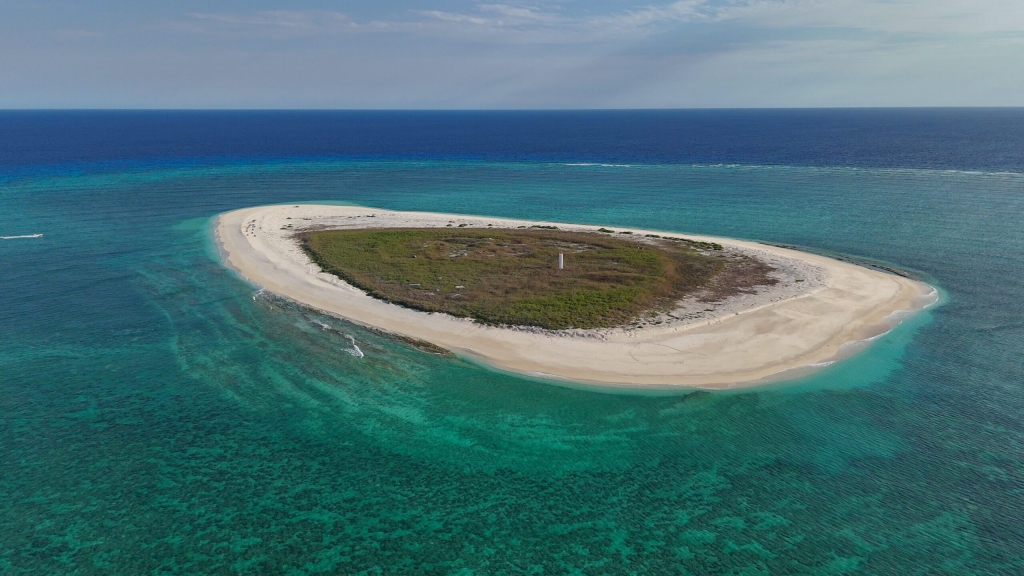
Associate Professor Rohan Clarke from Monash University emphasized the scale of the initiative, noting that this is the first global attempt to eradicate house mice using drones, highlighting the ambitious nature of the project given the island’s remoteness.
The dense vegetation on the island further complicates the effort, as thick ground cover makes traditional baiting methods slow and inefficient, reinforcing the need for an aerial solution.
Why Removing Mice Matters
Rodents are known to disrupt island ecosystems significantly. On Browse Island, their presence has negatively impacted seabird nesting behavior and survival rates. Field data collected during the project indicated high levels of mouse activity near nesting sites, with camera footage revealing frequent interactions between mice and seabirds, which can lead to disturbances that cause birds to abandon their nests.
Dr. Donal Smith of Monash University articulated the long-term goal of the project, expressing hope for the island’s restoration to its former ecological state, citing precedents for successful recoveries in similar contexts.
Drone Technology Enables Efficient Coverage
The project employs a custom-built drone system to distribute bait evenly across the island, allowing for rapid and precise coverage compared to ground-based methods. Drone operators follow pre-planned flight paths to ensure consistent bait distribution across all terrains, tracking where bait has been released to avoid gaps that could allow mice to survive.
Mike Jensen of Envico Technologies highlighted the importance of thorough coverage, noting that missing even a small area could enable mice to persist and reproduce.
The use of drones not only reduces time and labor but also enhances the feasibility of conservation projects in remote environments.
Collaboration Across Sectors
This initiative brings together government agencies, academic researchers, and private sector partners, combining expertise to support both project execution and data collection. Bruce Greatwich of DBCA emphasized the significance of collaboration in achieving successful outcomes, noting that multiple stakeholders are united in their goal.
The partnership model facilitates the integration of field operations with scientific research, with data collected during the project expected to inform future conservation efforts.
Supporting Seabird Recovery
Browse Island historically supported large seabird populations, but ongoing threats have limited their recovery despite recent increases in numbers. Researchers are actively monitoring bird populations and nesting activities as part of the project, which includes tracking species presence, counting nests, and observing breeding behaviors over time.
Isolated islands like Browse are crucial for seabird breeding, making the protection of these areas essential for maintaining regional populations, particularly in regions with limited suitable habitats.
Measuring Success Over Time
The initial round of baiting was completed in October 2025, but confirming the project’s success will require time. Eradication efforts typically necessitate 12 to 24 months of monitoring before results can be validated. Due to the island’s remoteness, follow-up surveys will be limited, making each assessment critical.
A second round of baiting may be conducted to ensure the complete removal of mice.
A Potential Model for Future Projects
While the final outcomes of this initiative are still under evaluation, it illustrates how drones can enhance conservation efforts in challenging environments. The integration of aerial technology, meticulous planning, and cross-sector collaboration may serve as a model for similar projects in the future. As drone technology continues to advance, its role in environmental management is expected to expand.