
Drones Support World-First Mouse Eradication Project on Remote Australian Island
Aerial baiting effort aims to restore seabird populations and fragile ecosystems
A remote island off the coast of Western Australia has become the site of a world-first conservation effort using drone technology to address invasive species. The project, led by the Western Australia Department of Biodiversity, Conservation and Attractions (DBCA) in collaboration with Monash University and industry partners, marks the first attempt to eradicate house mice from an island using drones.
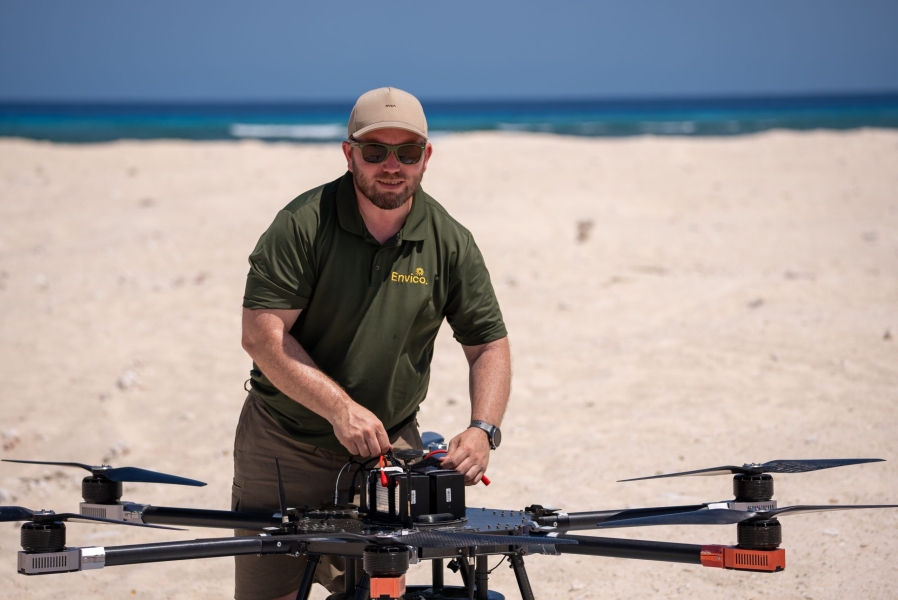
As drone capabilities expand across industries, projects like this highlight their growing role in environmental management. The effort also shows how new tools can support conservation work in places that are difficult to reach and manage.
Browse Island, located about 180 kilometers off the Kimberley coast, has seen a long decline in seabird populations. Historical guano mining and the introduction of invasive species disrupted the island’s ecosystem. Today, the project focuses on removing one of the remaining threats: the Asian house mouse.
A Remote Environment with Complex Challenges
The island’s location presents major logistical challenges. Teams must travel by boat for more than a day and carefully coordinate landings through reef and surf conditions. Equipment, supplies, and drone systems must all be transported and staged on-site.
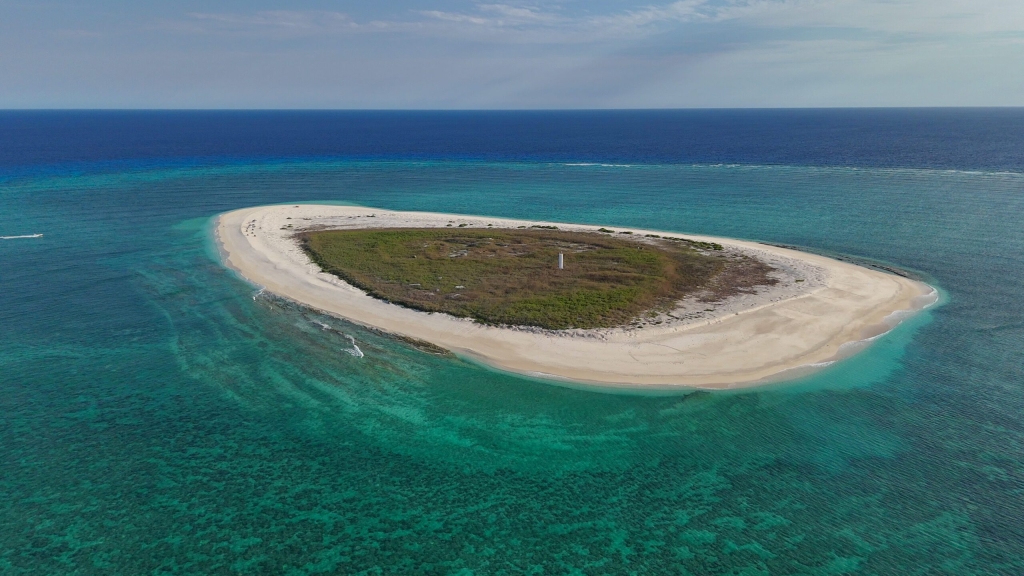
Assoc. Prof. Rohan Clarke of Monash University described the scale of the effort:
“…This is the first time that an eradication has been attempted for house mice anywhere in the world that’s using drones,,, it’s a pretty ambitious project. It’s especially ambitious when you think about how remote we are.”
Dense vegetation adds another layer of difficulty. Thick ground cover makes traditional baiting methods slow and inefficient, reinforcing the need for an aerial solution.
Why Removing Mice Matters
Rodents are widely known to disrupt island ecosystems. On Browse Island, their presence has affected seabird nesting behavior and survival rates.
Field data collected during the project showed high levels of mouse activity near nesting sites. Camera footage captured frequent interactions between mice and seabirds, indicating a constant source of disturbance. In some cases, birds may abandon nests due to repeated disruption, leading to failed breeding attempts.
Dr. Donal Smith of Monash University summarized the long-term goal:
“What we’d love to see here is… the island to return to that incredibly beautiful state. We’re confident that can happen. There’s precedent for for these kinds of incredible recoveries happening.”
Drone Technology Enables Efficient Coverage
The project uses a custom-built drone system to distribute bait evenly across the island. This approach allows teams to cover the entire area quickly and with greater precision than ground-based methods.
Drone operators follow pre-planned flight paths, ensuring consistent coverage across all terrain. The system tracks where bait has been released and helps avoid gaps that could allow mice to survive.
Mike Jensen of Envico Technologies explained the importance of full coverage:
“We’ve got to be real precise and cover every square inch. Because if you don’t get one little square metre, then the mice can just hang out in that area, and they might have enough food within that area, and then start breeding again.”
Compared to manual methods, drones reduce both time and labor. In remote environments, that efficiency can determine whether a project is feasible.
Collaboration Across Sectors
The project brings together government agencies, academic researchers, and private sector partners. This mix of expertise supports both execution and data collection.
Bruce Greatwich of DBCA highlighted the role of collaboration:
“This is a great example of where through fantastic collaboration between … multiple stakeholders, we can all come together and achieve a really great outcome. We’re all working towards one goal.”
The partnership model also allows the team to combine field operations with scientific research. Data collected during the project will help inform future conservation efforts.
Supporting Seabird Recovery
Browse Island once supported large seabird populations. While birds have begun to return in recent years, their recovery remains limited by ongoing threats.
Researchers continue to monitor bird populations and nesting activity as part of the project. This includes tracking species presence, counting nests, and observing breeding behavior over time.
Seabirds rely on isolated islands like Browse for breeding. Protecting these locations is critical for maintaining regional populations, especially in areas with few suitable habitats.
Measuring Success Over Time
The first round of baiting was completed in October 2025. However, confirming success will take time.
Eradication projects typically require 12 to 24 months of monitoring before results are confirmed. Due to the island’s remoteness, site visits will be limited, making each follow-up survey important.
A second baiting round may be conducted to ensure no mice remain.
A Potential Model for Future Projects
While the final outcome is still under review, the project demonstrates how drones can support conservation work in challenging environments.
The combination of aerial technology, detailed planning, and cross-sector collaboration may provide a model for similar efforts elsewhere. As drone capabilities continue to evolve, their role in environmental management is likely to expand alongside them.