
Beijing Implements Drone Ban: A New Approach to Urban UAV Regulation
Beijing Implements Comprehensive Drone Control Regulations
Beijing has introduced a new set of regulations aimed at controlling drone operations, marking one of the most extensive drone management systems in a major city. Effective May 1, 2026, these rules not only restrict drone flights but also regulate their sale, storage, and transport within the city, signaling a significant shift in urban drone policy that could have global implications.
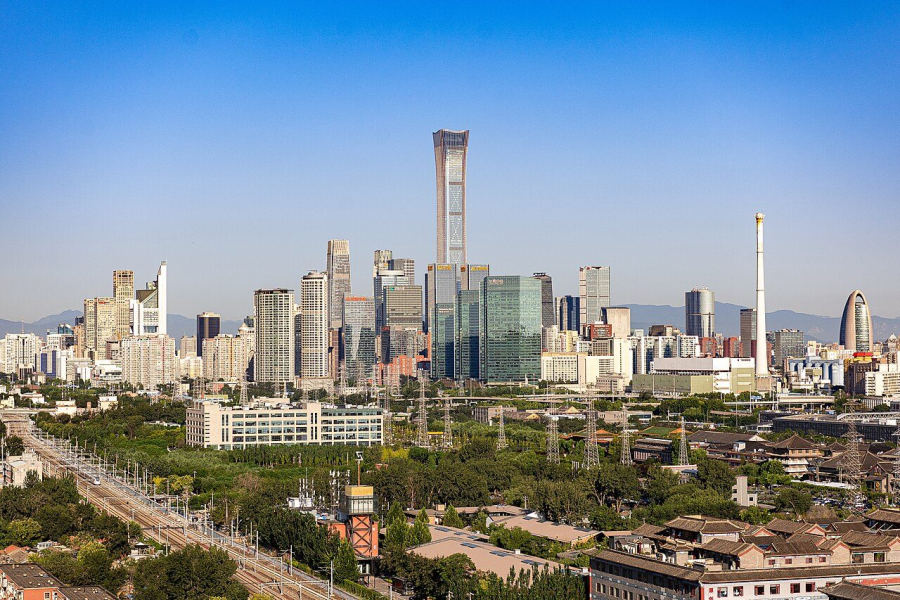
A Citywide Control Zone
Under the new regulations, all of Beijing is designated as controlled airspace for drones. Outdoor drone flights will require prior approval from authorities, with no exceptions for urban centers, parks, or rural areas within the city limits. Official communications indicate that there is no location in Beijing where recreational drone flights are automatically permitted, even in low-risk environments.
Authorities have cited public safety as the primary motivation for these regulations, noting that the rapid increase in drone usage poses new risks, especially in a densely populated capital with sensitive government sites and large public gatherings. This initiative aligns with China’s ongoing promotion of a “low-altitude economy,” which supports industrial and commercial drone development while enforcing strict controls in urban areas.
Regulating Access and Movement
The scope of Beijing’s drone policy extends beyond flight operations to encompass the entire lifecycle of drone ownership. The regulations prohibit:
- Sales of drones and essential components to individuals and organizations within Beijing
- Online purchases delivered to addresses in Beijing
- Transport of drones into the city via courier, freight, or personal travel
Retailers and e-commerce platforms are required to comply with these rules, and reports indicate that major online platforms have already restricted drone purchases for delivery within Beijing. Existing drone owners must register their devices and verify their ownership with public security authorities; failure to do so may result in non-compliance. Visitors are also advised against bringing drones into the city.
Defining Drone Storage Sites
Another significant aspect of the regulations is the management of “drone storage sites.” These sites are not individual residences but rather facilities where drones are stored in quantity or as part of organized operations. Examples include:
- Warehouses or distribution centers
- Fleet hubs for inspection, delivery, or public safety operations
- Maintenance and charging facilities
- Training or research locations
Beijing has prohibited the establishment of new storage sites throughout the city and specifically within the Sixth Ring Road, which encompasses the urban core. For storage facilities permitted outside this zone, operators must undergo security reviews and maintain detailed records of inventory and access, which may be subject to law enforcement scrutiny.
Enforcement Mechanisms
The enforcement of these regulations relies on multiple layers of control:
- Retail controls to prevent new drones from entering the local market
- Transport restrictions to limit the movement of drones into the city
- Registration and verification to track existing devices and their owners
- Facility oversight to regulate where drones can be stored and operated
Penalties for violations may include fines, confiscation of drones, and potential criminal liability for serious offenses. The system aims to prevent unauthorized drone activity before it occurs, rather than merely addressing illegal flights.
Comparison with U.S. Regulations
In contrast, drone regulation in the United States primarily focuses on flight operations, overseen by the Federal Aviation Administration (FAA). Urban drone use is restricted through controlled airspace and no-fly zones, but consumers retain the ability to:
- Purchase drones in retail stores or online
- Transport drones between locations
- Store drones at home or in commercial facilities
U.S. regulations emphasize how drones are used rather than restricting ownership or movement. Large-scale deployments, such as drone-in-a-box systems for public safety, are governed by airspace authorization and operational compliance, not by limitations on storage or logistics. In contrast, Beijing’s model regulates drones throughout their entire lifecycle, including acquisition, movement, storage, and operation.
Impact on Recreational Users
The new regulations significantly affect recreational drone users. Flying drones in Beijing now requires formal approval, and access to drones is tightly controlled. Existing owners must comply with registration and verification processes, while new users face challenges in purchasing and transporting drones. Consequently, recreational drone activity is effectively limited to approved scenarios rather than being broadly permitted with restrictions.
Future Implications for Urban Policy
Beijing’s approach raises important questions for the global drone industry as cities worldwide grapple with managing low-altitude airspace in densely populated areas. While the U.S. and other markets focus on integrating drones into existing aviation frameworks, Beijing’s strategy treats drones as a form of controlled urban technology requiring oversight beyond mere flight operations.
The key question remains whether other major cities, particularly those preparing for large-scale events or facing heightened security concerns, will adopt similar elements of this regulatory model. For now, Beijing serves as a clear example of comprehensive urban drone control, emphasizing the importance of managing drone presence alongside their flight operations.