
Oklahoma Is Building The Drone Workforce From The Classroom Up
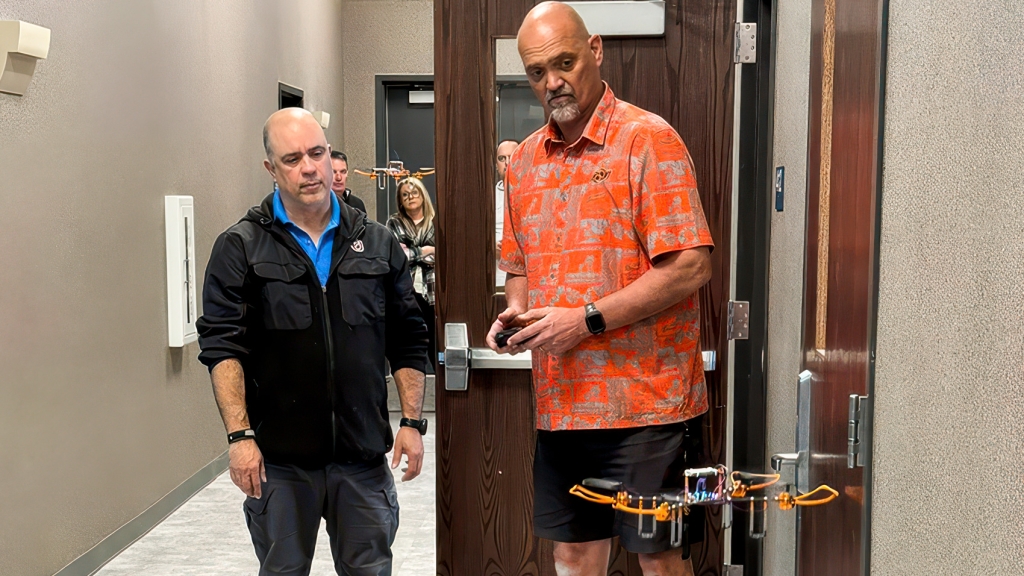 Photo credit: Oklahoma Department of Aerospace and Aeronautics
Check out the Best Deals on Amazon for DJI Drones today!
Oklahoma just showed the rest of the country what aerospace education leadership actually looks like. And it started with teachers.
Two Days at OSU That Actually Matter
On February 27 and 28, the Oklahoma Department of Aerospace and Aeronautics teamed up with OAIRE, the Oklahoma Aerospace Institute for Research and Education, to bring educators from across the state to Oklahoma State University in Stillwater, as they announced on a press release.
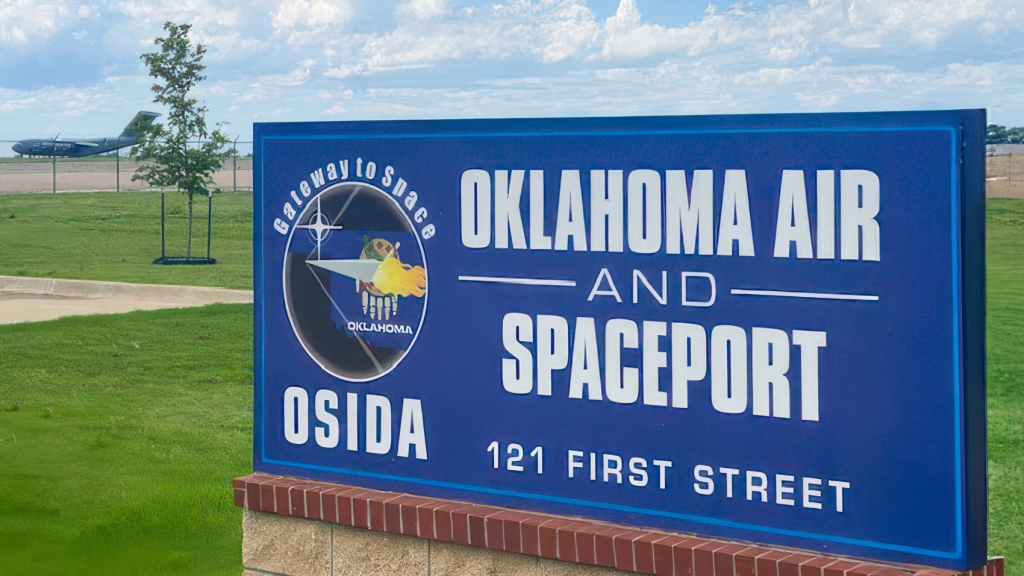 Photo credit: Oklahoma Department of Aerospace and Aeronautics
This wasn’t a conference room full of PowerPoints. Teachers got hands-on training in UAS technology, watched live demonstrations covering emergency management, agriculture, and wildlife conservation, and walked away with tools they can use in a classroom on Monday morning.
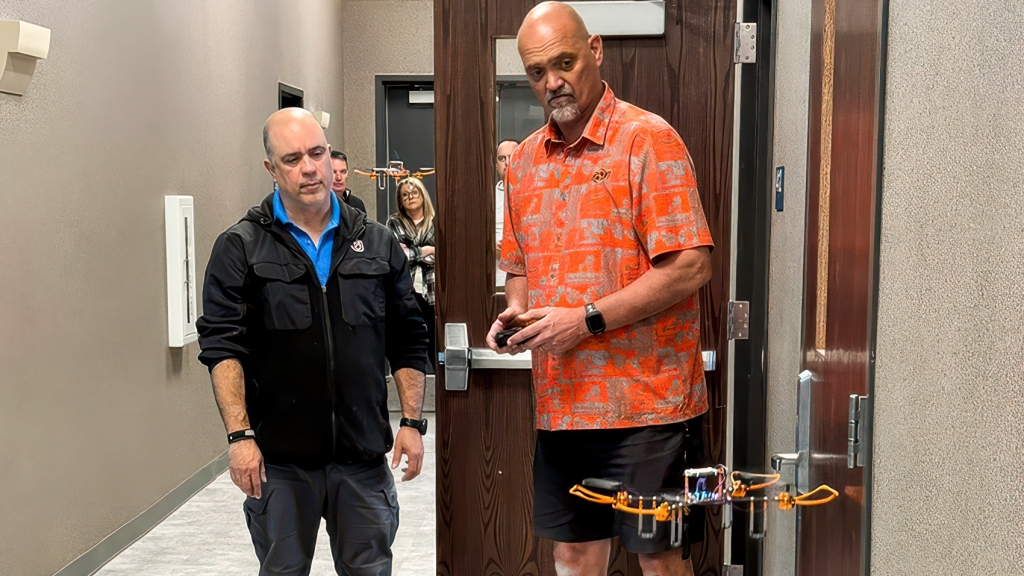 Photo credit: Oklahoma Department of Aerospace and Aeronautics
That’s the point. You don’t build an aerospace workforce by hoping talented kids stumble into it. You put great teachers in front of them first.
The ODAA has been clear about its mission: push the boundaries of flight by making sure the people who teach it are genuinely equipped to do so.
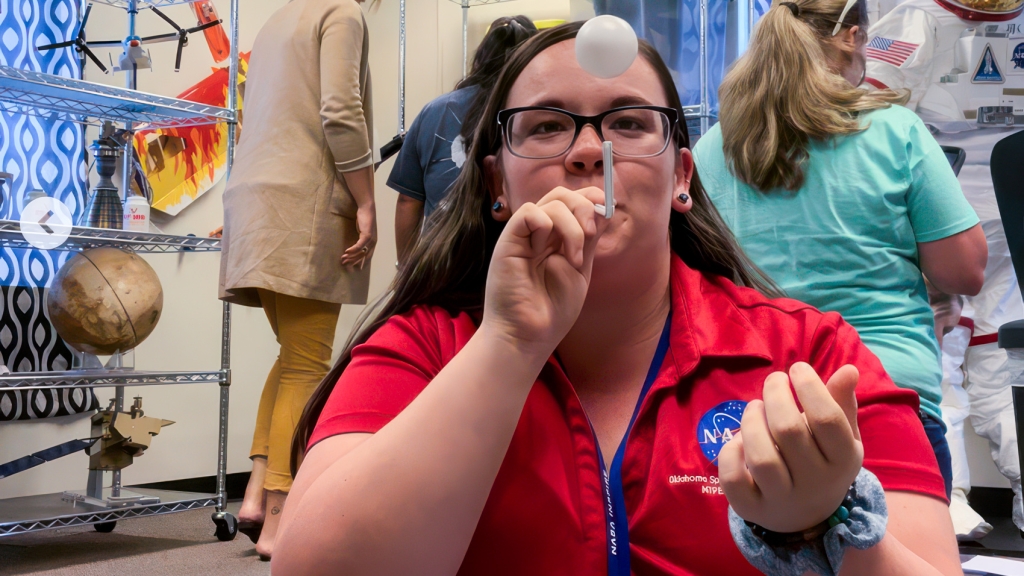 Photo credit: Oklahoma Department of Aerospace and Aeronautics
Bringing educators directly onto a university campus, putting drones in their hands, and showing them real-world applications isn’t a PR move. It’s a curriculum strategy. There’s a difference.
145 Schools and a Four-Year Pipeline
Oklahoma currently leads the nation in aerospace education. More than 145 schools across the state are running specialized STEM programs, including the AOPA “You Can Fly” curriculum, a four-year program offered completely free to any school committed to delivering it.
The program splits into two tracks. The pilot pathway builds toward the FAA Private Pilot knowledge test. The UAS pathway builds toward Part 107 drone pilot certification. Both tracks increase in difficulty each year, building real, stackable knowledge rather than surface-level exposure.
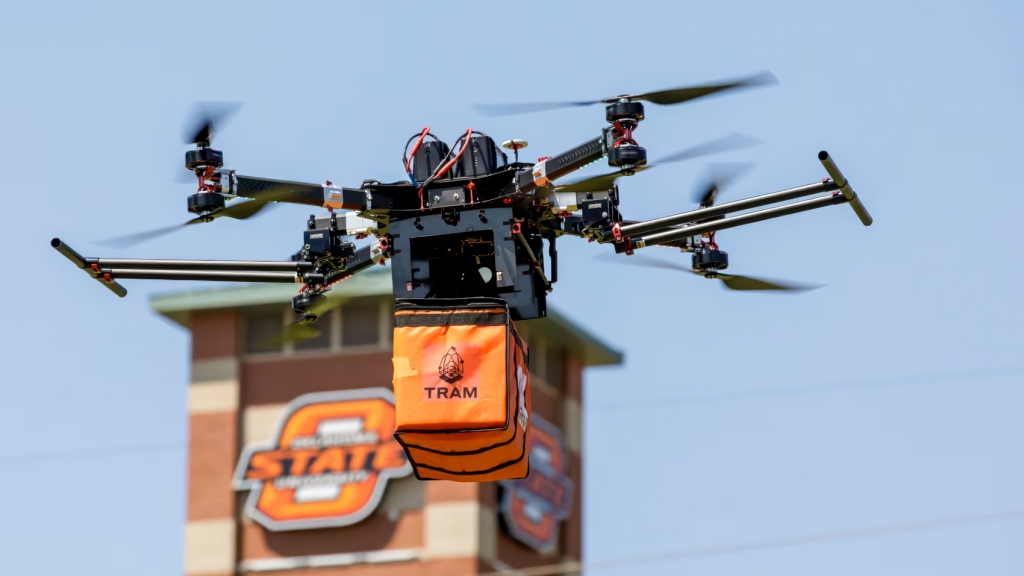 Photo credit: Oklahoma Department of Aerospace and Aeronautics
AOPA funds the curriculum, the online professional development, and the support services through donations from the general aviation community. Schools pay nothing. Students get a genuine credential at the end.
That’s not a field trip. That’s not a hobby club. That’s a structured four-year academic program that ends with a federally recognized certification.
What makes this model smart is the flexibility. Schools can choose one track or both. A student in a rural Oklahoma town who has never been near an airport can spend four years building toward a Part 107 certification, graduate with a real license, and enter a job market that is actively looking for drone pilots. That pipeline didn’t exist ten years ago. Oklahoma built it.
The Jobs Are Already There
Oklahoma’s aerospace and defense industries support 120,000 professional roles. That’s not a projection. That’s the current workforce, and it needs to be continuously replenished with trained people who know what they’re doing.
The state’s aerospace economy includes major presences from companies like Boeing, Northrop Grumman, American Airlines, and the FAA Mike Monroney Aeronautical Center in Oklahoma City, one of the largest FAA facilities in the world. The talent pipeline this education network feeds isn’t hypothetical.
The ODAA and OAIRE partnership exists to close the gap before it widens. By connecting high school teachers directly to industry-leading UAS technology, Oklahoma is creating a pipeline that runs from a classroom in Stillwater straight into one of the most active aerospace economies in the country.
“Our educators are the cornerstone of this program,” said Paula Kedy, ODAA Statewide Aerospace STEM Education Manager. “With our expanding network of schools, the support of our state legislators and partnerships with industry leaders, Oklahoma is well-positioned to continue leading the nation in aerospace education.”
Legislative backing. Industry partnerships. A free four-year curriculum. These aren’t talking points. They’re the infrastructure that makes a workforce pipeline actually work.
DroneXL’s Take
I’ll be direct: this is the kind of story that doesn’t get enough attention in the drone world.
Everyone wants to talk about the latest DJI release or the newest DFR deployment, and yep, the word “Skydio” probably will be in the title of that article. Fair enough. But none of that matters long-term without the people qualified to fly, operate, inspect, and innovate. Those people have to come from somewhere.
Oklahoma decided they were going to build that pipeline themselves, from the ground up, starting in high school. Free curriculum. That’s something you don’t see everyday. Certified outcomes. Real jobs waiting at the end. And a state government that is actively funding professional development so teachers can deliver it properly.
Here’s what nobody is saying out loud: most states aren’t doing this. They’re watching. They’re waiting for someone else to figure it out first. Oklahoma is building. That gap is going to show up in workforce numbers within a decade, and the states that moved early will have a measurable advantage.
The drone industry talks endlessly about innovation. The most innovative thing happening in American aerospace education right now might be happening in a high school classroom in Oklahoma. Pay attention.
Photo credit: Oklahoma Department of Aerospace and Aeronautics