
Navy Downs Unauthorized Drone At Whidbey Island Base
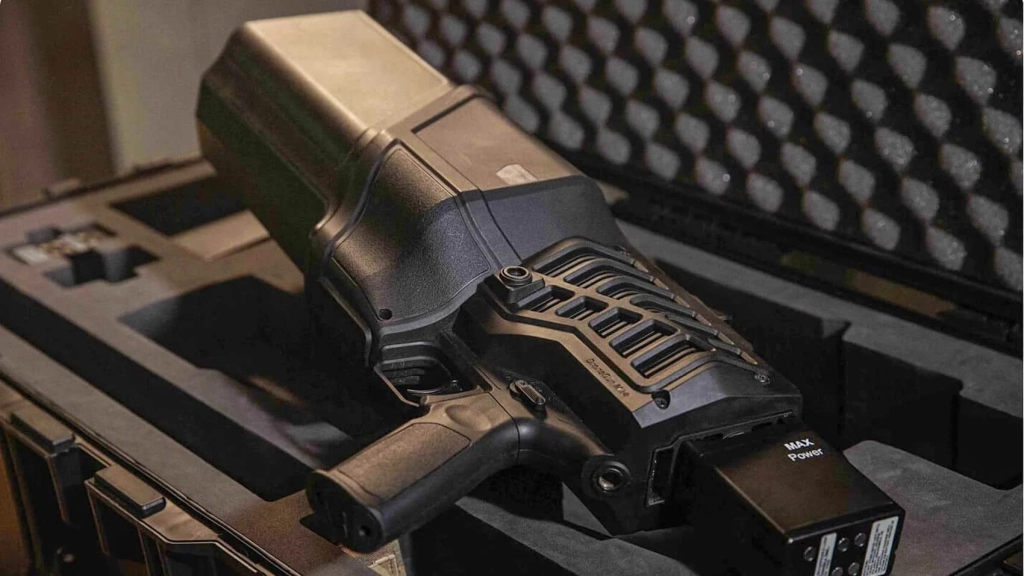 Photo credit: Droneshield
Check out the Best Deals on Amazon for DJI Drones today!
A commercially available quadcopter was disabled Tuesday after it was flown without authorization over Naval Air Station Whidbey Island in Washington state, according to the U.S. Navy and reported by Stars and Stripes.
The incident immediately raised alarms because the base plays a critical role in U.S. electronic warfare operations and hosts the Navy’s carrier based EA-18G Growler squadrons.
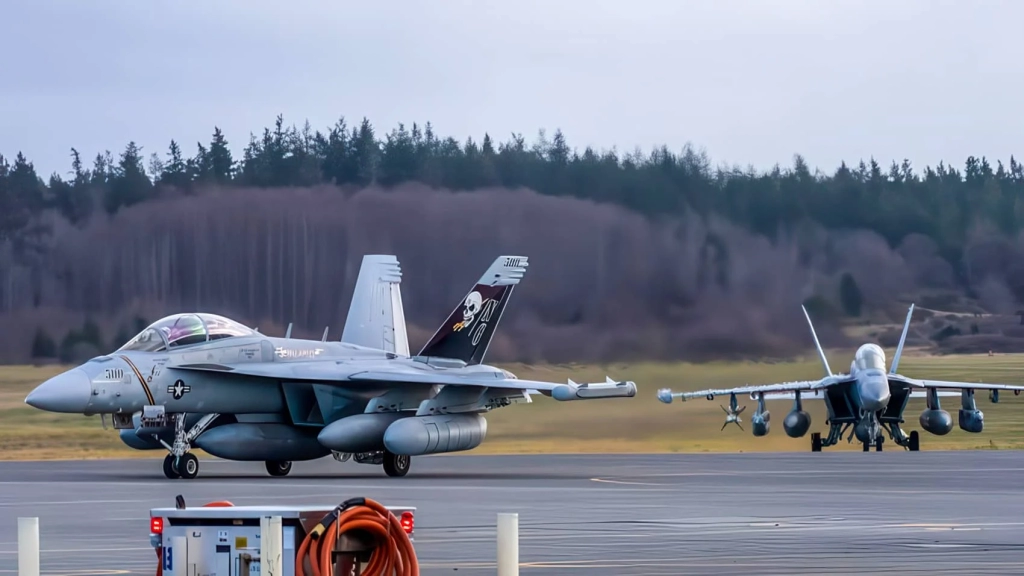 Photo credit: Jacquelin Frost / US Navy
Base officials confirmed the drone was detected shortly after becoming airborne, triggering defensive countermeasures that rendered the aircraft inoperable. Michael Welding, spokesperson for NAS Whidbey Island, said the drone operator was a Navy reservist assigned to the base on temporary duty.
During a break, and without notifying or receiving approval from his chain of command, the reservist launched a personal drone in direct violation of base regulations.
Once the drone was forced down, base security and explosive ordnance disposal teams secured the aircraft. Officials later confirmed the quadcopter did not carry explosives or any payload that posed a physical threat to personnel. No injuries were reported.
The Navy declined to release details about the counter drone systems used, citing operational security concerns. Welding also confirmed the service would not disclose whether the drone carried a camera or other sensors.
Reservist detained, then released to unit
Following the incident, Naval Criminal Investigative Service agents identified the drone operator and detained him for questioning. After an interview, the reservist was released back to his unit. The Navy has not publicly identified the individual involved, nor has it stated whether disciplinary action will follow.
While the event did not escalate into a security breach, it underscores how seriously the military treats unauthorized drone operations near sensitive installations.
 Photo credit: Jacquelin Frost / US Navy
Even a hobby grade quadcopter can trigger a full defensive response when flown in restricted airspace, especially over bases tied to electronic warfare, intelligence gathering, and combat readiness.
NAS Whidbey Island is home to some of the most advanced electronic attack aircraft in the U.S. arsenal.
The Growler’s mission involves radar jamming, signal disruption, and suppression of enemy air defenses. That context makes even a seemingly harmless drone flight unacceptable, regardless of intent.
A reminder of strict drone rules on military bases
The Navy’s response highlights how modern counter drone systems are increasingly integrated into base defense. Detection, tracking, and neutralization capabilities are now routine at high value military installations, even against small commercial drones.
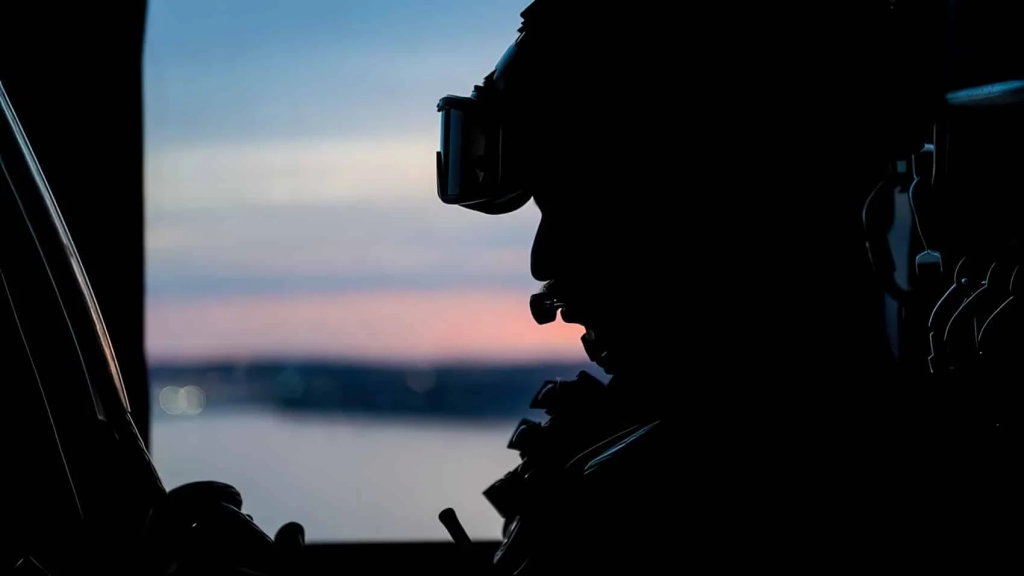 Photo credit: Jacquelin Frost / US Navy
For civilian drone pilots, and even service members, the rules are clear. Military bases are restricted airspace. Launching a drone without authorization can result in detention, confiscation of equipment, and possible legal consequences. This applies even if the drone is used recreationally and carries no payload.
The incident also shows that insider status offers no protection. Being a reservist or active duty member does not grant permission to operate personal drones on base, especially without command approval. From a security perspective, intent matters less than capability and location.
DroneXL’s Take.
This incident is a textbook example of why counter drone systems are no longer theoretical or optional. A single off the shelf quadcopter was enough to activate base defenses at one of the Navy’s most sensitive air stations.
That tells us two things. First, detection systems are now highly capable and likely far more automated than the public realizes. Second, tolerance for unauthorized drones near military assets is effectively zero.
It also highlights a growing education gap. As drones become more common, even trained military personnel can underestimate how quickly a casual flight can turn into a security incident.
For the broader drone community, the takeaway is simple. Restricted airspace is not a suggestion, and enforcement is no longer passive or slow. The sky around military bases is watched closely, and the response is immediate.
Photo credit: Jacquelin Frost / US Navy