
CENTCOM Deploys LUCAS Drone Force In The Middle East
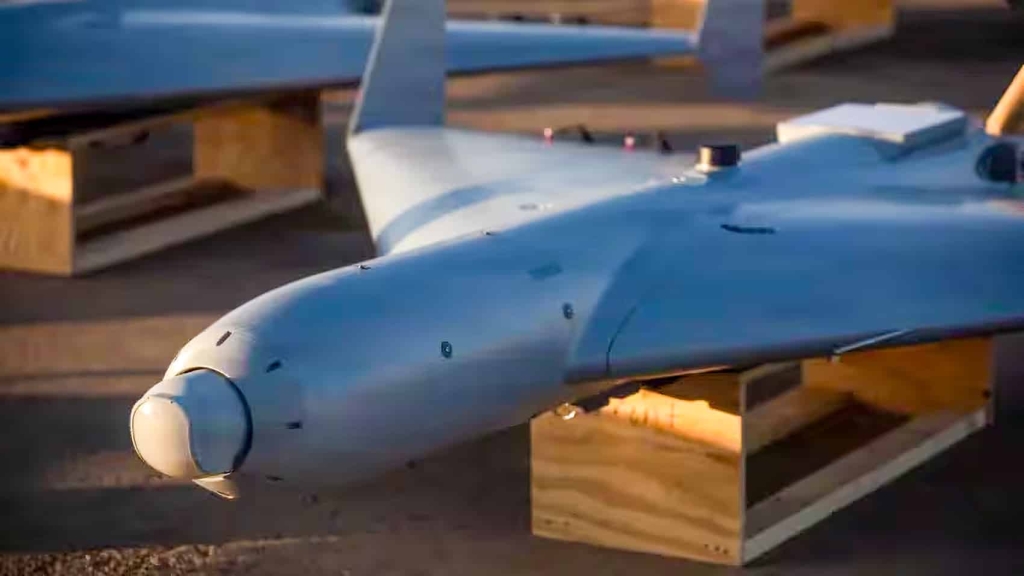 Photo credit: U.S. Department of Defense
Check out the Best Deals on Amazon for DJI Drones today!
The United States has officially deployed its first line of Low Cost Unmanned Combat Attack System drones in the Middle East, marking a clear shift in how Washington plans to counter Iranian influence.
The new formation, known as Task Force Scorpion Strike, was created only months after Secretary of Defense Pete Hegseth ordered all branches to accelerate drone integration across military operations, as reported by Defense News. The task force operates under U.S. Special Operations Command Central and includes a small team of operators tasked with establishing and managing the new drone fleet.
The LUCAS platform was developed by SpektreWorks using reverse engineering of an Iranian Shahed-136 captured several years ago.
The result is a modular system with an appearance similar to the Shahed but with expanded capabilities. U.S. officials say the move is designed to rebalance the drone equation in the region, especially after months of rising tension and the earlier U.S. strike campaign that destroyed Iranian nuclear facilities in Fordow, Natanz, and Isfahan.
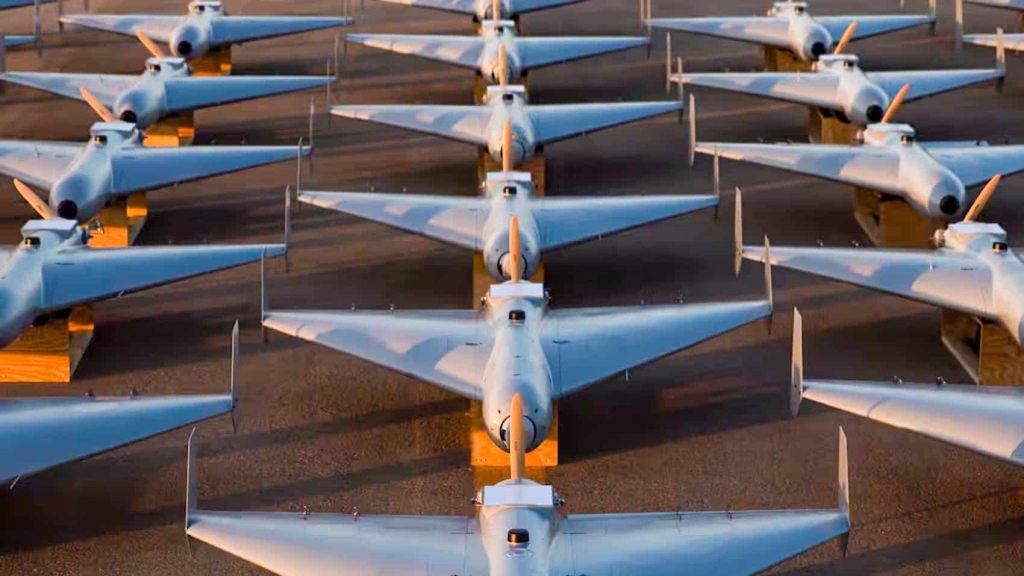 Photo credit: U.S. Department of Defense
A Scalable System Designed for Modern Battlefields
LUCAS drones offer long endurance, simple logistics, and a price point that is transforming U.S. strategy. With a unit cost of about thirty five thousand dollars, the system delivers effects once reserved for long range cruise missiles at a fraction of the price. Capt. Tim Hawkins, a CENTCOM spokesperson, noted that the aircraft gives frontline forces advanced capability without the cost and delays seen in many legacy Pentagon programs.
 Photo credit: U.S. Department of Defense
Key specifications include a length of about three meters, a wingspan of 2.4 meters, a maximum range of seven hundred eighteen kilometers, six hours of endurance, and an eighteen kilogram payload capacity. The drone can launch from trucks, simple platforms, or rocket assisted rails. This allows forces to deploy it rapidly without specialized crews.
The system also integrates with the Multi Domain Unmanned Systems Communications network, which lets LUCAS act as a communications node in degraded environments. It can also support and control other unmanned platforms, extending the reach of joint operations. Built on the FLM 131 base, the drone can swap modules to perform reconnaissance, communications relay, explosive strike missions, or even serve as a target during training.
A Shift in U.S. Strategy Toward Low Cost Airpower
Task Force Scorpion Strike enters the field at a moment when low cost drones are reshaping global conflict. Iranian Shaheds have already proven their value in Ukraine and the Middle East.
U.S. commanders now appear committed to building their own affordable inventory that can be deployed in large numbers and replaced quickly. This marks a departure from the long cycles and high costs that define many traditional American weapons programs.
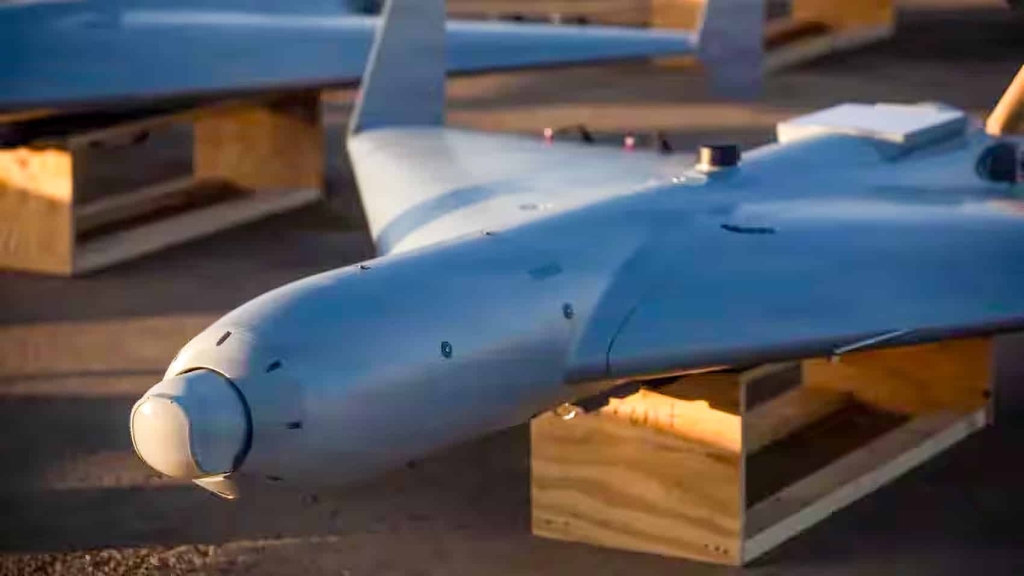 Photo credit: U.S. Department of Defense
The new task force also connects to a broader CENTCOM effort launched in September to speed new technology to deployed units. Together, these initiatives point to a sustained shift in how the U.S. plans to deter regional adversaries. While LUCAS has passed initial testing and appears ready for mass production, analysts caution that real combat performance is still unknown. Even so, the Pentagon is betting that cheaper, scalable drones will define the next phase of warfare.
DroneXL’s Take
The arrival of Task Force Scorpion Strike signals a major pivot in U.S. drone strategy. By fielding a low cost system modeled on the Shahed but upgraded for American missions, the Pentagon is acknowledging that scale matters as much as sophistication.
The price point, the modular design, and the ability to launch the drone from almost anywhere reflect a new era of mass produced combat aircraft. For DJI pilots and readers, this is another example of how military trends often move faster than civilian tech, and it suggests that future innovations may come from the low end of the cost spectrum rather than the high end.
Photo credit: U.S. Department of Defense