
Ukraine Interceptors Take On Russia’s New Jet Shaheds
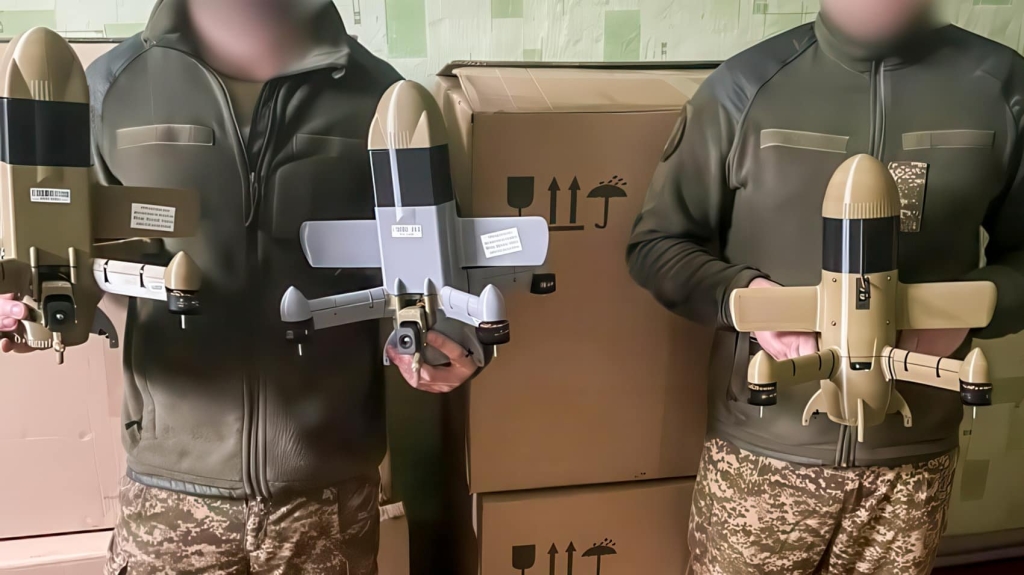 Photo credit: Sternenko Foundation
Black Friday Deals: DJI Flip $349, Mini 4K $359, Mini 3 $439, Skyrover S1 $349, X1 $539
Russia is sending more of its new jet powered attack drones into Ukrainian airspace. These drones are called the Geran 3, and they are Russia’s version of the Iranian Shahed-238. The jets are faster, harder to hit, and designed to slip through Ukraine‘s air defenses.
The speed is the biggest change here. The Geran 3 can reach about 230 miles per hour. That is double the speed of the older Geran 2, which travels at about 115 miles per hour. Russia has used the slower propeller model in huge numbers for more than a year, now the Geran 2 has become the base of Moscow’s wide scale drone campaign, according to Business Insider.
Ukraine’s General Staff said Russia has already used at least 138 Geran 3 drones. This number appeared in a briefing for senior officials but the new drones are not yet seen in the same large waves as the Geran 2. Several Ukrainian officials have said Russia is testing the drone more than deploying it in giant numbers. They believe Moscow is studying how Ukraine reacts before scaling up.
The Geran 3 is more advanced than earlier drones because carries a satellite navigation system that makes it harder to disrupt with electronic warfare. It also appears to be built with better materials that help it fly faster and farther, all these upgrades could become a serious challenge if Russia decides to mass produce the jet model.
Ukraine Turns To Fast Low Cost Interceptors
On the other side, Ukraine has relied on cheap interceptor drones to stop Geran 2 attacks. These interceptors are small quadcopters or custom built first person view drones. They are modified to fly fast and hit Russian targets head on. Most of them cost from two thousand to six thousand dollars. That makes them far cheaper than a traditional missile.
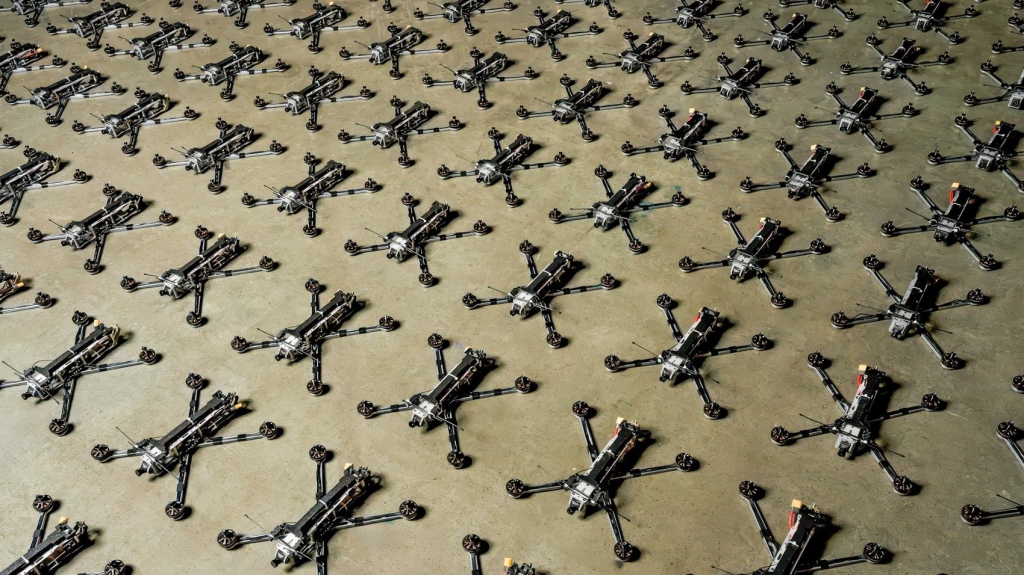 Photo credit: Sternenko Foundation
This low cost solution became essential because Russia uses drone swarms to overwhelm defenses. Ukraine cannot fire expensive missiles at every cheap drone. Many Geran 2 units cost around twenty thousand dollars and Russia can send hundreds at once. The solution here for Ukraine is to use cheaper tools to keep up.
The Sting interceptor is one of the drones Ukraine uses the most. This baby comes from the Ukrainian manufacturer Wild Hornets. The Sting can reach speeds close to 215 miles per hour so he is fast enough to chase down the older Geran 2. It uses four rotors and a lightweight body to close distance quickly and make his kill fast.
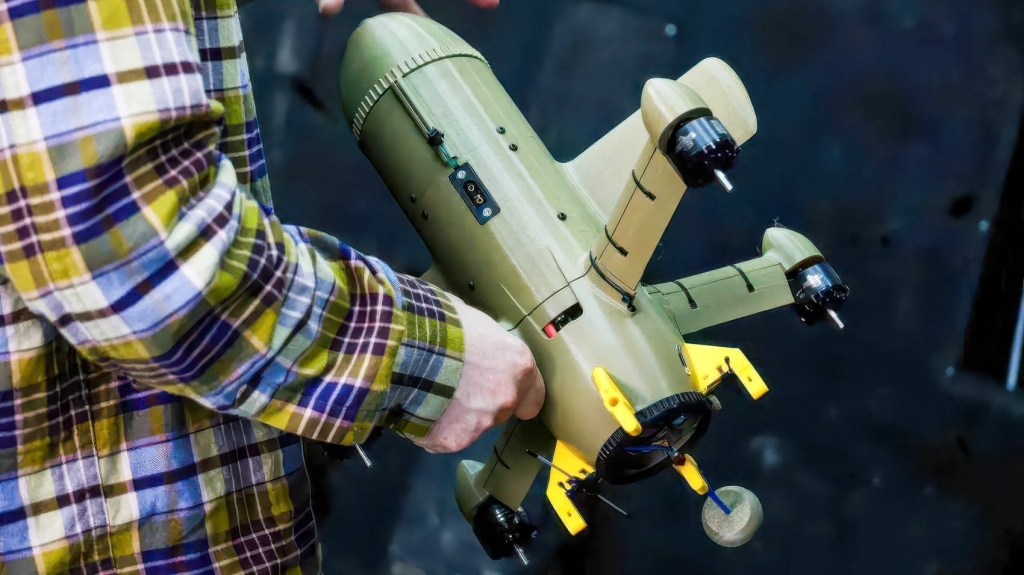 Photo credit: Sternenko Foundation
When the Geran 3 appeared, many Ukrainians worried that their interceptors were now too slow, and think that a jet powered drone could simply outrun them. Some defense experts said Ukraine might need a brand new class of interceptors to keep up. We are not so sure about that.
This week, new evidence shows that the Sting can catch Russia’s new drone. Serhii Sternenko, who leads a volunteer group that donates drones to military units, announced that the Sting successfully shot down several Geran 3s.
Sternenko called it a major moment for Ukraine’s air defenses and posted a photo that shows the back of a Geran 3 in flight. The image was taken from the interceptor’s own camera.
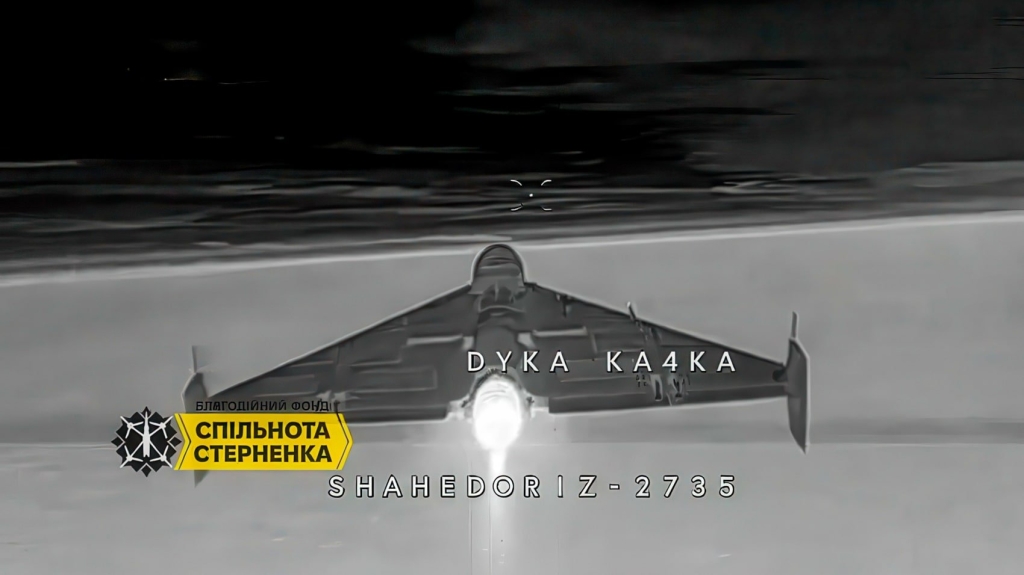 Photo credit: Sternenko Foundation
Wild Hornets later shared video of the same event. The clip was taken from a first person view camera as the Sting moved in behind the Geran 3.
The Cost Fight Is Still The Real Battle
Ukraine says it has destroyed most of the Geran 3 drones launched so far. That is good news. But it is not clear how each drone was taken down. Some may have been shot by machine gun teams. Others may have been jammed or burned out by electronic warfare systems. And now at least some appear to have been hit by interceptor drones.
Ukraine must keep costs low to win this part of the war. Russia’s plan is simple: build cheap drones and send as many as possible. Force Ukraine to spend more money stopping them. If Ukraine can fight jet powered drones with cheap interceptors, then it keeps the cost balance on its side.
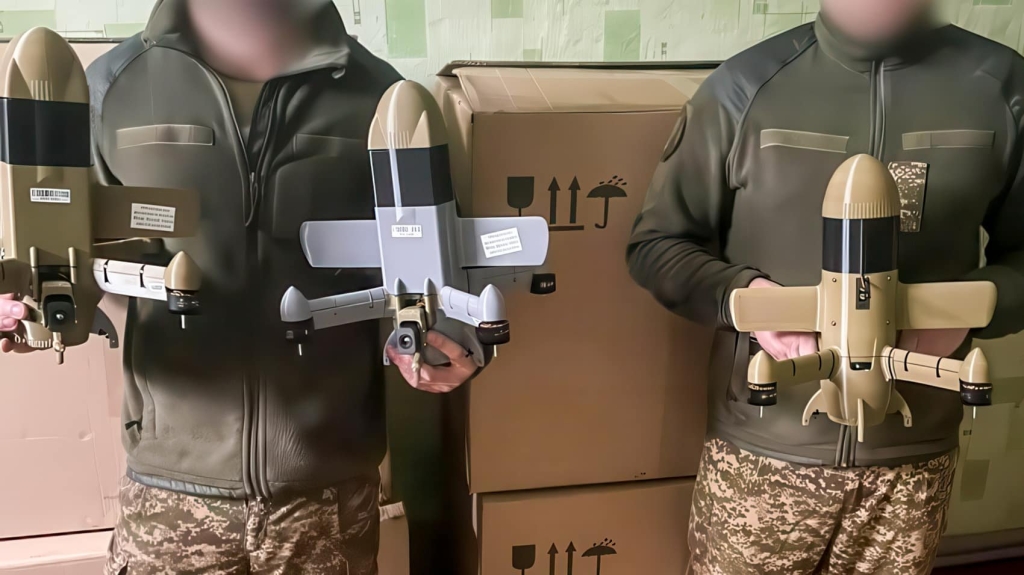 Photo credit: Sternenko Foundation
Ukrainian officials said in September that they already have drones designed to counter jet powered Shaheds. Even if they did not share many details, the new video proof suggests the development effort is working: engineers in Ukraine are adapting fast and building quicker interceptors that can fight a growing jet threat.
DroneXL’s Take
This interception is a big deal. It shows that Ukraine can still defend its cities with low cost drones even as Russia moves to faster jet powered models. The race between attack drones and interceptors is speeding up. Russia wants more volume and more speed. Ukraine wants smarter tools at a lower price. If cheap interceptors continue to stop the Geran 3, Ukraine keeps the advantage in one of the most important battles of modern air defense.
Photo credit: Sternenko Foundation