
Teledyne FLIR Introduces Prism Software for Enhanced Detection of Small Drones
Teledyne FLIR Launches New Software for Drone Detection
Teledyne FLIR OEM, a division of Teledyne Technologies Incorporated, has introduced Prism C-UAS, a software solution aimed at enhancing the detection and tracking of small, hard-to-detect drones.
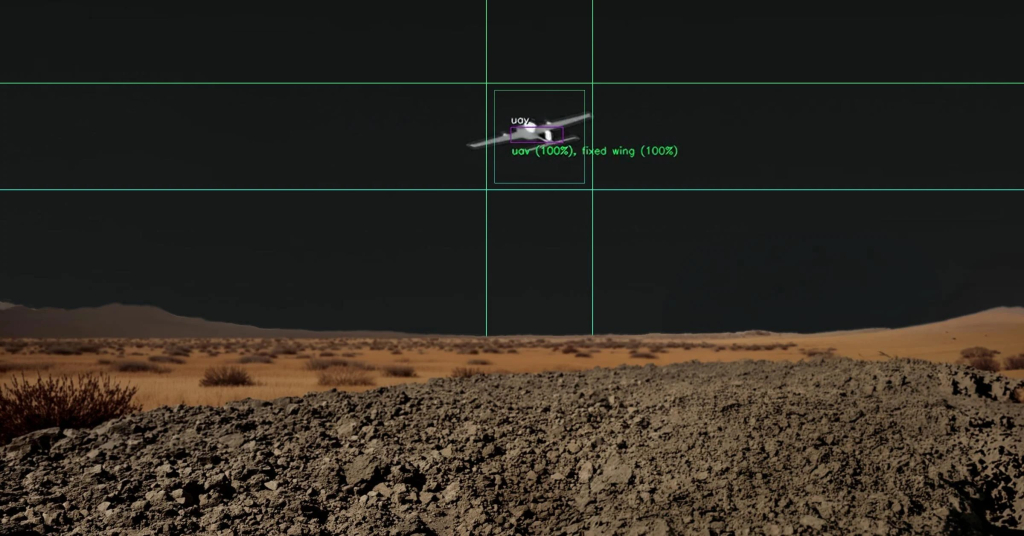
The Prism software is designed to serve as an enhancement layer for existing counter-UAS systems, utilizing thermal imaging and artificial intelligence to extend detection ranges and provide earlier warnings of potential threats.
Focus on Early Detection of Small Drones
Prism C-UAS is engineered to detect drones that may appear extremely small in sensor data, with the capability to identify targets consisting of fewer than four pixels on screen. This feature allows operators additional time to respond before a drone enters a protected area.
The software integrates thermal infrared image processing with AI-driven perception, employing algorithms that enhance signal clarity and contrast to assist sensors in detecting weak or distant targets.
Upon detecting a potential drone, the system relays the data to an AI-based object detector and a multi-object tracker, which facilitate continuous tracking and minimize false alarms.
Jared Faraudo, vice president of product management at Teledyne FLIR OEM, emphasized the significance of software in modern counter-UAS systems, stating, “Software has become a defining performance differentiator in today’s C-UAS environment.”
Designed for Integration Across Systems
Prism C-UAS is not a standalone solution; it is designed to integrate with various sensors and platforms. The software is compatible with Teledyne FLIR OEM’s Boson+ and Neutrino infrared camera families, as well as selected commercial visible cameras for multispectral configurations.
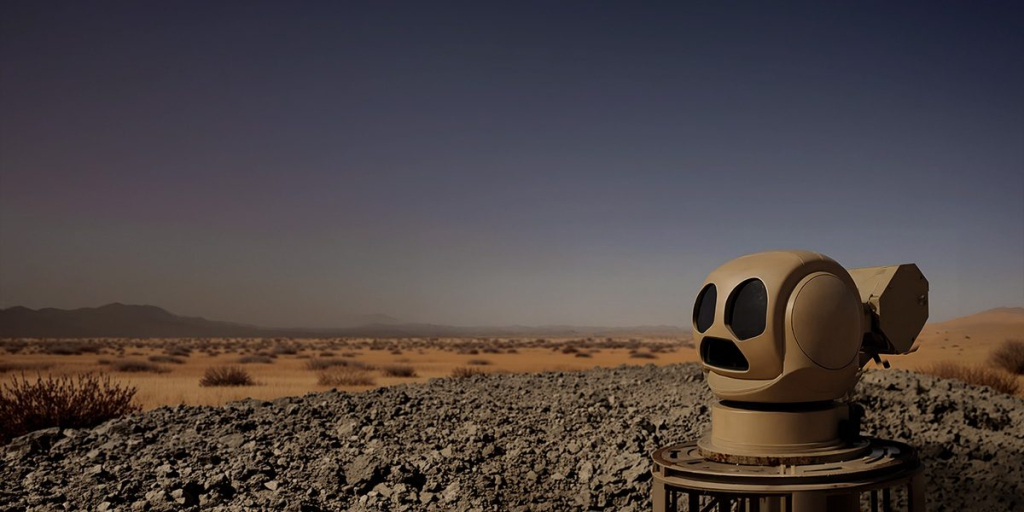
This integration approach enables system integrators to combine thermal and visible data, enhancing detection accuracy and providing reliable tracking across diverse environments. Additionally, the software aims to simplify integration challenges by working with existing hardware, allowing for deployment within various counter-UAS architectures.
Addressing a Growing Security Challenge
The launch of Prism C-UAS comes at a time when drone activity is on the rise in sensitive areas. The Federal Aviation Administration reports over 100 drone incursions each month near U.S. airports, while the Department of Homeland Security noted more than 60,000 drone flights near the U.S.-Mexico border within a six-month period.
These statistics underscore the necessity for earlier detection and quicker responses, as small drones can be challenging to identify at long distances, particularly when they occupy minimal pixels in sensor data. By enhancing detection capabilities, Prism C-UAS aims to extend the decision-making window for operators, potentially allowing for a broader range of response options.
Software as a Differentiator in Counter-UAS
The introduction of Prism C-UAS reflects a significant trend in the counter-UAS market, where many systems utilize similar sensors, including radar, RF detection, and electro-optical cameras. Consequently, software has emerged as a critical area for differentiation.
Teledyne FLIR’s comprehensive counter-UAS portfolio integrates multiple sensor types with analytics to detect, track, and classify airborne threats in real time. Prism builds on this foundation by focusing on the perception layer, processing raw sensor data and converting it into actionable information for operators.
As drone activity continues to grow, advancements that enhance detection range and reduce response times are likely to play an increasingly vital role in airspace security.