
North Arkansas College Joins FAA UAS-CTI Program
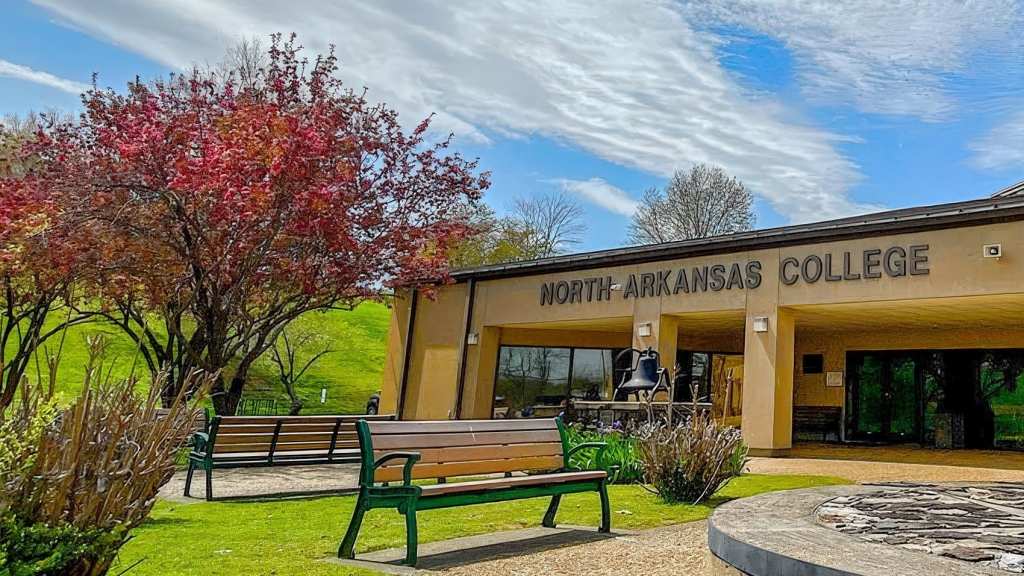 Photo credit: North Arkansas College
Check out the Best Deals on Amazon for DJI Drones today!
A small college in Harrison, Arkansas just stepped onto a national stage.
The Federal Aviation Administration has selected North Arkansas College’s Uncrewed Aerial Systems program for its Unmanned Aircraft Systems Collegiate Training Initiative, known as UAS CTI. The information was released by the North Arkansas College on their website.
That puts Northark inside an elite network of schools trusted to help shape the future drone workforce.
For a regional college, this is more than a press release moment. It is institutional lift.
What the FAA UAS-CTI Actually Does
The FAA’s UAS CTI program recognizes colleges that meet strict academic and operational standards in drone education. To qualify, institutions must offer a degree or certificate track in uncrewed aerial systems and cover the full stack of drone training.
That includes hands on flight practice, maintenance, safety, privacy law, operational use cases, and federal compliance. Not just how to push the sticks, but how to operate inside the National Airspace System without becoming a headline.
 Rick Williams, UAS Instructor
Photo credit: North Arkansas College
Northark is now one of only two Arkansas schools in the program, alongside the University of Arkansas.
Dr. Laura Berry, Director of Institutional Partnerships and Special Initiatives, called the selection “incredibly meaningful,” pointing to deeper collaboration with the FAA and stronger connections to industry, government, and law enforcement. As a pilot herself, she framed it as bringing innovative aviation education directly to Harrison.
Translation: students no longer have to leave town to chase serious drone credentials.
From Hobby Flyers to Data Operators
Northark’s UAS and Data Applications program is not built around cinematic B-roll alone. The focus is broader and more technical.
Students train in flight operations, remote sensing, GIS integration, inspection workflows, environmental monitoring, and FAA compliance.
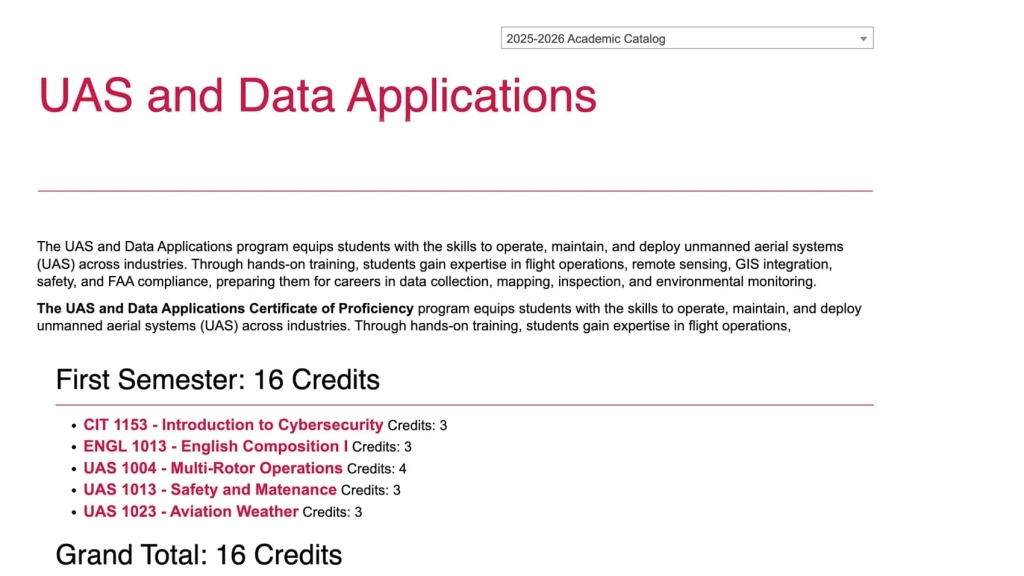 Photo credit: North Arkansas College
That means mapping farmland, inspecting infrastructure, collecting environmental data, and integrating aerial imagery into real world decision making systems.
Program instructor Rick Williams noted that many students are not traditional college freshmen. Some are professionals looking to add drone capabilities to their existing careers. Others are entrepreneurs turning a hobby into a business.
That blend is telling.
The modern drone industry is not just creating new pilots. It is upgrading electricians, farmers, surveyors, real estate professionals, and first responders with airborne data tools. The drone becomes an extension of the job, not a replacement for it.
Why This Matters for the Broader Drone Industry
When the FAA formally recognizes a college program, it creates alignment between education and regulation. That alignment reduces friction for employers and builds confidence that graduates understand safety standards from day one.
In practical terms, it helps professionalize the industry.
Instead of self taught operators navigating regulations through trial and error, programs like Northark’s produce pilots who understand compliance, documentation, and operational risk management. That is the difference between a hobby ecosystem and a mature aviation sector.
And as more states invest in similar programs, the national drone workforce pipeline starts to look less improvised and more engineered.
DroneXL’s Take
This is how the drone industry quietly levels up.
While headlines chase military tech and next gen consumer launches, the FAA is building infrastructure through education. Programs like Northark’s do not generate viral videos, but they create something more durable: trained operators who know how to fly safely, legally, and profitably.
The future of drones in America will not depend only on better hardware. It will depend on better prepared people.
Northark just earned its place in that equation.
Photo credit: North Arkansas College