
Fukushima Startup Bets On Drones To Rebuild A Region
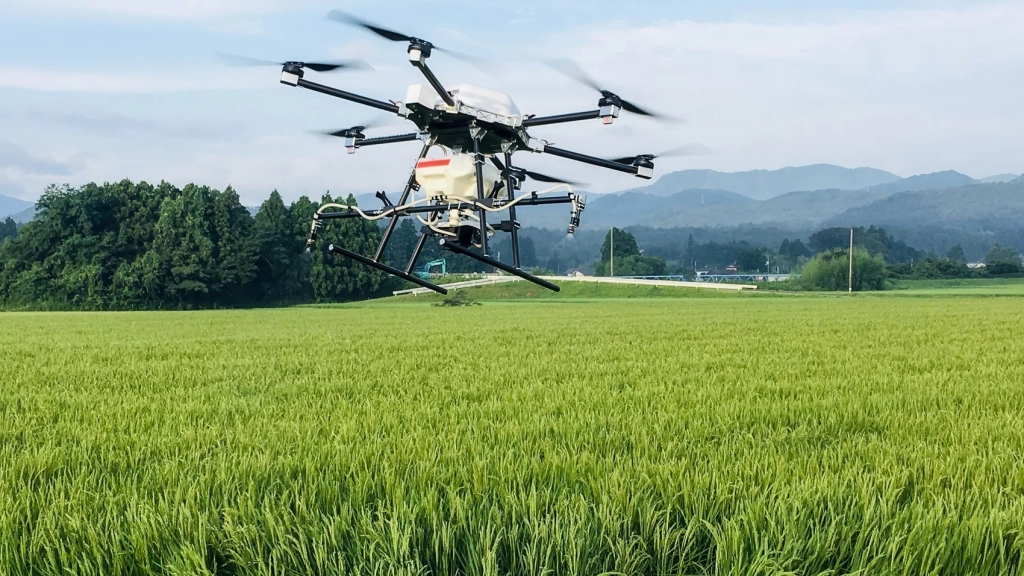 Photo credit: Eames
Check out the Best Deals on Amazon for DJI Drones today!
Out of one of the worst disasters in modern history, a drone company is quietly building something remarkable. This is not a Silicon Valley story. It’s a Fukushima one.
From Nuclear Ashes to Drone Innovation Hub
When the earthquake and tsunami hit northeastern Japan in March 2011, Fukushima didn’t just lose lives and homes. It lost its industrial identity.
What came after is one of the more unexpected recovery stories in recent memory, as The Japan Times reports.
The Fukushima Prefectural Government expanded revitalization subsidies into six technology categories — drones and robotics among them — with a clear goal: turn the prefecture’s tragedy into a launchpad for cutting-edge industry. It worked.
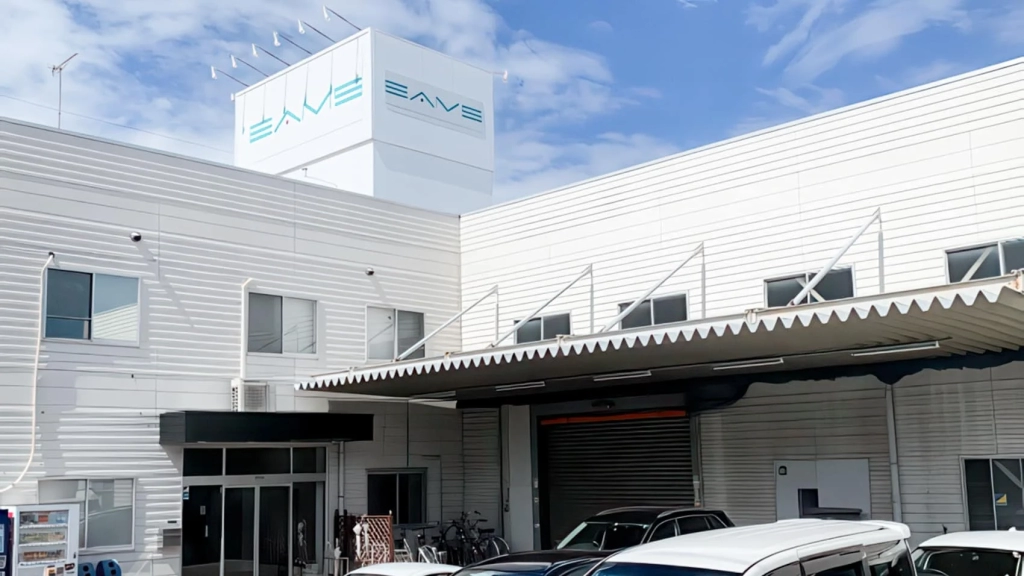 Photo credit: Eams
Fukushima is now considered a mecca for drone companies in Japan, and in June 2024 the central government designated it a national strategic special zone, easing regulations to accelerate drone logistics development.
Eams Robotics is exactly the kind of company that policy was designed to enable.
Founded in Minamisoma in 2016 as an aerial photography services firm, the company pivoted to drone manufacturing in 2018 and hasn’t looked back. It partnered with parcel delivery giant Sagawa Express in 2022 to test deliveries to mountainous areas and remote islands.
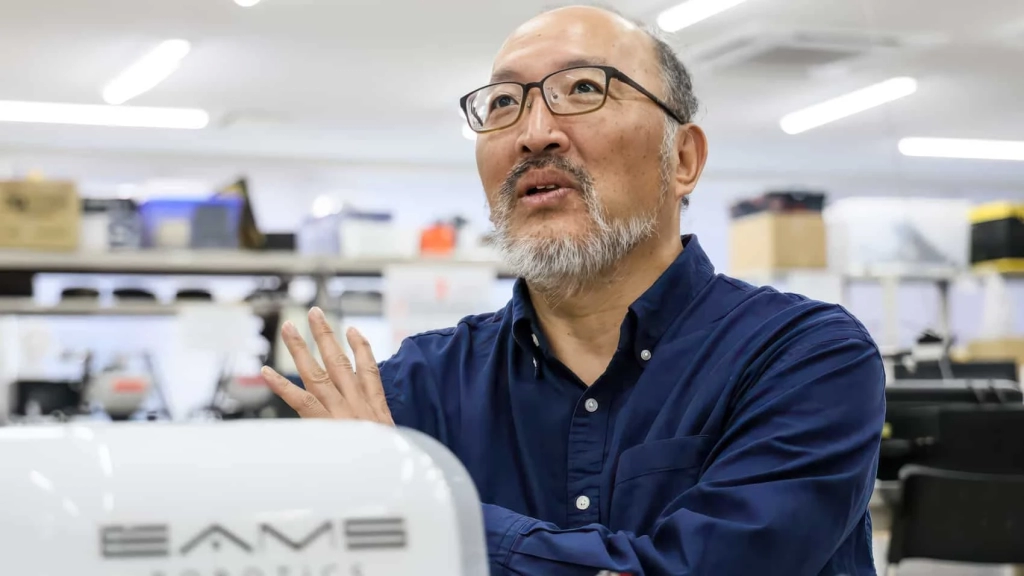 Photo credit: Eams
It worked with the University of Tokyo, AIST, and NTT DoCoMo on AI-powered drone operation technology. And in December 2025, it made history — conducting the first drone flight above a railroad track out of the operator’s sight in an inhabited area in Japan.
That last one is worth sitting with for a moment.
Level 4 and the Railroad Test That Changed Things
Level 4 drone flights — fully autonomous operations over populated areas without a visual observer on the ground — have been the holy grail of drone logistics since the technology existed. Japan legalized them in December 2022. Eams Robotics immediately got to work proving they could be done safely and practically.
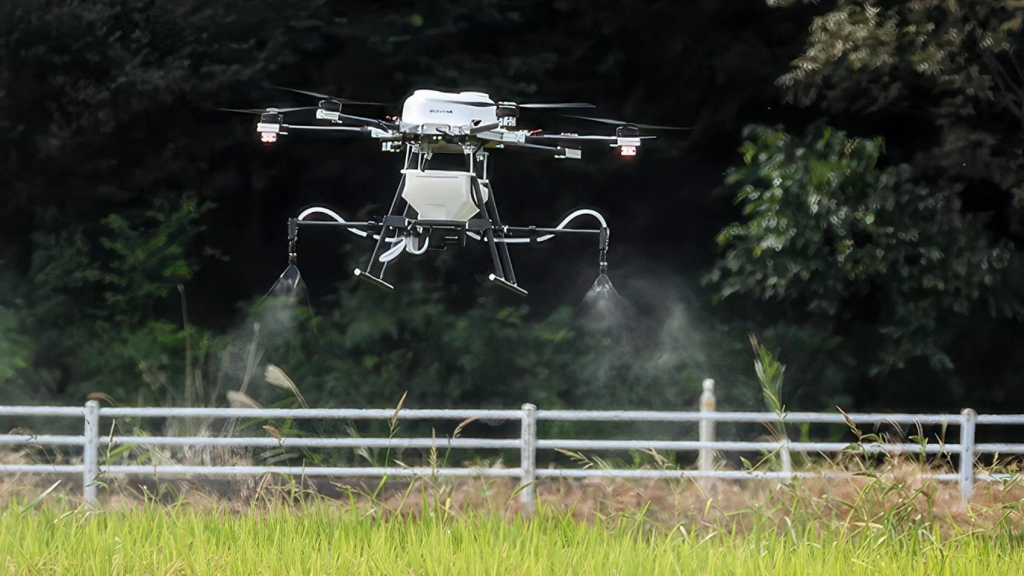 Photo credit: Eames
The December 2025 railroad test tells you where they’ve arrived.
Working with Deloitte Tohmatsu, ACSL, Sagawa Express, and East Japan Railway, Eams flew a drone across the JR Joban Line — over an active railroad track, in an inhabited area, without anyone watching from the ground — across a zone spanning roughly 2.2 miles east to west and 1.5 miles north to south.
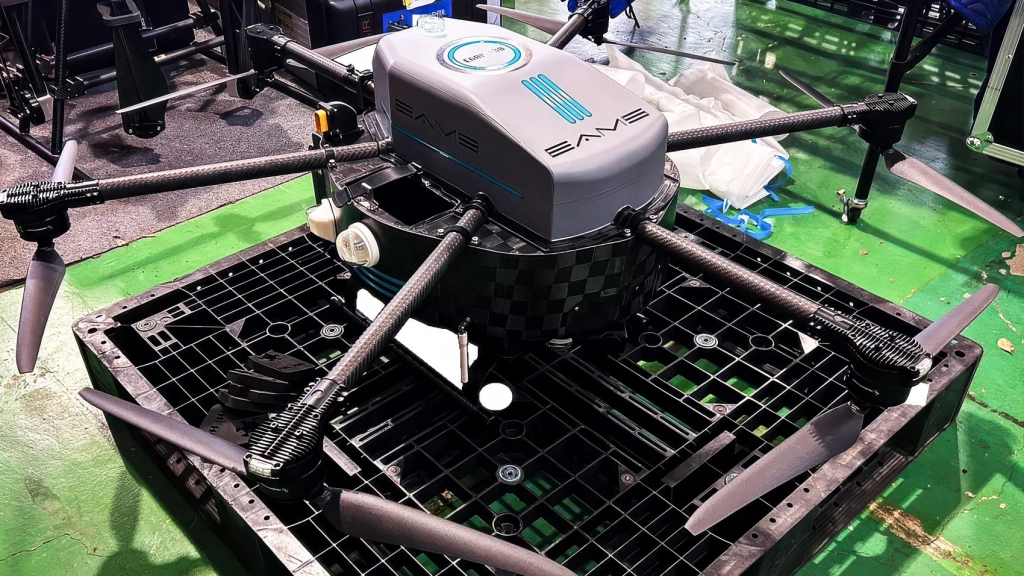 Photo credit: Eames
The drone unloaded a package at one point, collected another package at a separate location, and returned to its starting point. All without incident.
That’s not a demo. That’s a dress rehearsal for commercial operations not only in Fukushima, but all over Japan.
The company is also developing a system that allows a single operator to fly multiple drones simultaneously — reducing costs and scaling capacity without multiplying headcount. One operator, three drones in the air at once. They’ve already tested it. President Eiji Sotani’s target is clear: drone logistics as a standard, everyday reality by fiscal year 2030.
When the Drones Aren’t Delivering Packages, They’re Saving Lives
The January 2024 Noto Peninsula earthquake cut off entire communities. Roads collapsed all over Fukushima. Supplies couldn’t get through. People were isolated for days.
Eams Robotics was there within days, flying damage surveys and delivering relief supplies to areas that ground vehicles simply couldn’t reach. They weren’t alone — multiple Japanese drone companies mobilized under the coordination of the Japan UAS Industrial Development Association in what became the first large-scale, systematic drone disaster relief operation in the country’s history.
For Sotani, that moment crystallized everything the company has been building toward.
Drones in logistics aren’t just about shaving delivery costs or competing with truck drivers. They’re about what happens when the roads are gone, when the bridges are out, when the helicopter can’t land and the boat can’t dock. That’s when a drone network stops being a convenience and becomes the only lifeline available. And all started in Fukushima.
DroneXL’s Take
I love this story. And not just because it’s about drones.
It’s about a place that had everything taken from it and decided to build something new from the rubble. Fukushima nor Minamisoma is not Tokyo. It’s not a tech campus in Palo Alto. It’s a small city in a prefecture that the world mostly remembers for a nuclear disaster. And out of that comes a drone company partnering with the University of Tokyo, flying above railroads, delivering packages to remote islands, and showing up when earthquakes isolate entire communities.
Here’s the honest part — the U.S. drone industry could learn something from this model. Japan didn’t wait for the private sector to figure it out on its own. The government created strategic zones, eased regulations deliberately, and built a framework that let startups like Eams actually run advanced tests without spending years fighting bureaucracy.
That’s not socialism. That’s smart industrial policy.
By 2030, Sotani wants drone logistics to be commonplace in Japan. Watching what Eams has already pulled off — Level 4 flights, railroad crossings, disaster relief, multi-drone operations from a single controller — that deadline doesn’t sound crazy at all.
It sounds inevitable. And all started by a giant catastrophe in Fukushima.
Photo credit: Eams