
FCC Chair Brendan Carr Takes Victory Lap At CES: The Stage Where DJI Built America’s Drone Culture
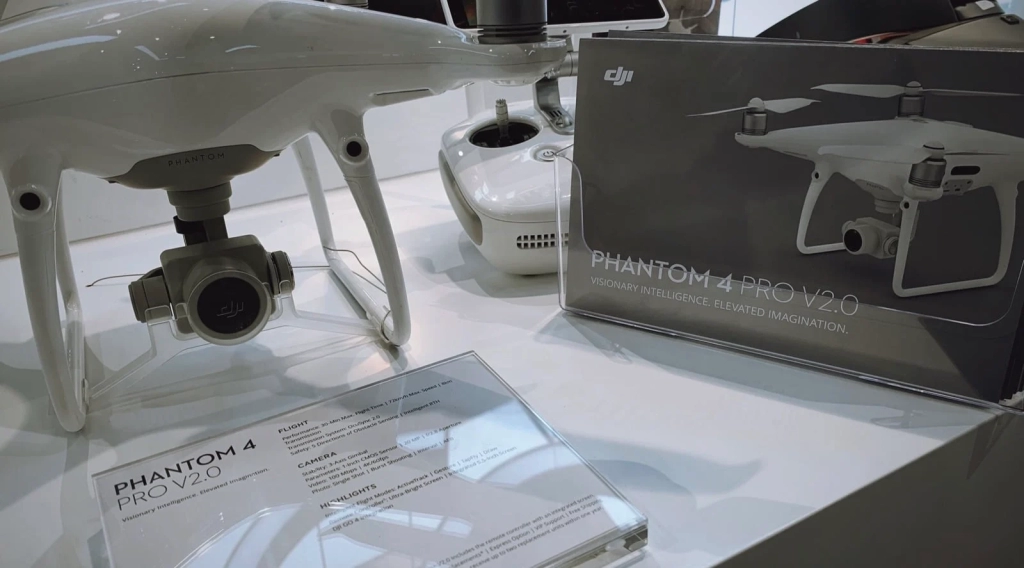 DJI proudly displayed the DJI Phantom 4 Pro V2.0 at CES 2020 in Las Vegas. Photo credit: DroneXL
Amazon Drone Deals: DJI Mini 5 Pro Fly More Combo with DJI RC2 now for $1,099!
Two weeks ago, FCC Chairman Brendan Carr signed the order that effectively killed DJI’s future in America. On Thursday, he’ll take the stage at CES 2026, the very show where DJI spent a decade building its brand, for a “fireside chat” that’s been carefully designed to avoid the questions drone pilots actually need answered, reports Mashable.
The irony is thick enough to cut with a propeller.
- What: “Fireside Chat” with FCC Chair Brendan Carr and FTC Chair Andrew Ferguson
- When: Thursday, January 8, 2026 at 11:00 AM PT
- Where: CES 2026, Las Vegas
- Interviewer: Gary Shapiro, CEO of the Consumer Technology Association (CTA)
- Why it matters: First major public forum for Carr since the December 22 foreign drone ban
The official session description is deliberately vague: “candid conversations on how their agencies are navigating the rapidly changing tech landscape.” No mention of drones. No mention of DJI. No mention of the fact that Carr just banned the products that dominated consumer drone sales for over a decade.
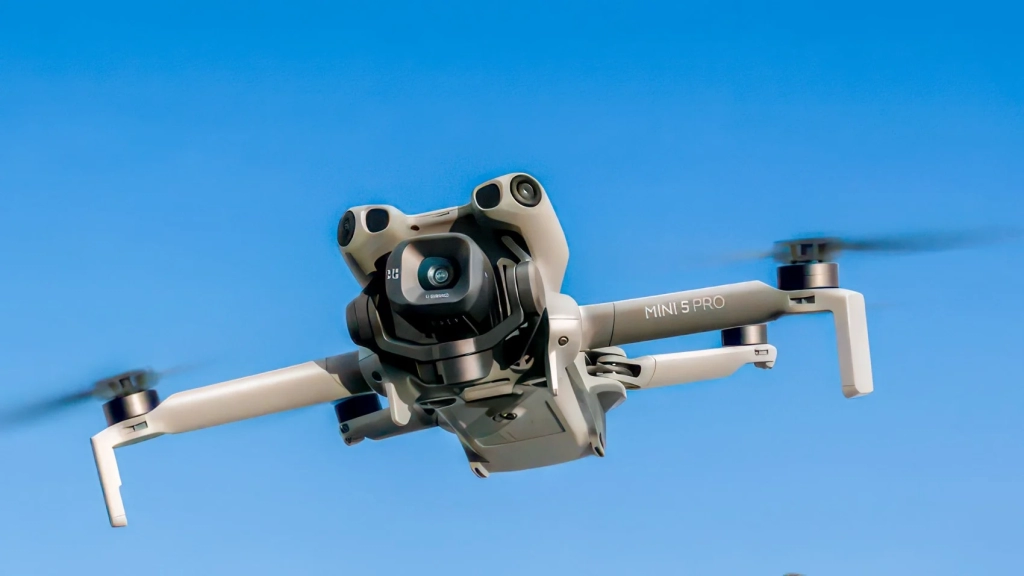 Photo credit: DJI
The Stage Where DJI Built America’s Drone Culture
For those who don’t remember, CES was DJI’s American coming-out party. In 2015, DJI unveiled four new products at the Las Vegas show. In 2017, they introduced the Osmo Mobile and new Phantom accessories. By 2019, DJI was showcasing the Mavic 2 controller to packed crowds. In 2020, their booth featured a flight cage demoing the latest drones to thousands of attendees.
CES is where American consumers first fell in love with DJI. It’s where tech journalists wrote breathless reviews. It’s where the company that now controls over 70% of the global consumer drone market established its dominance in the minds of American buyers.
Now the man who just banned DJI from selling new products in the United States will take that same stage. Not to answer questions. Not to face accountability. To have a “candid conversation” about “navigating the rapidly changing tech landscape.”
The Interviewer’s Conflict of Interest
Gary Shapiro runs CTA, the organization that produces CES. His organization already banned DJI from exhibiting starting in 2024 because the company is on the Commerce Department’s Entity List. Now he’s interviewing the regulator who just banned their future products from sale.
Think about that conflict. Shapiro’s organization banned DJI from having a booth. Now he gets to ask questions of the official who made sure DJI can never launch new products in America again. The question is whether this “fireside chat” will be a genuine policy discussion or a comfortable exchange that avoids the uncomfortable realities drone pilots are facing.
CTA represents consumer electronics companies. Many of its members sold DJI products. Many still have inventory. The association has been conspicuously quiet about how the ban affects retailers and consumers. Thursday is Shapiro’s chance to actually represent those interests. Will he take it?
“Unleash American Drone Dominance”
If you want to understand what the DJI ban is really about, forget the national security talking points. Listen to Carr’s own words from December 22:
“President Trump has been clear that his Administration will act to secure our airspace and unleash American drone dominance.”
That’s not security language. That’s industrial policy language. “Unleash American drone dominance” is an admission that this ban isn’t about protecting Americans from Chinese surveillance. It’s about clearing the field for domestic manufacturers who can’t compete on price, features, or reliability.
The problem? Those domestic alternatives don’t exist at consumer price points. The Blue UAS approved drones cost three to five times more than DJI equivalents and deliver a fraction of the capability. Skydio, the company that lobbied hardest against DJI, doesn’t even make agricultural drones, recreational drones, or most of the products that made DJI essential to American pilots.
“Unleashing dominance” requires having something to unleash. Right now, America has a ban and a promise.
The Questions That Won’t Be Asked
Since the FCC added foreign-made drones to the Covered List on December 22, we’ve been tracking the unanswered questions that matter most to Part 107 operators. Carr hasn’t addressed any of them publicly. The CES event description promises “candid conversations” but there’s no mention of a Q&A session.
Here’s what we’d ask if given the chance:
| Question | Why It Matters |
|---|---|
| Will existing DJI drones be allowed to receive firmware updates? | Millions of pilots depend on updates for safety and functionality |
| What happens to warranty service and replacement parts? | The component ban could affect repairs for drones already owned |
| What is the actual process for requesting a DoD/DHS exemption? | Part 107 operators need to know their equipment path forward |
| Will the FCC exercise its retroactive revocation authority? | The FCC granted itself power to ban drones already in use |
| Why was DJI banned by default instead of after the audit they requested? | DJI asked for security audits in March, June, and December 2025. No agency responded. |
| What’s the timeline for “American drone dominance” to produce affordable alternatives? | Pilots need equipment now, not promises for later |
Don’t expect any of these to come up in a “fireside chat” with no Q&A format.
DJI Agreed to Audits. It Wasn’t Enough.
Section 1709 of the FY25 NDAA gave the government a full year to conduct a security audit of DJI products. DJI didn’t just agree to participate. They begged for it. They sent letters in March, June, and December 2025 asking federal agencies to examine their products. The response was silence. No agency started the review. No evidence was gathered. No findings were made.
DJI got banned because a bureaucratic clock ran out, not because anyone proved they’re dangerous. As DJI stated in response to the ban, “no information has been released regarding what information was used by the Executive Branch in reaching its determination.” The company called the action “not grounded in evidence.”
Congress designed Section 1709 with two trap doors: they didn’t designate which agency should conduct the audit, and they made the ban automatic if no audit occurred. The outcome was predetermined. The process was theater.
Now the architect of that theater gets a victory lap at CES.
What the Ban Actually Did
For readers still unclear on what happened December 22: the FCC didn’t just ban DJI. They banned all foreign-made drones and critical components. Every single one. Autel and every other foreign manufacturer are included.
The component ban is broader than most reporting suggests. Foreign batteries, motors, flight controllers, navigation systems, sensors, cameras, and ground control stations are all covered. Even American-branded drones using foreign components could be affected.
Existing drones with FCC authorization remain legal to sell and fly. Your current DJI fleet isn’t grounded. But the FCC granted itself retroactive revocation authority in October. That power hasn’t been exercised yet.
The stated justification includes event security for the 2026 World Cup and 2028 Olympics. The irony: criminals and terrorists don’t apply for FCC authorization.
The exemption pathway puts all the power in DoD and DHS hands. Translation: Pete Hegseth and Kristi Noem now decide which drones Americans can buy. No audit required. No oversight. No accountability.
The CES Context
CES 2026 runs January 6-9 in Las Vegas with over 4,000 exhibitors expected. Drones will be on display, including entries like the Antigravity A1, which won a CES 2026 Innovation Award. But the elephant in the room is the absence of the company that owned this category for a decade.
The broader government presence at CES 2026 is significant. Presidential Science and Technology Advisor Michael Kratsios, Senator Jacky Rosen, Deputy Secretary of Health and Human Services Jim O’Neill, and Under Secretary of State for Economic Affairs Jacob Helberg are all scheduled to appear. Over 175 government officials will participate in the Leaders in Technology Program.
This administration is using CES as a policy platform. The question is whether that platform includes any accountability for decisions that affect millions of American drone operators.
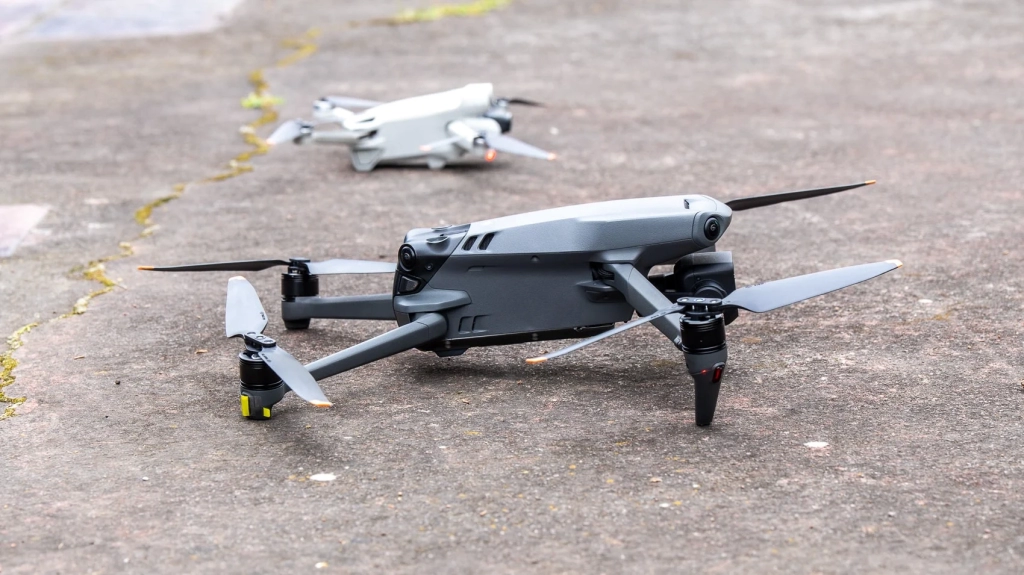 Photo credit: Suarez Media
DroneXL’s Take
Brendan Carr speaking at CES isn’t news. It’s a victory lap.
The man who just eliminated the world’s leading drone manufacturer from the American market will stand on the stage where that company built its brand, in front of an audience that includes the journalists who covered DJI’s rise, and he’ll do it in a format specifically designed to avoid accountability. No Q&A. No hard questions. Just “candid conversations” about “navigating the rapidly changing tech landscape.”
Here’s my prediction: Carr will frame the entire discussion around “American drone dominance” and “securing our airspace.” He’ll talk about the exemption pathway as if it’s a generous concession rather than an undefined bureaucratic black hole. He won’t explain why no agency conducted the security audit. He won’t address the parts and batteries question. And he definitely won’t acknowledge that this policy was driven by lobbyists for domestic drone manufacturers who can’t compete on price or features.
Here’s what’s actually changing while Carr takes his victory lap: American drone pilots are losing access to the best equipment on the market. American farmers are losing precision agriculture tools with no domestic replacement. Over 87% of public safety drones in America are DJI, meaning fire departments, search-and-rescue teams, and police departments now face equipment uncertainty that could cost lives. And American consumers are losing the products that made recreational drone flying accessible.
That’s the tech landscape Carr is “navigating.” I’d love to be wrong about Thursday. The drone community deserves answers. We’ll be watching to see if they get any.
Are you attending CES 2026? Planning to watch the FCC session? What questions would you ask Carr if you had the chance? Let us know in the comments below.