
U.S. Army Trains Infantry Units With Bomber Drones
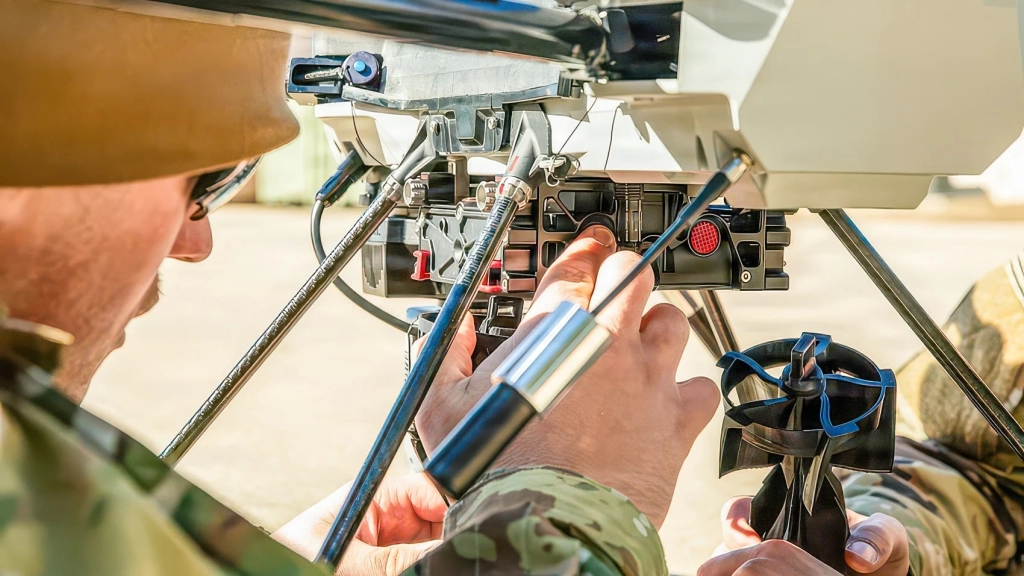 Photo credit: Rebeca Soria / United States Army
Check out the Best Deals on Amazon for DJI Drones today!
The U.S. Army is quietly but clearly signaling where modern infantry combat is heading. During a recent Spartan Focus Table VI exercise, soldiers from the 2nd Armored Brigade Combat Team, 3rd Infantry Division trained with bomber style drones, integrating low cost unmanned systems directly into infantry fire support roles, as reported by Defence Blog.
The training used a C100 Medium Range Reconnaissance unmanned aerial system, configured in a bomber role and flown by operators from the Multi Function Reconnaissance Troop, 6th Squadron, 8th Cavalry Regiment.
While the payloads were 3D printed training rounds, the implications of this exercise stretch far beyond simulation.
Infantry Fire Support Goes Aerial
For decades, infantry fire support meant mortars, artillery, attack aviation, or calling in fixed wing aircraft.
Drone bomber training changes that equation. Instead of waiting for higher echelon assets, infantry units can now rely on organic aerial fire support that is fast, flexible, and relatively cheap.
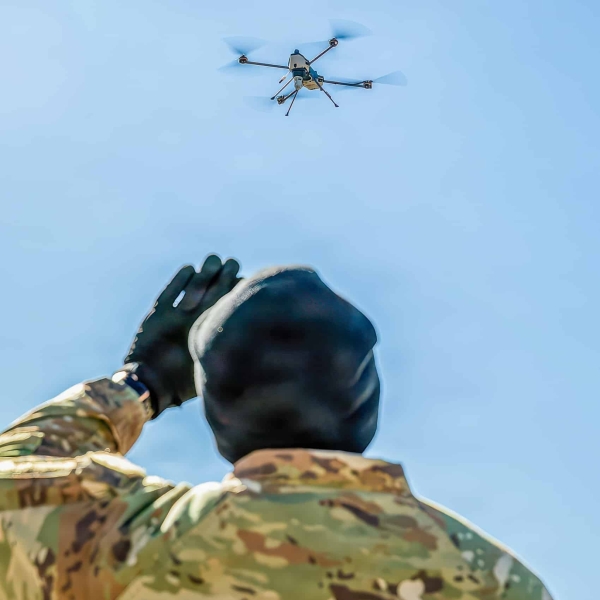 Photo credit: Rebeca Soria / United States Army
During the exercise, operators practiced coordinating with maneuvering infantry elements, identifying targets from the air, and executing release procedures in scenarios designed to reflect current battlefield realities.
The goal was not just technical proficiency, but tactical fluency. Soldiers needed to learn how unmanned bomber drones fit into the rhythm of ground combat without slowing operations or creating confusion.
The C100 drone’s role in this training highlights a broader shift in Army thinking. Originally designed for medium range reconnaissance, the platform can carry small payloads, allowing it to double as a strike asset when required.
That dual use capability is becoming increasingly valuable as commanders look for systems that can adapt on the fly rather than serve a single purpose.
Lessons Written In Ukraine’s Airspace
This training does not exist in a vacuum. The war in Ukraine has reshaped how militaries think about drones at every level. By 2025, quadcopter bomber drones had become one of the most effective forms of direct fire support on the battlefield.
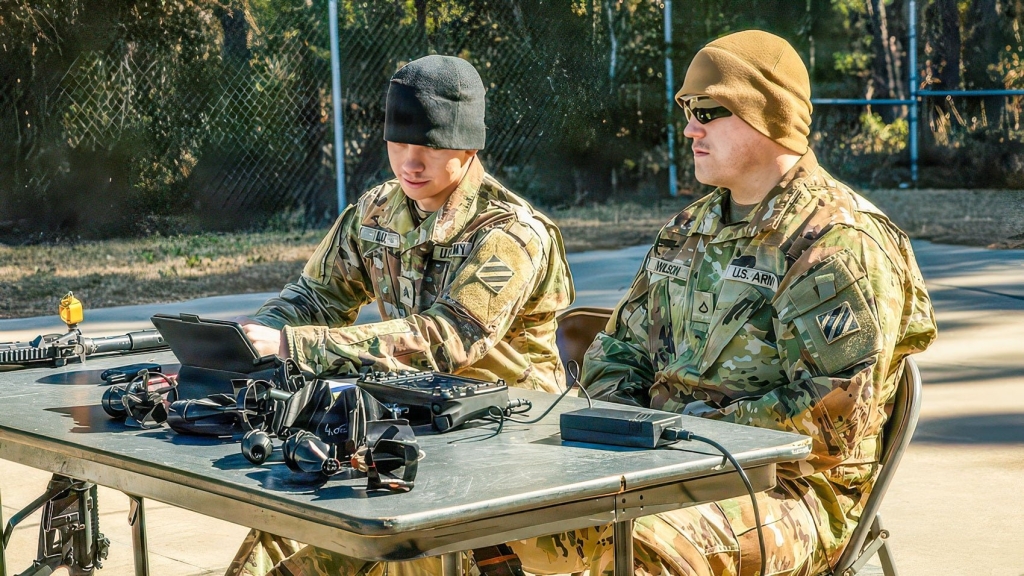 Photo credit: Rebeca Soria / United States Army
Ukrainian forces demonstrated that inexpensive, rapidly replaceable drones could deliver persistent effects against infantry, vehicles, and logistics hubs. According to reporting from Militarniy, VAMPIRE class quadcopter bombers alone flew more than 2.5 million combat missions. Those numbers tell a story that traditional procurement cycles cannot ignore.
What makes these systems so disruptive is not raw firepower, but availability and adaptability. A drone that costs a fraction of a missile can loiter, observe, and strike with precision, often in environments saturated with electronic warfare and air defenses. Losing one is inconvenient, not catastrophic.
The U.S. Army’s use of 3D printed training munitions mirrors this mindset. It emphasizes iteration, learning, and volume rather than perfection. The focus is on tactics and coordination first, hardware second.
The C100 As A Battlefield Multiplier
The C100 Medium Range Reconnaissance drone used during Spartan Focus is not a headline grabbing weapon system, but that is precisely the point. It represents a class of platforms that can be fielded widely, modified locally, and adapted quickly as battlefield conditions change.
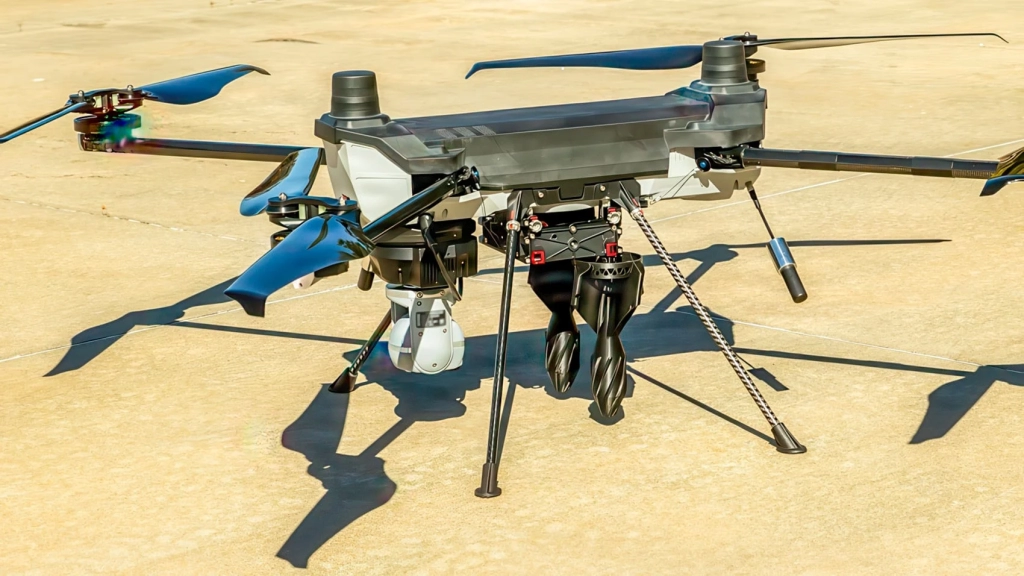 Photo credit: Rebeca Soria / United States Army
By using the drone in bomber style missions, units refined techniques for integrating unmanned systems into combined arms operations. Commanders gained experience observing enemy positions from above while maintaining the option to strike without exposing soldiers to direct fire.
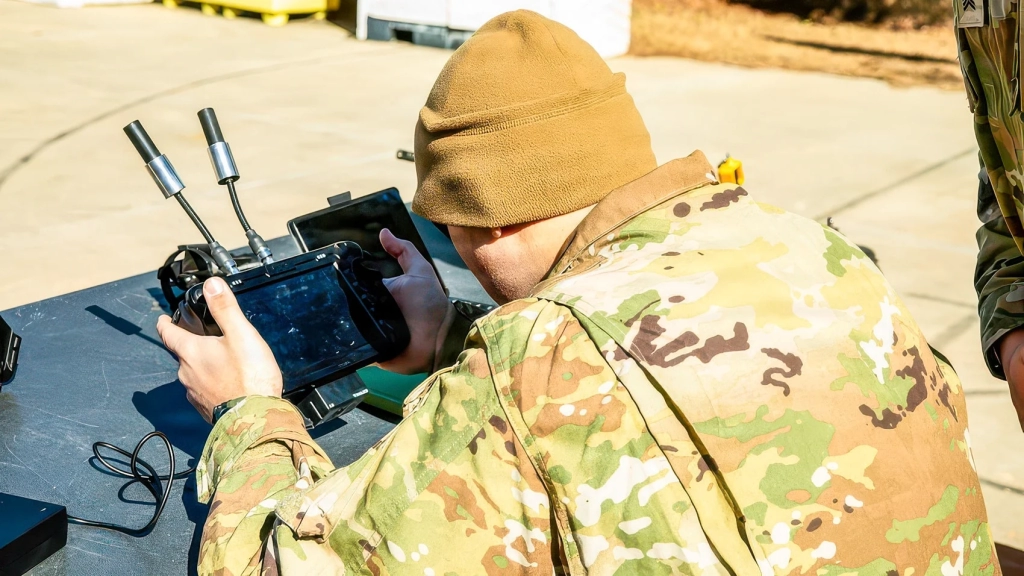 Photo credit: Rebeca Soria / United States Army
This kind of training also builds trust. Infantry leaders need confidence that drone operators understand ground maneuver timelines, danger close considerations, and rules of engagement.
Likewise, drone teams must understand the realities faced by soldiers on the ground. Exercises like Spartan Focus help bridge that gap.
More importantly, they normalize the idea that bomber drones are not exotic tools reserved for special units, but standard assets that belong alongside rifles, radios, and armored vehicles.
DroneXL’s Take
This training marks another step toward the inevitable. Bomber drones are no longer an improvisation seen only in Ukraine or conflict zones far from NATO doctrine. They are becoming institutional knowledge inside the U.S. Army.
The real shift is not technological, but cultural. Infantry units are learning to think vertically, to see the airspace just above the battlefield as their own domain. As low cost unmanned systems continue to mature, expect bomber drones to move from experimental training lanes into standard infantry playbooks faster than many observers expect.