
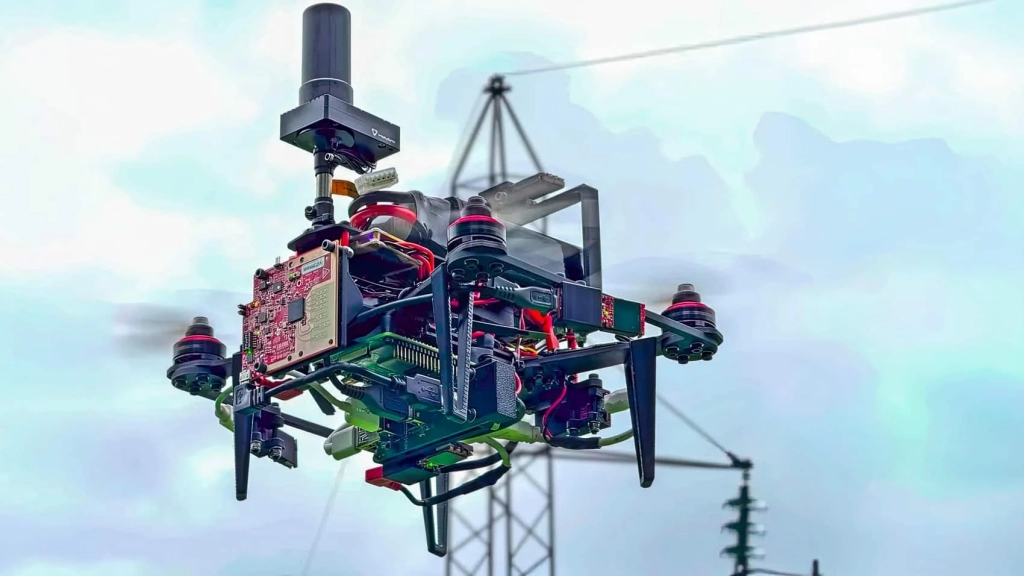
 Photo credit: Nicolaj Haarhøj Malle, Emad Ebeid
Check out the Best Deals on Amazon for DJI Drones today!
If drones had a natural predator, it would not be birds, trees, or firmware updates. It would be wires.
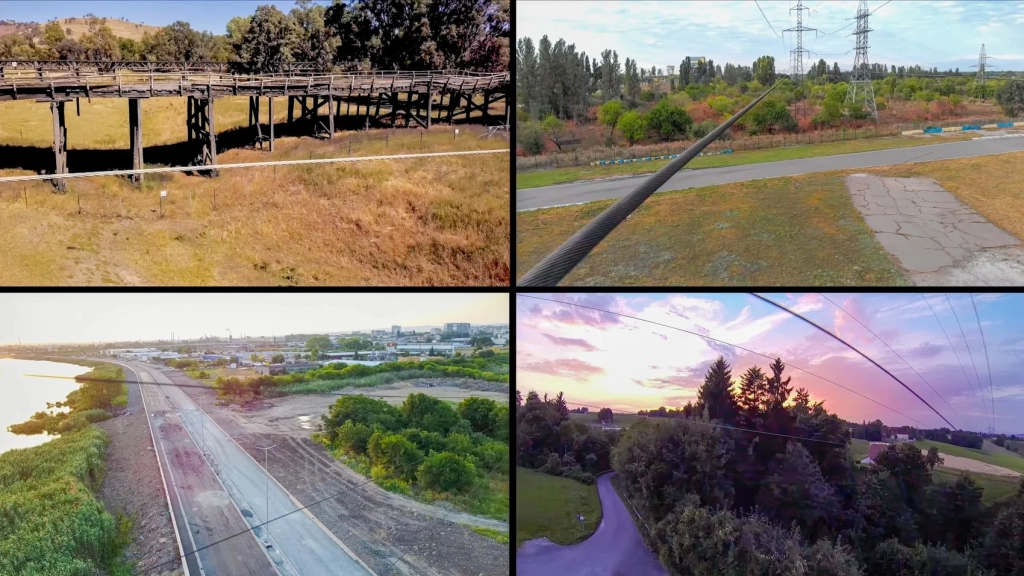 What is that?
Photo credit: Nicolaj Haarhøj Malle, Emad Ebeid
Power lines, telephone cables, steel guy wires, clotheslines, fences, and that one mystery cable that only exists to ruin your flight. Thin, hard to see, and perfectly placed where drones love to fly.
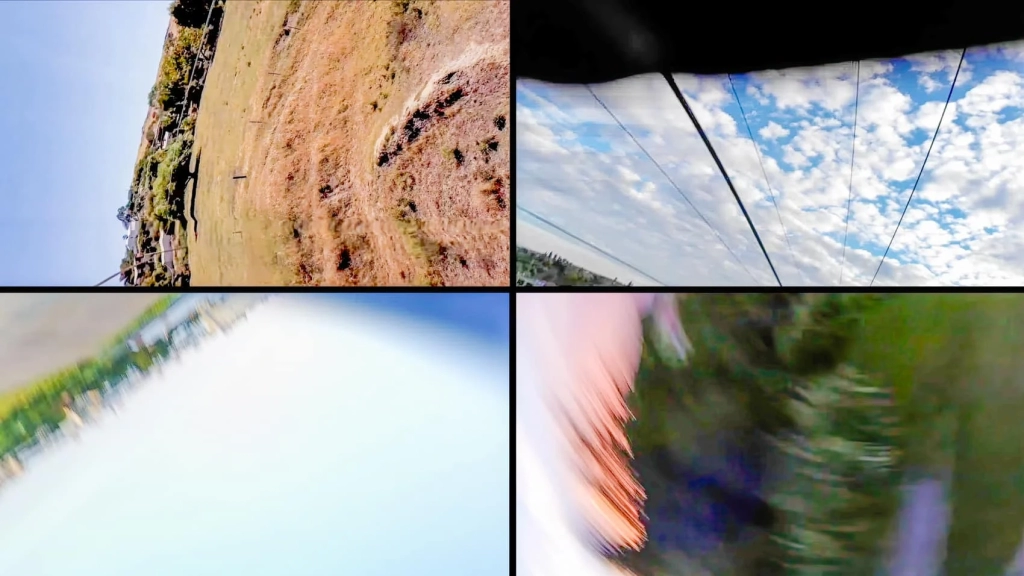 AHHHHHHHHHH!
Photo credit: Nicolaj Haarhøj Malle, Emad Ebeid
I know this because I have almost crashed my drone more times than I care to admit because of wires. And once, not almost. I actually did it. I flew a Mavic Air 2S straight into a wire. No warning, no drama, just a sudden stop and a very quiet (and expensive) moment of regret.
So when I saw an interesting post on Reddit about drones finally getting better at avoiding wires, I stopped scrolling.
The post came from a Redditor called Skraldespande, and the idea is simple, clever, and honestly long overdue.
A Reddit Find With Serious Potential
Skraldespande shared his research project that tackles the wire problem without relying on cameras or AI guessing what might be in front of the drone.
Instead, the drone uses six millimeter wave radar sensors, placed around the airframe so it can sense power lines from almost any direction. Front, back, sides, above, and below. No blind spots where a wire can sneak in sideways while you are focused on framing the shot.
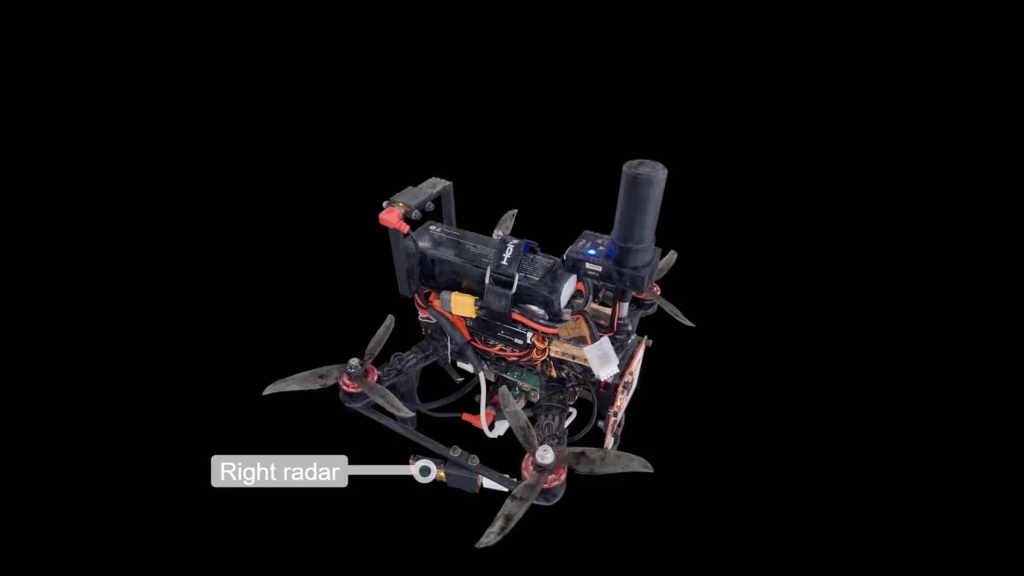
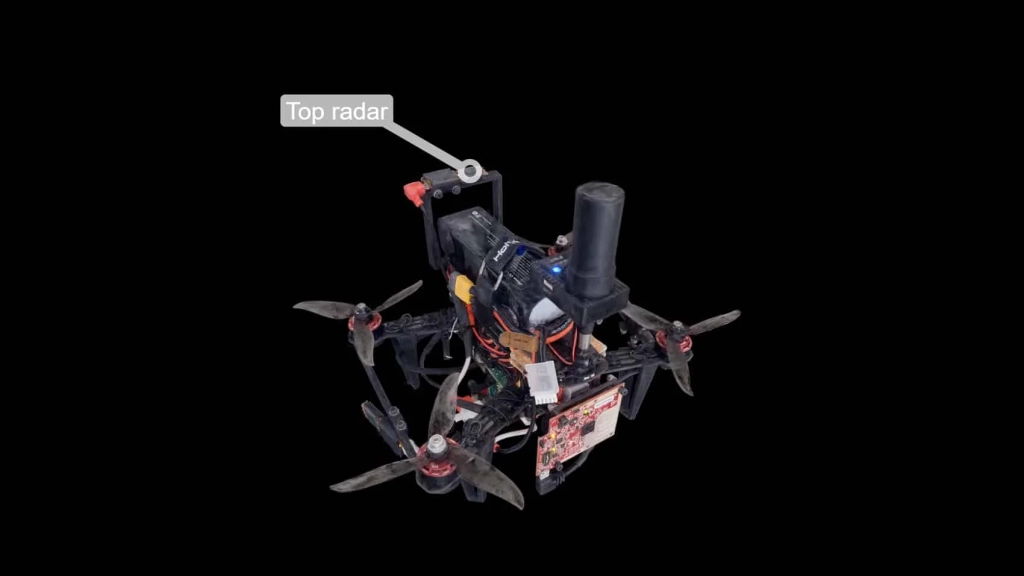
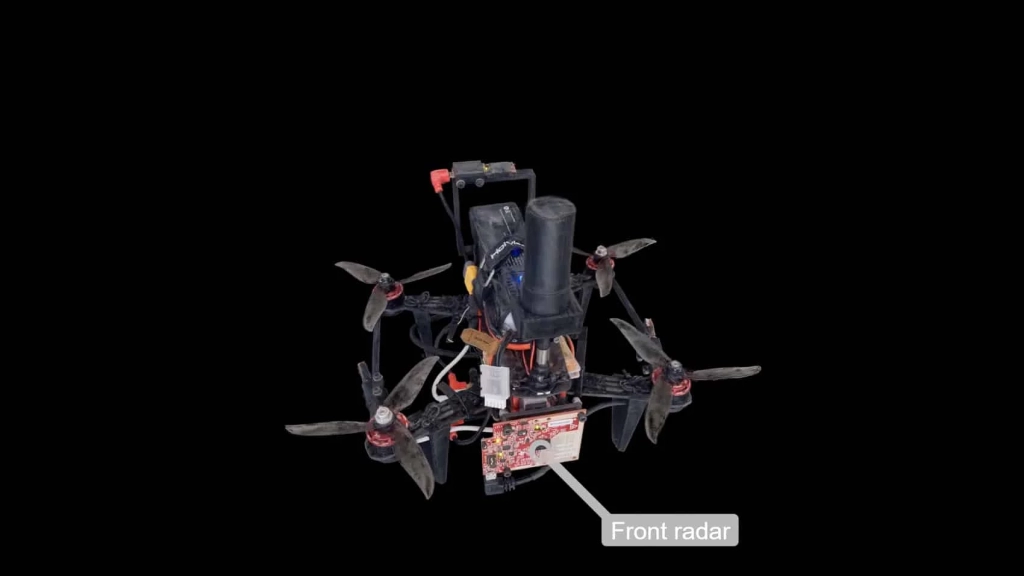
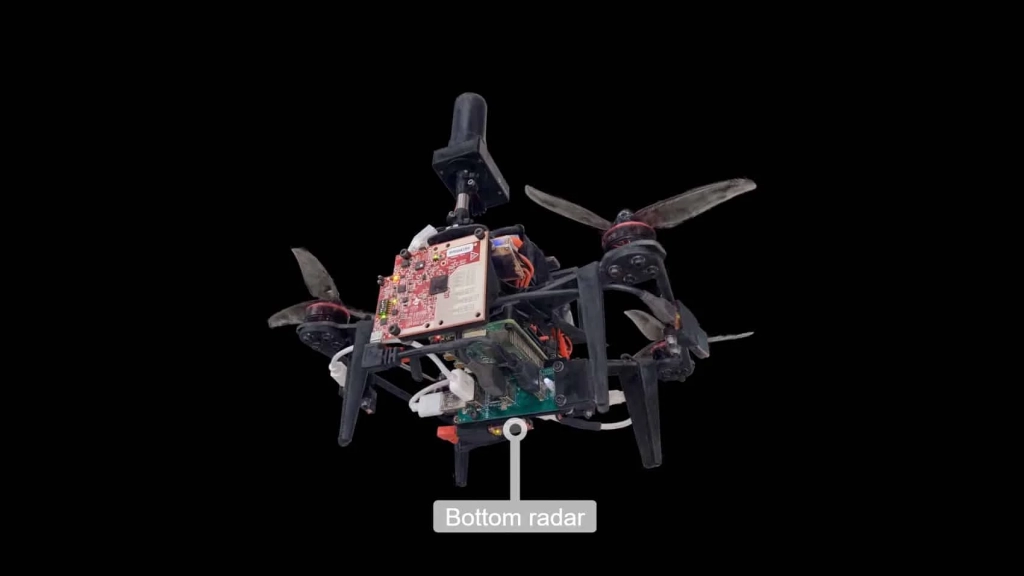
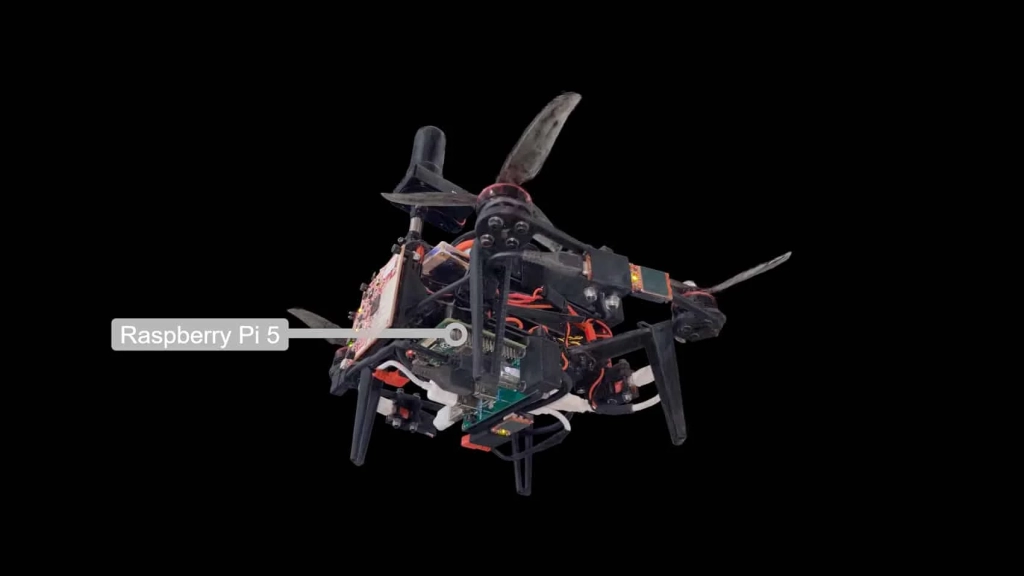
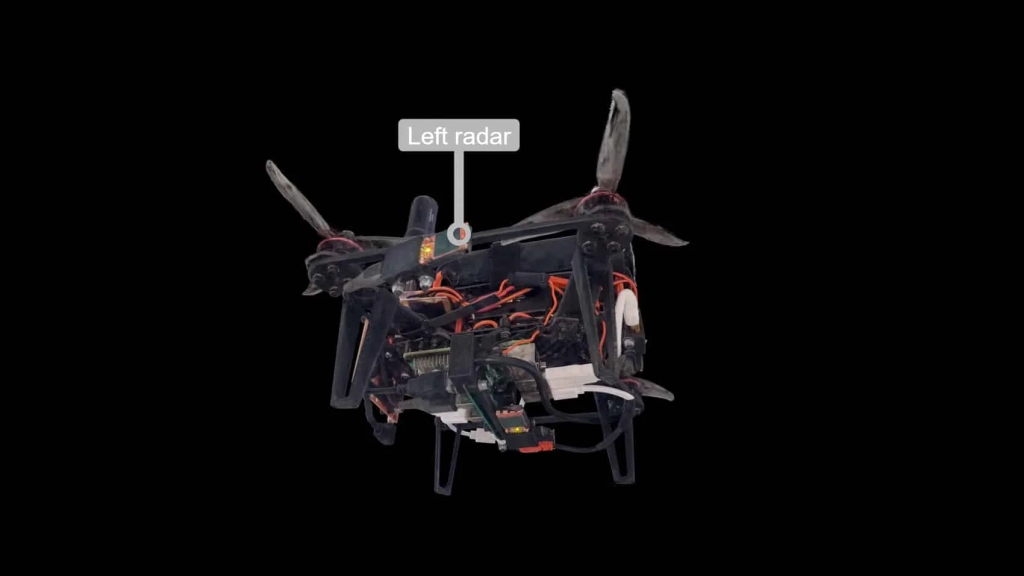
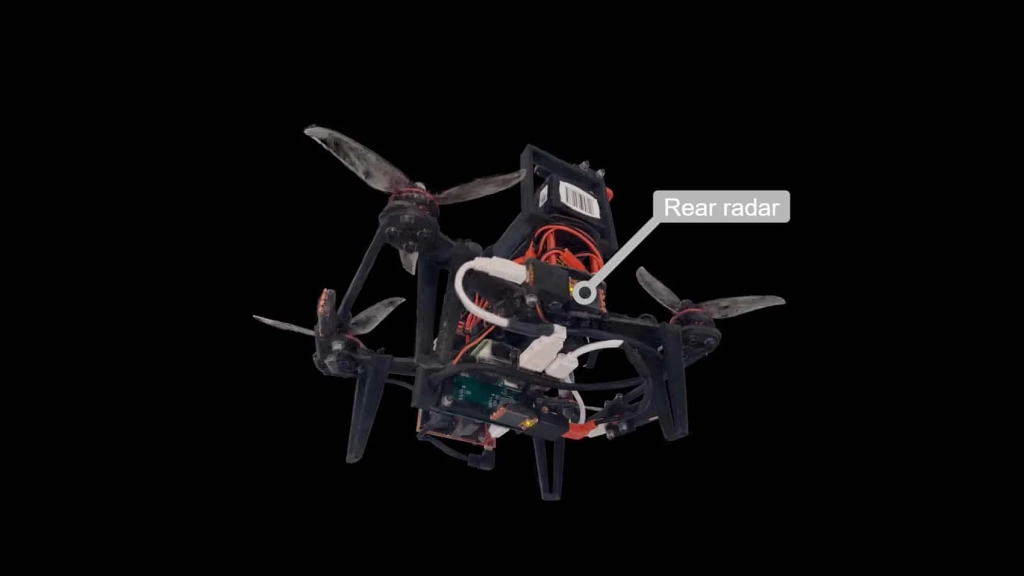
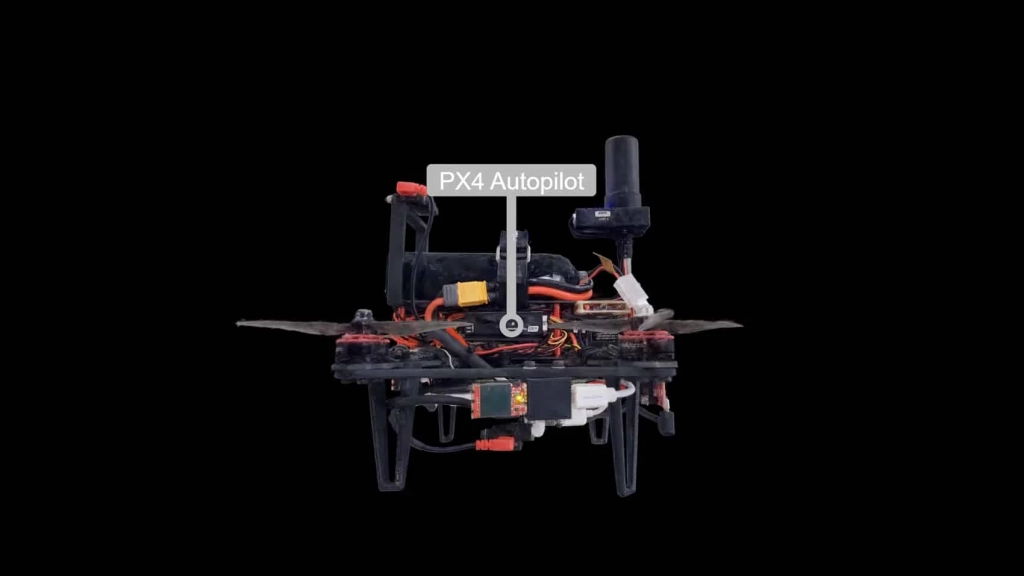
All six radars are connected to a Raspberry Pi, which processes the data in real time using ROS2 middleware. The drone itself runs the PX4 flight stack, and the clever part is how the system reacts once a wire is detected.
Rather than fighting the pilot or slamming on the brakes constantly, the system gently modifies the drone’s desired velocity. Whether the command comes from a human pilot or an autonomous mission, the drone subtly adjusts its path to guide itself around the power line.
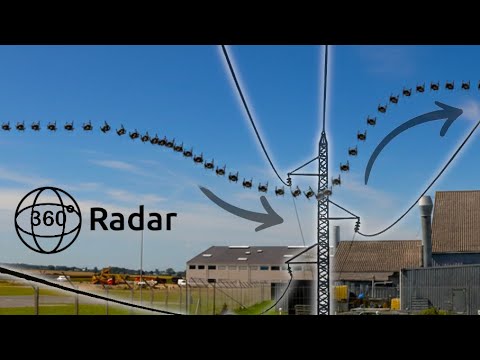
Everything runs live on the Raspberry Pi. No cloud processing. No post flight analysis. Just real time survival instincts.
This is not a random experiment either. The work has been accepted for publication at the 2026 IEEE International Conference on Robotics and Automation (ICRA), which gives it serious academic and technical weight.
Why Radar Beats Cameras When It Comes to Wires
Most consumer drones rely on cameras for obstacle avoidance, and cameras are simply not built for wires. Wires are thin, featureless, and often blend perfectly into the background.
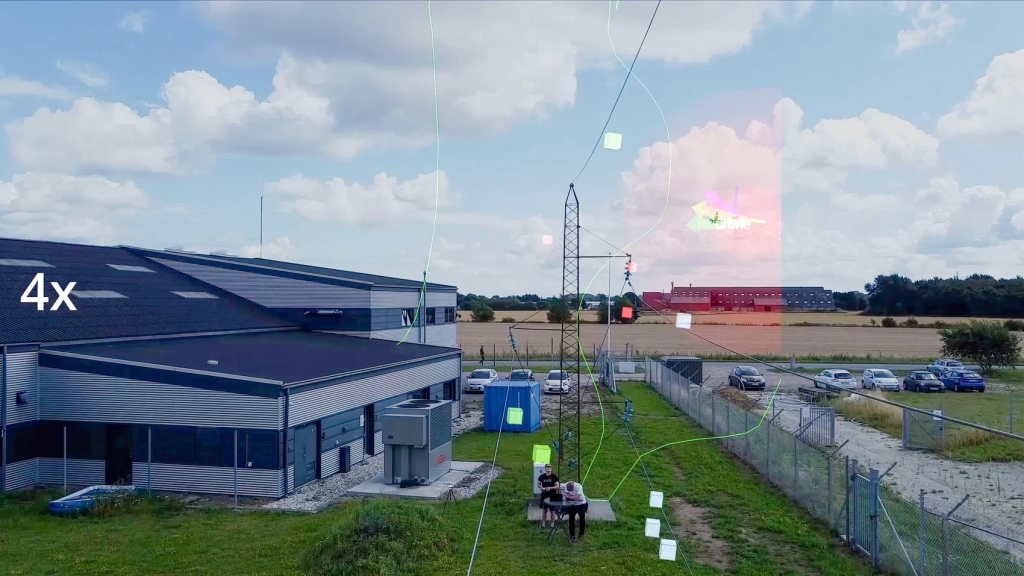 Photo credit: Nicolaj Haarhøj Malle, Emad Ebeid
Add distance, glare, low light, motion blur, or video compression, and a wire becomes invisible until it is too late. By the time you notice it on screen, you are already negotiating with gravity.
Radar does not care about lighting or color. It sends out radio waves and listens for reflections. If something is there, even a wire just over one millimeter thick, radar notices.
In testing, this system detected power lines from more than ten meters away and even picked up a steel wire just 1.2 millimeters thick. That is thinner than many cables that have taken down expensive drones, including mine.
Why This Matters for Real Pilots
Every pilot has thought this at least once: “There are no obstacles here.”
That sentence has probably destroyed more drones than bad batteries.
Wires run along roads, fields, rooftops, rivers, industrial sites, and rural areas. They hide behind visual clutter and line up perfectly with the horizon. They disappear when approached head on.
I have nearly clipped wires while flying sideways, while descending, while backing up, and while focusing on composition instead of survival. The Air 2S crash happened during a calm, controlled flight where everything felt fine until it absolutely was not.
A system like this does not replace good piloting. It does not make drones indestructible. But it adds something cameras never will: early, reliable awareness of thin danger.
DroneXL’s Take
Finding this on Reddit thanks to Skraldespande is a reminder that some of the most interesting drone ideas still surface outside press releases and marketing decks. The fact that this work has been accepted for publication at ICRA 2026 shows it is not just clever, but credible.
A drone that uses six mmWave radars, a Raspberry Pi, ROS2, and PX4 to gently steer itself away from power lines feels less like overengineering and more like overdue evolution: I need one.
Wires remain the most unfair obstacle in the sky, and as someone who has almost crashed too many times and lost a Mavic Air 2S to one, any technology that spots cables before pilots do deserves serious attention.
Photo credit: Nicolaj Haarhøj Malle, Emad Ebeid