
St. Cloud DFR’s 200 Flights Prove BVLOS Works, But At What Cost?
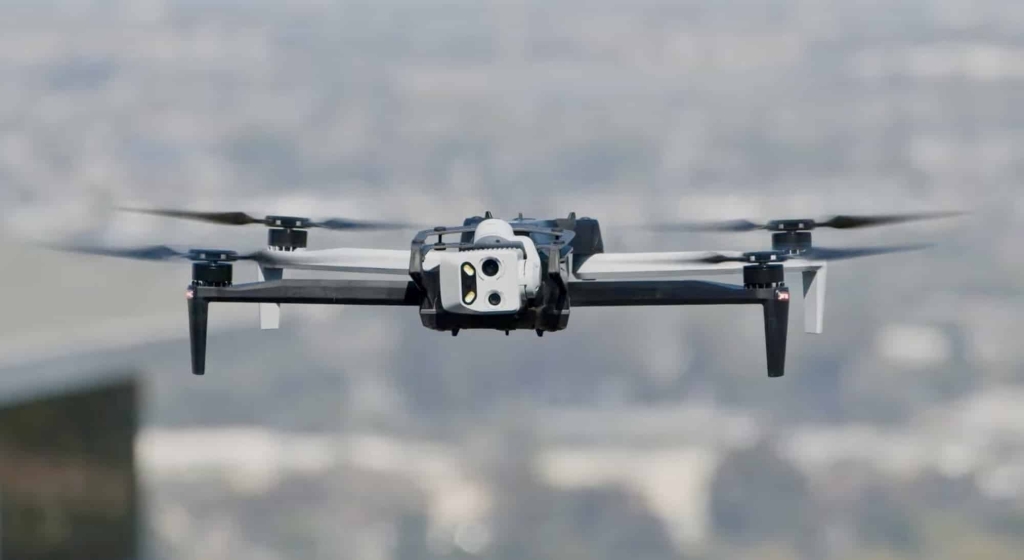 Skydio X10 Drone Gets Major Upgrades: Enhanced Sensors, Safety Features, and Connectivity. Photo credit: Skydio
Amazon Drone Deals: DJI Mini 5 Pro Fly More Combo with DJI RC2 now for $1,099!
I’ve been tracking Florida’s disastrous DJI drone ban for over a year, and the bill is finally coming due. When we first reported on St. Cloud’s $890,000 Drone as a First Responder (DFR) program last month, the story was about the exorbitant cost of compliance. Now, new data shows the program is an operational success, proving the DFR model works. But it also validates our biggest fear: Florida taxpayers are paying a massive premium for public safety.
- What: The St. Cloud Police Department’s Skydio-based DFR program has successfully completed nearly 200 deployments in its first two months of operation.
- Who: St. Cloud PD, using American-made Skydio drones as mandated by Florida state law.
- When: The program officially launched in November 2025. New operational data was reported by the Tampa Bay Times on January 1, 2026.
- Why it matters: This is the first real-world validation of a DFR program in Central Florida operating under the DJI ban. It proves the BVLOS model is viable for public safety, but it also highlights the staggering cost difference compared to DJI-equipped departments in other states.
200 Deployments in 60 Days: DFR is Now a Proven Model in Florida
According to the Tampa Bay Times, St. Cloud’s DFR program is averaging more than three flights per day. This isn’t a test program; it’s a fully operational system handling a real-world caseload. The most compelling evidence of its success came from a mental health call where a man was reported to have a knife.
The Skydio drone arrived on the scene before patrol cars, providing officers with critical intelligence that the man had put the knife in his pocket. This information de-escalated the encounter before it even began, leading to a safe resolution. Police Chief Douglas Goerke stated the drone “might have saved that man’s life.” This single incident is a powerful testament to the value of BVLOS operations in public safety.
The $200 Million Elephant in the Room: The True Cost of DFR Success
While we celebrate St. Cloud’s operational success, we can’t ignore the financial reality. As we detailed in our original coverage, the $890,000 price tag is a direct result of Florida’s ban on DJI drones. This policy forced an estimated $200 million worth of perfectly good DJI drones onto scrap heaps across the state, leaving agencies to purchase far more expensive, and sometimes less reliable, Blue UAS alternatives.
A comparable DFR setup using DJI enterprise drones would cost a fraction of the price. St. Cloud is paying a premium of 3-4x for Skydio hardware and software subscriptions that come standard on DJI systems. This success story is built on a foundation of questionable policy and inflated taxpayer expense.
What St. Cloud’s Success Means for Part 107 Pilots
For commercial and recreational pilots, St. Cloud’s program is a critical case study. It demonstrates a clear, successful use case for BVLOS operations in a complex environment. Public safety is paving the way and absorbing the high costs of pioneering this technology. The data and operational wins from programs like St. Cloud’s will be used to justify broader BVLOS approvals from the FAA.
The fact that nearly one in five of Chula Vista’s DFR calls don’t require a patrol unit to follow up shows a massive potential for ROI. This creates a future business opportunity for Part 107 operators to provide DFR-as-a-service to smaller municipalities that can’t afford the upfront investment of a program like St. Cloud’s.
DroneXL’s Take
Here’s what I expect: we’ll see at least a dozen more Florida municipalities launch similar Skydio-based DFR programs in the next 18 months, citing St. Cloud’s success. This will further solidify Skydio’s hold on the state’s public safety market, but it will also create a two-tiered system where wealthier cities can afford DFR and smaller ones can’t.
This is a positive development for BVLOS and public safety, but it’s also a cautionary tale about the financial consequences of protectionist drone policies. The success is real, but so is the inflated price tag paid by taxpayers. St. Cloud proves the DFR model works, but it also proves that Florida’s DJI ban is a costly solution to an unproven problem.
Are you a Part 107 operator in Florida? Does the success of DFR programs make you more optimistic about commercial BVLOS waivers? Let us know in the comments.