
RQ-170 Sentinel Drone Watched Maduro’s Fall
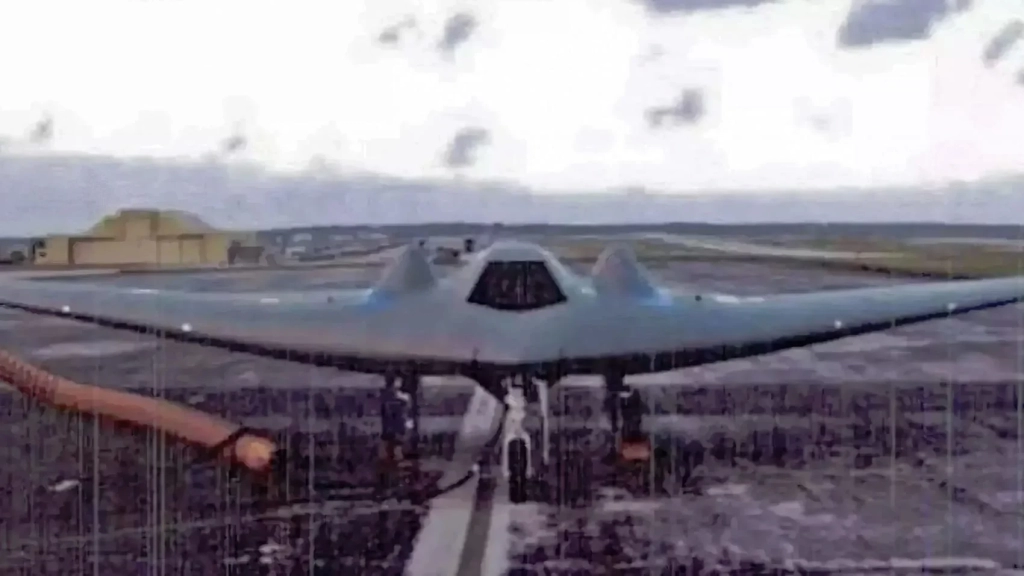 Photo credit: USAF via FOIA
Amazon Drone Deals: DJI Mini 5 Pro Fly More Combo with DJI RC2 now for $1,099!
Some drones announce themselves with noise, blinking lights, and shaky cellphone footage, others arrive like a thought you did not know you were having, quiet, inevitable, already there before you noticed. Saturday night over Venezuela, the RQ-170 Sentinel belonged firmly to the second category.
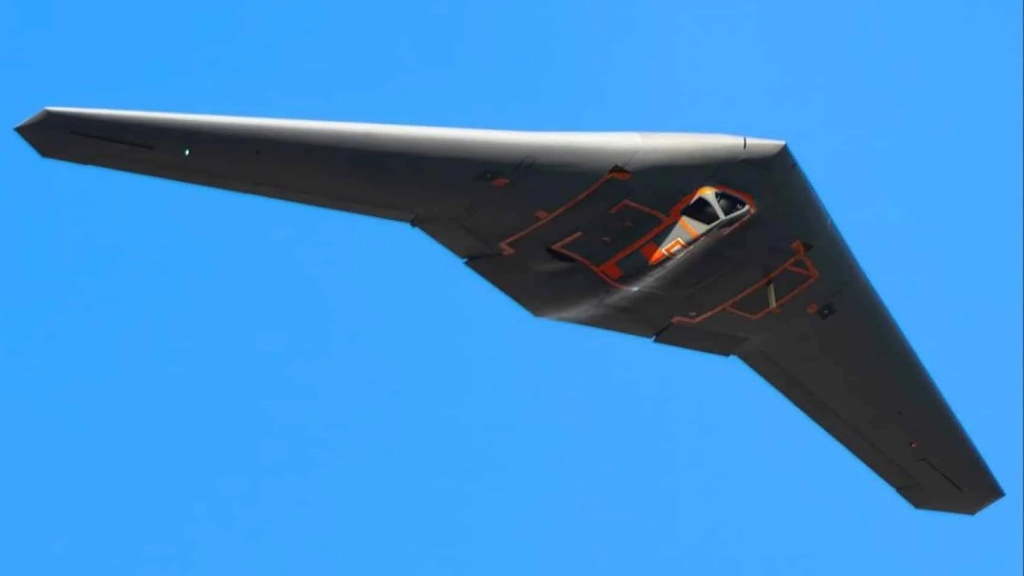 Photo credit: USAF via FOIA
At least one, and possibly two, of the U.S. Air Force’s most secretive drones were airborne during the operation that led to the capture of the “president” Nicolas Maduro and his wife. Seeing the RQ-170 connected to a real world mission is rare, almost mythical, but if there was ever a moment designed for this aircraft, this was it, as reported by The War Zone.
The Sentinel was built by Lockheed Martin’s Skunk Works for one purpose above all others, persistent surveillance of high value targets deep inside contested airspace, the kind of places where radar operators sleep lightly and dictators sleep poorly. Venezuela, last night, checked every box.
A spotter in Puerto Rico captured video of what appears to be an RQ-170 returning to the former Naval Station Roosevelt Roads early this morning.
Another footage of U.S. RQ-170 stealth drone returning to Puerto Rico from Venezuela. https://t.co/c7yKubc7jc pic.twitter.com/PLaxEaxFcX
— Clash Report (@clashreport) January 3, 2026
That base, now known as Jose Aponte de la Torre Airport, has quietly become a hub for expanded U.S. military operations across the Caribbean since late 2025. The Sentinel’s appearance there is not random, it feels like the last page of a chapter written over months.
U.S. RQ-170 stealth drone returning to Puerto Rico this morning.
This is a quiete rare footage of the drone, spotted after supporting US strikes on Venezuela last night.
[📹 Nando Curbelo Rodriguez]pic.twitter.com/dYVHcfGvbQ
— Massimo (@Rainmaker1973) January 3, 2026
For many Venezuelans watching from abroad, myself included, it felt surreal. For years, Maduro controlled information, movement, and fear. Last night, something else controlled the sky, and it did not ask permission.
Why the RQ-170 was the perfect watcher
The RQ-170 is not new, it is at least twenty years old, and it is not the stealthiest aircraft ever built, but age does not matter when design intent still matches the mission. This drone was made to loiter, to observe without interrupting, to learn routines, patterns, habits, and vulnerabilities, the very things authoritarian regimes try hardest to hide.
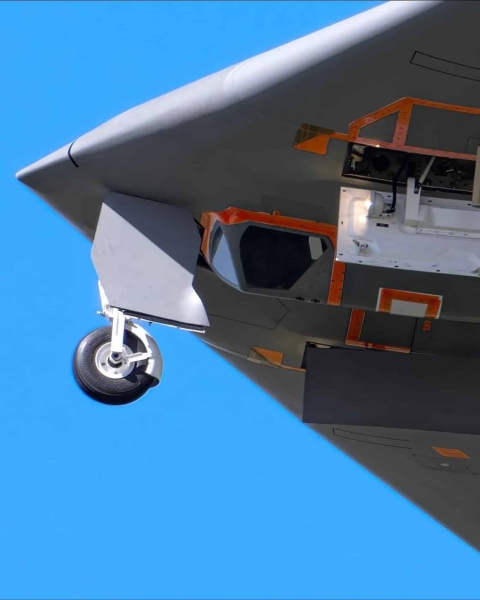 Just behind the front wheel, you can see the compartment where the cameras are. Photo credit: USAF via FOIA
Its sensor suite is believed to include electro-optical and infrared cameras, radar with synthetic aperture imaging, ground moving target indicators, and signals intelligence equipment. In simple terms, it sees you when you move, when you stop, when you think you are hidden, and when you believe the walls are thick enough.
For an operation like this, the Sentinel would have tracked Maduro’s movements for weeks or months, mapping his patterns of life, watching the guards who changed shifts late, the vehicles that always arrived together, the moments when protection thinned and even when and where he ate his last arepas as “president”. During the operation itself, a drone like the RQ-170 becomes an invisible conductor, feeding real time intelligence to commanders, pilots, and decision makers far away.
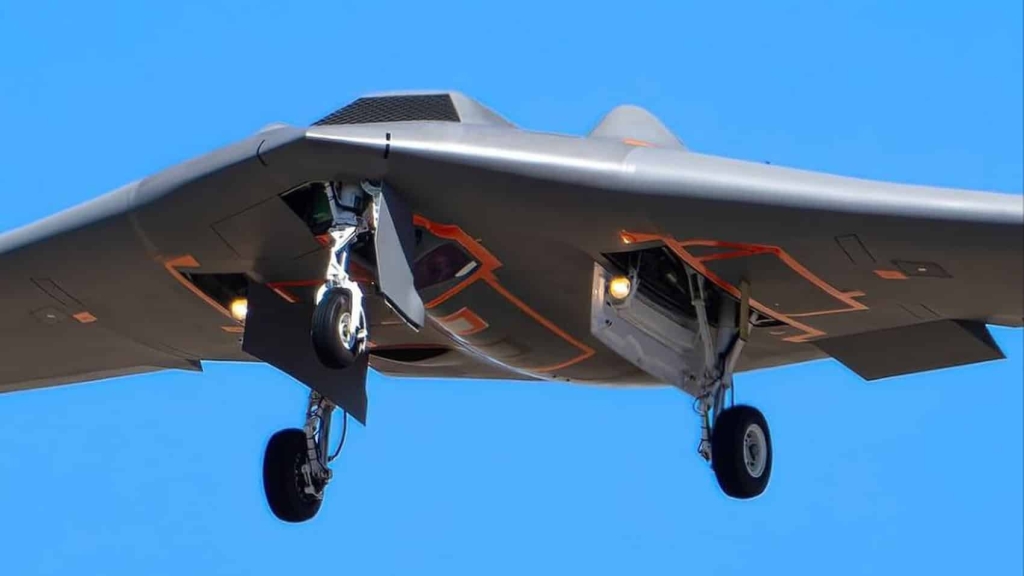 Photo credit: USAF via FOIA
President Donald Trump confirmed that he watched the mission unfold live. That view, almost certainly, came from above, from a drone that does not blink.
The Sentinel has done this before. It supported the operation that killed Osama bin Laden in 2011. It watched Iran’s nuclear facilities until one was famously lost in 2011. It likely flew near North Korea, Crimea, and other places where airspace is more of a suggestion than a rule. Venezuela now joins that list.
For drone enthusiasts, this is the RQ-170 doing exactly what it was designed to do. For Venezuelans in exile like myself, it feels good and personal.
When technology meets history
The air operation around Venezuela was extensive. F-22 Raptors, F-35s, F[/A]-18s, EA-18s, E-2s, B-1 bombers, and multiple drones formed a layered force designed to dismantle air defenses and protect helicopters moving into Caracas. General Dan Caine confirmed that air defenses were actively neutralized to ensure safe passage for ground forces.
Venezuela’s air defense network was limited, but not irrelevant. That matters, because it explains why a stealthy, patient ISR drone like the RQ-170 was so valuable. You do not kick the door down without first knowing who is standing behind it.
There is a strange joy in imagining a dictator who spent years posturing, lying, and performing for state television, being quietly watched by a flying triangle he could neither see nor silence. No slogans. No cadenas. Just data.
There is humor in that, the gentle kind, the kind that comes from knowing that all the bluster in the world cannot jam physics, optics, and well trained operators sitting half a continent away with coffee and checklists.
Drones are often discussed in abstract terms, payloads, ranges, endurance, sensor fusion. Saturday night, they were something else too. They were witnesses.
DroneXL’s Take
The RQ-170 Sentinel did not fire a shot, did not break the sound barrier, and did not trend on social media while it was working, and that is exactly why it mattered. This operation was a reminder that drones are not only tools of delivery or destruction, they are instruments of patience, pressure, and inevitability.
For us, this was a rare glimpse of one of the most secretive drones in the world doing the job it was built for. For Venezuelans scattered across the world, it felt like technology finally leaned in the right direction, quiet, precise, and overdue.