
RN Wildcat Shows Live Drone Targeting In Flight Trials
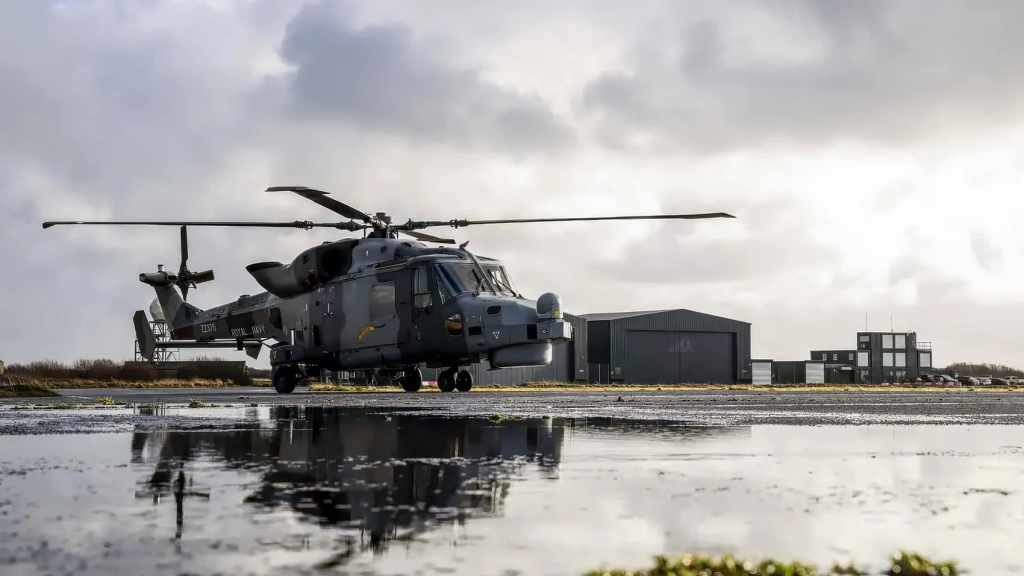 Photo credit: Royal Navy
Check out the Best Deals on Amazon for DJI Drones today!
The Royal Navy has taken another clear step toward a more networked future, after a Wildcat HMA2 helicopter successfully demonstrated real time targeting using live data from multiple uncrewed aircraft during trials at the National Drone Hub in Predannack, Cornwall, as The Avionist reports.
During the event, a Wildcat from 815 Naval Air Squadron carried out simulated strikes with Martlet lightweight multirole missiles against moving targets, relying on intelligence gathered by an RQ-20 Puma and a Providence UAV.
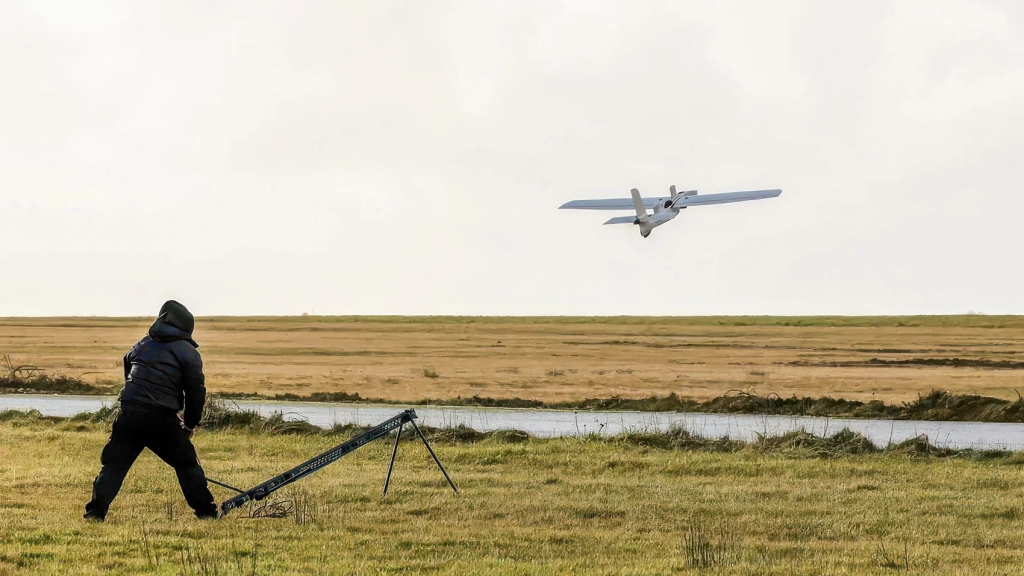 Photo credit: Royal Navy
The data flowed into the helicopter while airborne, giving the crew an integrated picture of the target area and allowing simulated engagements both beyond visual line of sight and over the horizon.
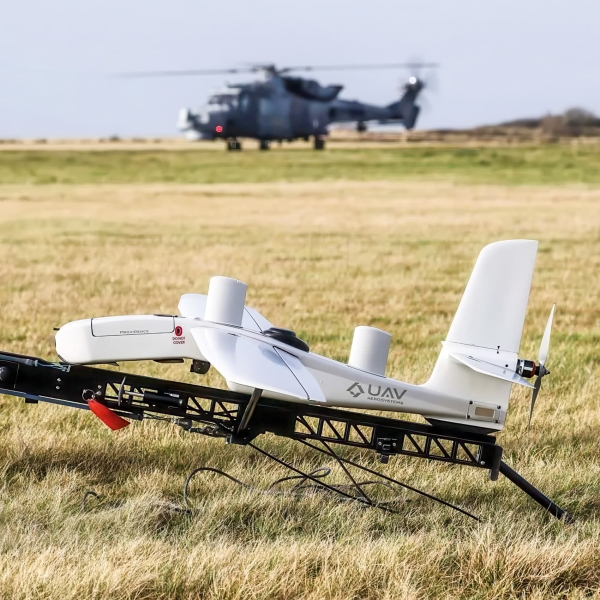 Photo credit: Royal Navy
What made this demonstration especially notable was that personnel from specialist unit 700X Naval Air Squadron operated the Puma directly from inside the Wildcat, effectively turning the helicopter into a flying command centre.
A new mesh network allowed data from different drone platforms and sensors to be fused seamlessly, without crews having to juggle multiple proprietary systems.
According to the Royal Navy, this was the first time a Wildcat crew sent and received live data from multiple drones during an active mission, laying the groundwork for future operations where crewed aircraft can command and even take control of uncrewed systems as the tactical situation demands.
Hybrid Air Wing Takes Shape
The trials, known as Eagles Eye, form part of the early development of the United Kingdom’s Hybrid Air Wing concept.
Under this approach, the Royal Navy’s Queen Elizabeth class aircraft carriers and potentially other vessels will act as hubs for both crewed and uncrewed aircraft, dramatically expanding intelligence, surveillance and reconnaissance capabilities while also supporting kinetic strike missions.
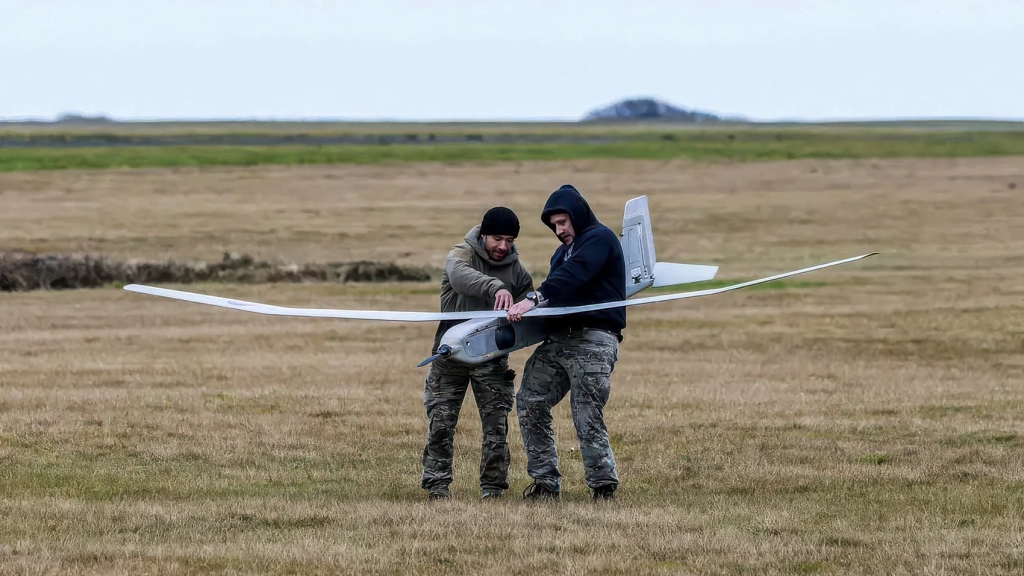 Photo credit: Royal Navy
The Wildcat and Martlet pairing is already well suited to counter fast attack craft and surface threats, and the addition of drone enabled targeting adds another layer of reach and survivability.
Lessons learned from recent conflicts, particularly the war in Ukraine, are influencing how these networks are built, with an emphasis on modularity, resilience and interoperability across different platforms.
Royal Navy leadership has been clear that the focus is not just on drones themselves, but on secure and flexible access to data.
By breaking away from unique interfaces tied to individual systems, crews can plug new sensors and aircraft into the network far more quickly, reducing integration time and increasing operational tempo.
Further testing of these concepts is planned during Exercise Tamber Spring in Norway, where Wildcat crews will operate in challenging fjord environments against simulated maritime threats.
Predannack and Cornwall Double Down on Drones
The Eagles Eye trials also highlighted the growing role of Predannack as a national centre for uncrewed aviation. The National Drone Hub recently expanded with two large new hangars, designed to support much bigger platforms, including aircraft in the MQ-9 Reaper class, even though none have yet operated from the site.
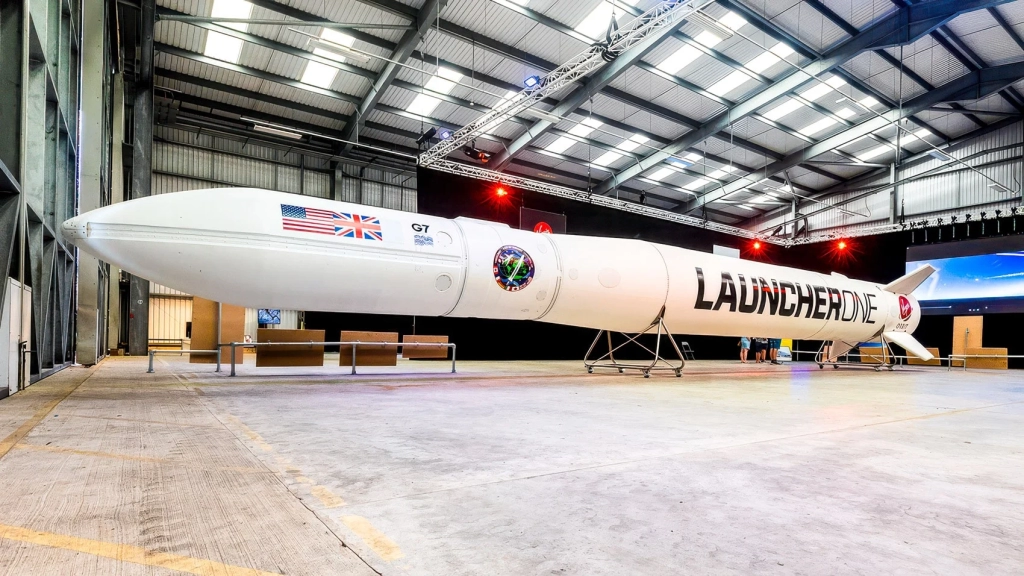 One of the new hangars
Photo credit: Royal Navy
In December 2025, a new agreement between the National Drone Hub and Spaceport Cornwall at Newquay further extended the available test areas off the Cornish coast.
This opens the door to trials involving larger and faster uncrewed aircraft, using Newquay’s long runway and newly established airspace zones.
A specific operations risk assessment is now being developed to support these activities, which would strengthen Cornwall’s position as one of the United Kingdom’s most important hubs for drone and uncrewed aircraft development, spanning both defense and commercial sectors.
DroneXL’s Take
What stands out here is not the missile simulation or even the drones themselves, but the network. Turning a Wildcat into a connected command node shows how modern air combat is increasingly about data flow rather than raw firepower, and this trial suggests the Royal Navy is serious about building systems that can adapt quickly as new drones and sensors come online.
If these concepts scale successfully to carrier operations, the Hybrid Air Wing could become a genuine force multiplier rather than just another defense buzzword.
Photo credit: Royal Navy