
Meet The UAVs Used At The US Department Of War’s “Drone School”
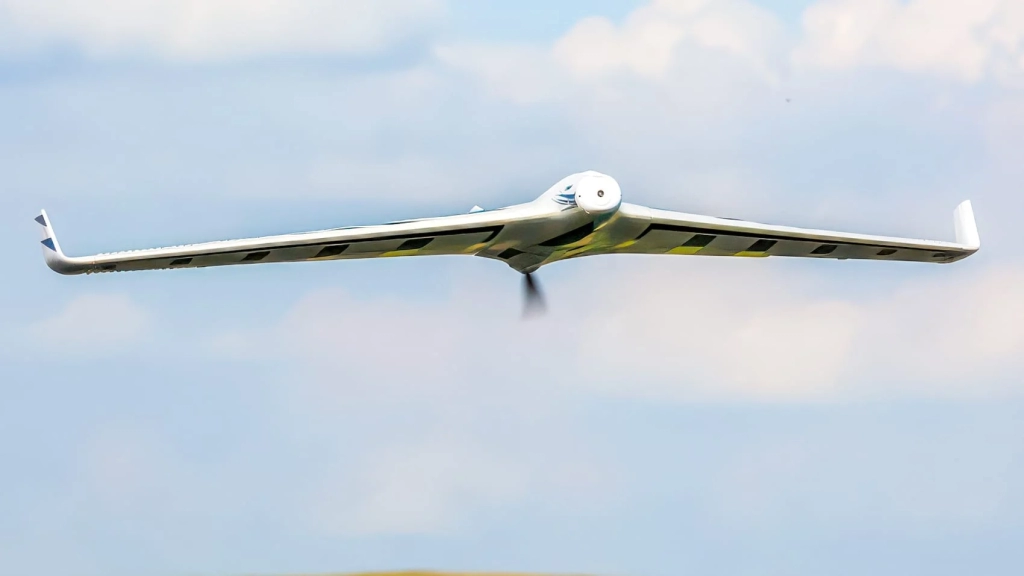 Photo credit: Horizon Hobby
Amazon Drone Deals: DJI Mini 5 Pro Fly More Combo with DJI RC2 now for $1,099!
When people hear “drone school,” they often imagine a room full of soldiers flying quadcopters into walls like it’s their first time with a PlayStation controller. The reality is far more serious, far more technical, and considerably more expensive.
The US Department of War runs the Joint Counter Small Unmanned Aircraft Systems University at Fort Sill, Oklahoma. The goal is not to turn service members into aerial photographers, but into professionals who can detect, identify, track, and neutralize hostile drones before those drones ruin someone’s very bad day, as reported by Aerospace Globlal News.
Students at JCU train on more than two dozen commercial and military style unmanned aircraft, including custom foam builds that exist purely to be chased, jammed, or knocked out of the sky. Below are some of the most prominent platforms used, each one teaching a very specific lesson about modern aerial warfare.
Freefly ALTA X – The quiet heavyweight
The Freefly ALTA X is the largest quadcopter in the JCU lineup and the closest thing to a flying pickup truck that still folds neatly into a case. With a payload capacity north of 30 pounds and flight times pushing 50 minutes, this aircraft is built for serious sensor work, not only cinematic sunsets.
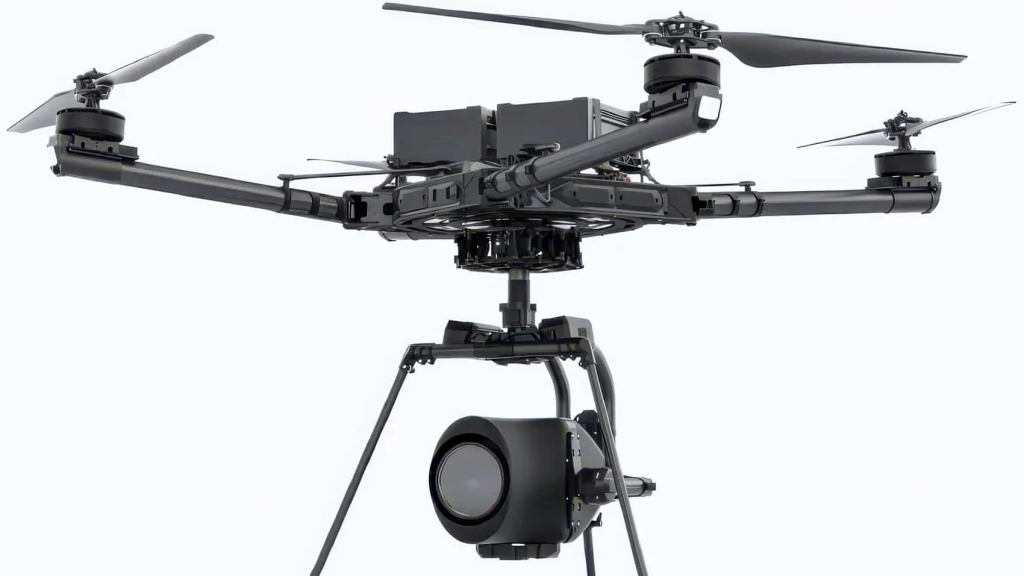
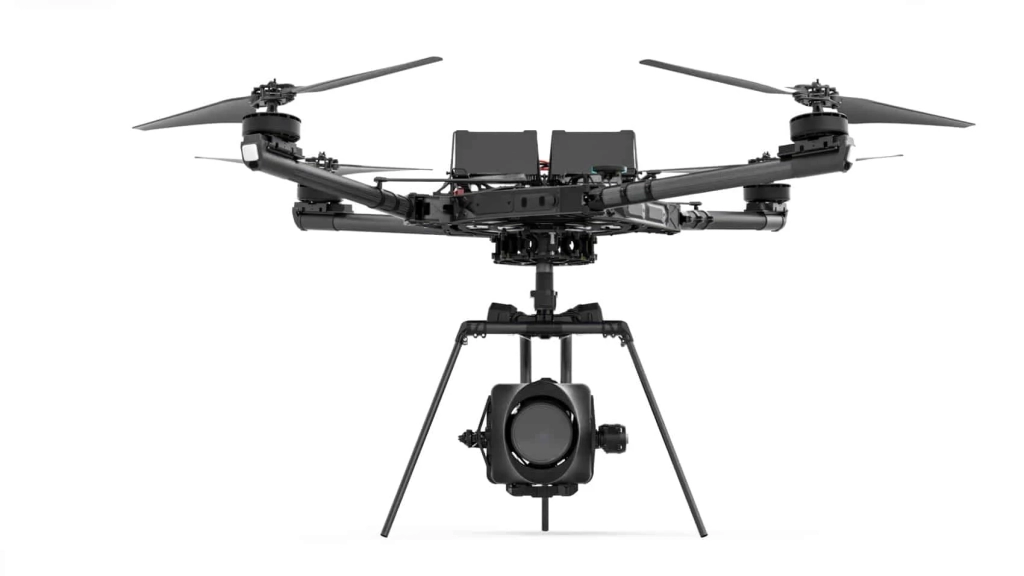
What makes the ALTA X especially valuable at drone school is not just what it carries, but how it behaves. It is remarkably quiet for its size, which makes it ideal for detection and counter detection training. If you cannot hear it, you better be able to see it, track it, and classify it correctly.
The folding boom design reduces vibration and noise while keeping the airframe stiff enough for LiDAR mapping, high speed imaging, and night operations with LED lighting. One button and the entire drone folds down in under 20 seconds, which is faster than most people can properly coil a charging cable.
In short, it teaches students that not all big drones announce themselves like lawn mowers.
Inspired Flight IF1200 – The hexacopter that refuses to be boring
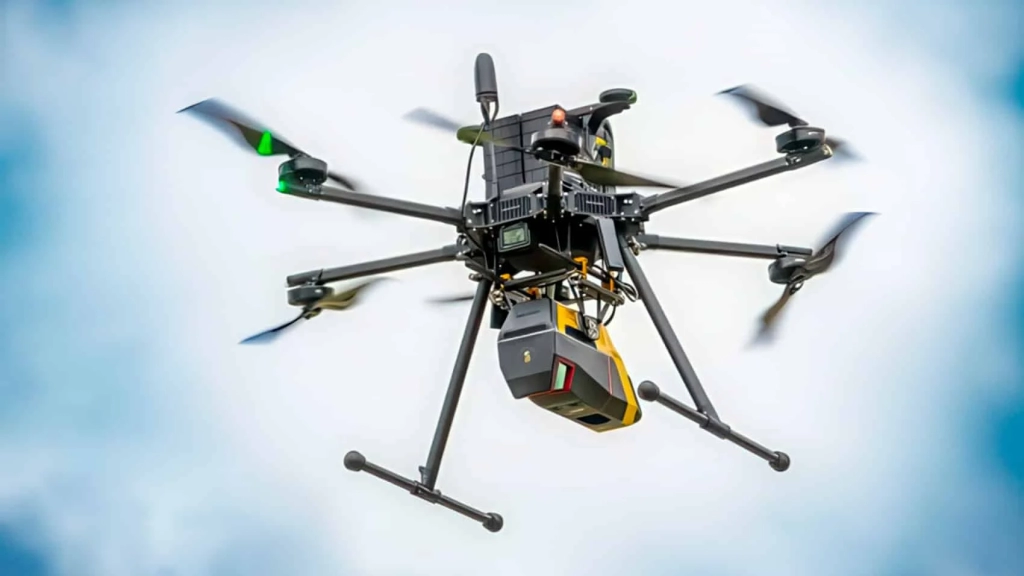
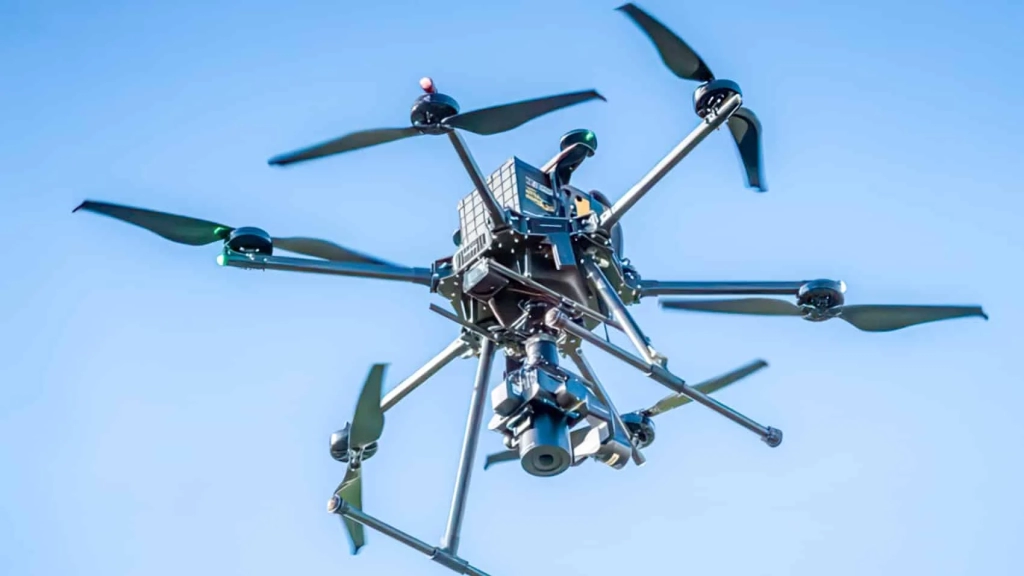
At first glance, the IF1200 looks like a more modest cousin of the ALTA X. Then it takes off, accelerates like it is late for a meeting, and casually reminds everyone that size does not define capability.
This heavy lift electric hexacopter can fly close to 70 mph, handle winds up to 23 knots, and stay airborne for over 40 minutes while carrying mapping sensors, cameras, or inspection payloads. It is designed for repeatability, which in military terms means it behaves the same way every time, even when conditions are not polite.
The IF1200 is used heavily for detection and response training because it forces students to reassess assumptions. Hexacopters are supposed to be stable and slow. This one does flips.
As one JCU instructor put it, it looks clunky until it embarrasses everything else in the sky.
Black Hornet – The drone you never heard coming
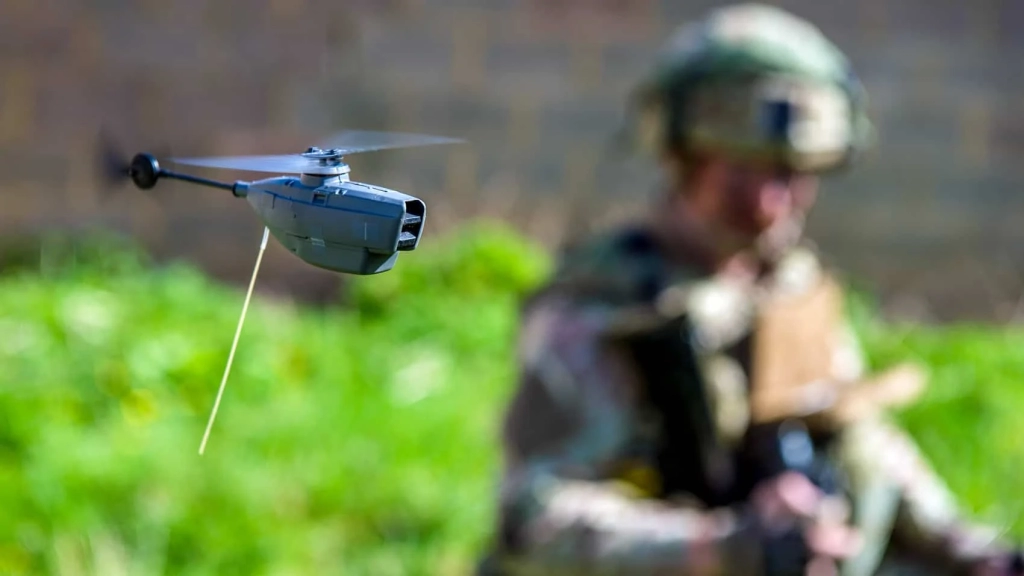 Photo credit: Teledyne FLIR
The Black Hornet is not impressive because of raw power or endurance. It is impressive because it barely exists.
Weighing about 70 grams and small enough to disappear in a clenched fist, this nano drone is designed for close range intelligence, surveillance, and reconnaissance. It’s like a really expensive (+$100,000 a piece) Dji Neo. It flies quietly enough to operate inside buildings, around corners, and in environments where GPS and communications may not cooperate.
For students, the Black Hornet is a lesson in perspective. Not all threats come with propeller noise and blinking lights. Some of them are already inside the room, watching quietly, taking thermal images, and leaving before anyone notices.
It is the kind of drone that makes counter UAS training feel uncomfortably personal.
R80D SkyRaider – The backpack problem solver
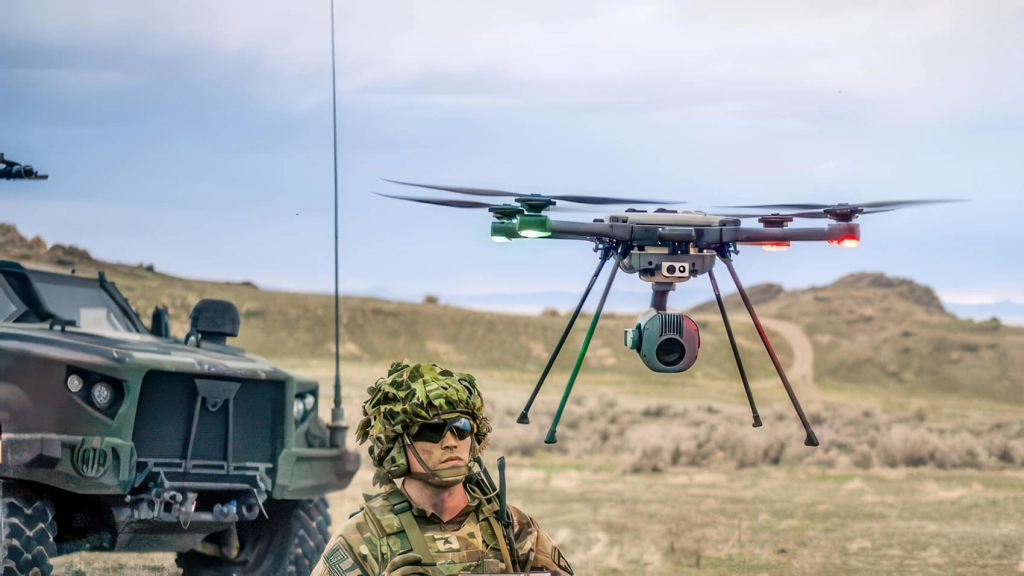 Photo credit: Teledyne FLIR
Developed exclusively for the Department of War by Teledyne FLIR, the R80D SkyRaider is a tactical quadcopter designed to be carried, deployed, and operated by a single person. If you can wear a backpack, you can launch this drone.
Its real value lies in modularity and autonomy. With EO and IR optics, chemical and biological sensors, radios, and AI driven onboard processing, the SkyRaider can adapt to missions that evolve mid flight. It also operates in GPS and communications denied environments, which is a polite way of saying it keeps working when things go wrong.
At JCU, the SkyRaider is used to train students on real world scenarios where there is no perfect signal, no clean data, and no second chance to get it right.
WingtraOne Gen II – The aerial surveyor with military discipline
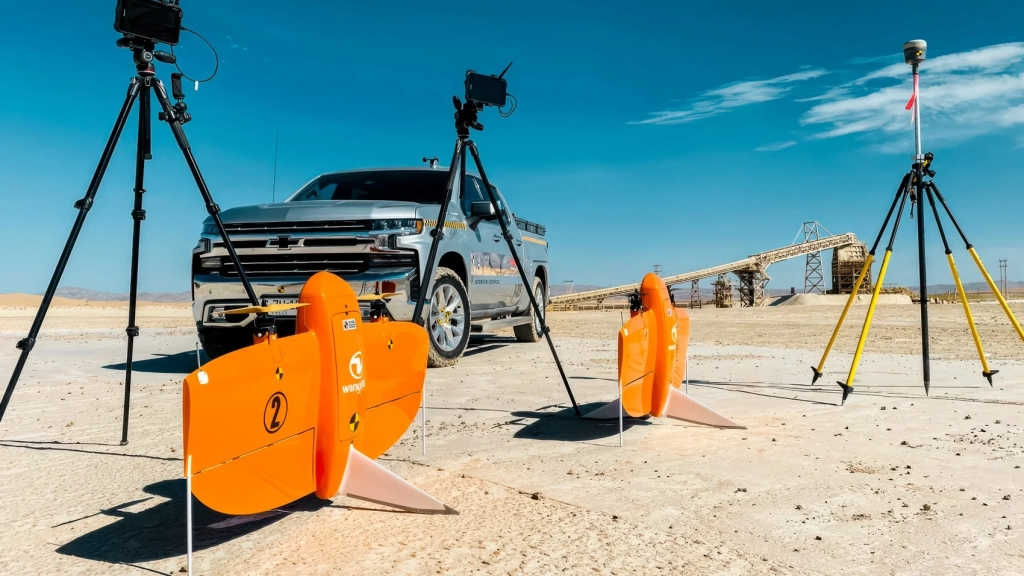 Photo credit: Wingtra
The WingtraOne Gen II brings fixed wing efficiency into a VTOL body, combining vertical takeoff with long endurance and high quality mapping capabilities. While it looks more civilian than tactical, that is exactly the point.
With nearly an hour of flight time, multiple camera options, and LiDAR support, the WingtraOne teaches students how mapping and intelligence gathering scale when range and endurance matter more than hovering.
It can operate at higher altitudes, cover large areas quickly, and produce precise 3D models that support planning and analysis. At drone school, it reminds everyone that not every mission involves chasing a target. Some missions involve understanding the entire landscape before the first move is made.
Vesper – Small, encrypted, and annoyingly capable
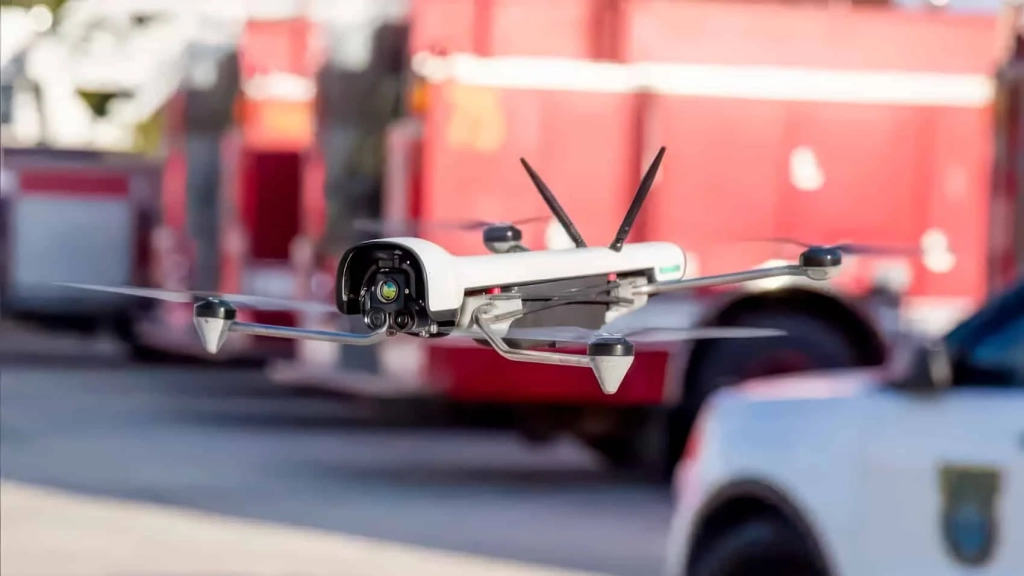 Photo credit: UST
Vesper is a lightweight quadcopter that looks deceptively simple until you check the sensor package and security stack. With low light EO, IR, thermal imaging, massive zoom capability, and AES 256 encryption, this drone is built for serious ISR work in a very compact form.
It flies quietly, lasts around 50 minutes, and packs into a waterproof, crush proof case that weighs about as much as a small laptop bag. In other words, it is the drone you bring when you do not want attention but absolutely want information. Something really interesting about this drone is that can also be used tethered to a ground station and fly straight for many hours on the sky.
At JCU, Vesper is used to train students on secure operations, data protection, and sensor fusion, because intelligence is only useful if it arrives intact and unseen.
Opterra – The drone born to be hunted
Not every drone at the DoW drone school is meant to survive.
The Opterra is a lightweight fixed wing UAS used primarily as a target drone. With a small air signature, multiple camera mounts, and high portability, it exists to be tracked, intercepted, and defeated. Specially because its price: less than $400.
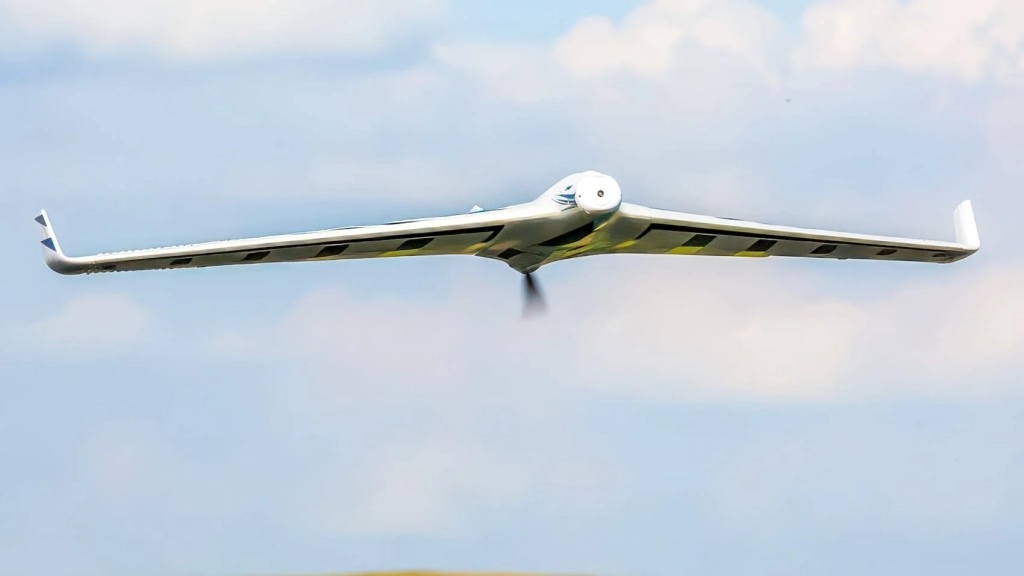
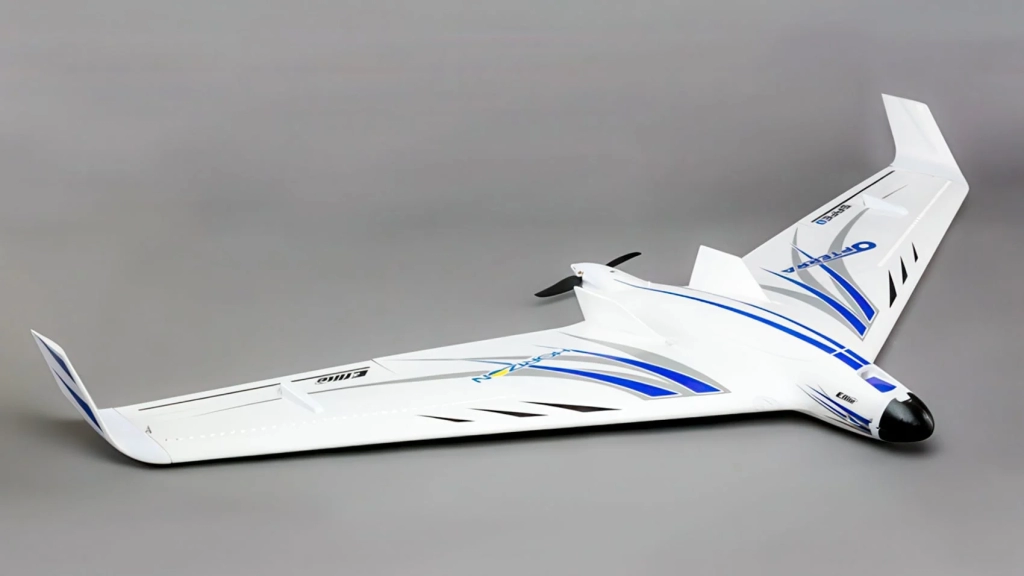
It pairs with 3D printed foam drones to give students realistic targets that behave like real aircraft without the cost of losing something irreplaceable. Plug in wings, launch, recover what is left, repeat.
It is a reminder that counter drone training requires sacrificial aircraft, and the Opterra wears that role proudly.
Why this lineup matters
Together, these platforms represent the full spectrum of modern drone threats and capabilities, from silent nano drones to heavy lift sensor platforms and fast fixed wing scouts. The DoW drone school is not about flying for fun. It is about understanding how drones behave, how they hide, how they fail, and how they are defeated.
DroneXL’s Take
What stands out at the DoW drone school is not any single aircraft, but the philosophy behind the fleet. This is not a showroom of the newest or flashiest drones. It is a carefully curated ecosystem designed to teach one hard truth: drones are no longer gadgets, they are variables in conflict, logistics, intelligence, and survival.
From a Black Hornet that can quietly rewrite situational awareness to a heavy lifter like the ALTA X that trains operators to detect what does not want to be seen, every platform exists to break assumptions. If you still think counter drone operations are about spotting something buzzing overhead, Fort Sill is quietly proving you wrong.
The future of airspace is layered, subtle, and unforgiving, and the people training here are learning that the most dangerous drone is often the one that looks boring, flies quietly, and never shows up on social media.
Photo credits: UST, Freefly Systems, Wingtra, Horizon Hobby, Teledyne FLIR and Inspired Flight.