
Louisiana Weighs Drones For Tracking Wounded Game
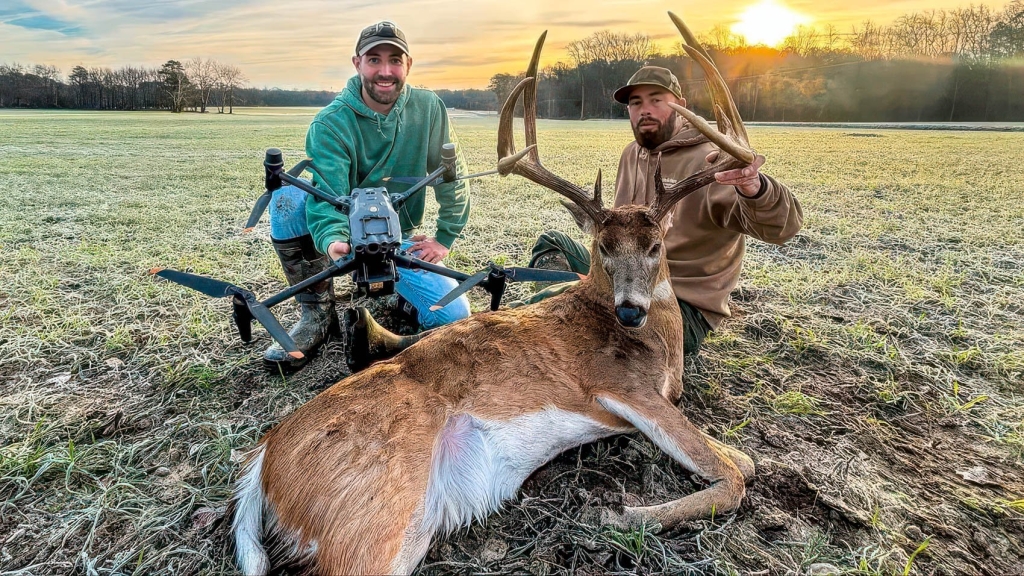 Photo credit: Justin Updyke
Check out the Best Deals on Amazon for DJI Drones today!
Louisiana hunting regulators are considering a rule change that would allow drones to help hunters locate wounded or dead animals after a legal shot, while drawing a very bright line between recovery and actual hunting, as Louisiana Illuminator reports.
The Louisiana Wildlife and Fisheries Commission is reviewing proposed updates to the 2026 to 2028 hunting regulations, which currently ban drones for this purpose.
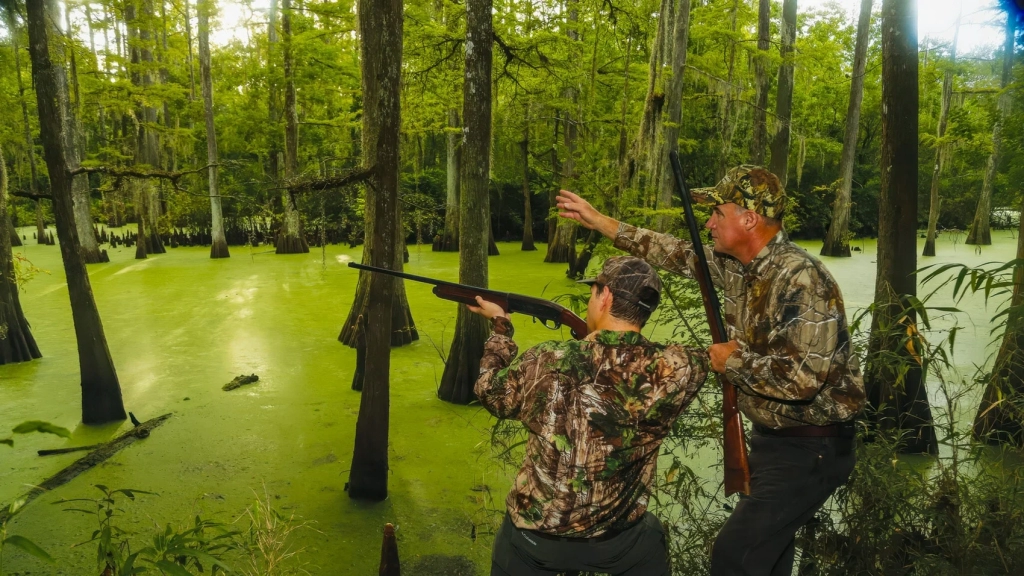 Photo credit: Louisiana Department of Wildlife and Fisheries
If approved, permitted hunters could use drones to track deer and bears that were legally shot during approved hunting hours, then recover them on the ground, using legs instead of joysticks.
 Photo credit: Louisiana Department of Wildlife and Fisheries
The idea is simple. Find wounded animals faster, reduce suffering, and avoid long tracking jobs through thick brush. The execution, however, requires careful wording so nobody mistakes a drone for a flying rifle.
“I’m all for it,” said commission member Kevin Sagrera, who represents the commercial fishing and fur industry. Anyone who has ever followed a faint blood trail into Louisiana vegetation likely understands the enthusiasm.
Federal law, fine lines, and flying ethics
The proposal immediately bumps into the Federal Airborne Hunting Act of 1956, which bans using aircraft to hunt or harass wildlife.
That law was written decades before infrared cameras, GPS coordinates, and battery powered aircraft that fit in a backpack, but it still carries weight.
Commission chairman Kenneth “Andy” Brister made it clear the state has no interest in opening the door to remote controlled deer season.
“One thing that I’m glad of is that it restricts being able to mount a gun on a drone,” Brister said, noting that technology tends to sprint while regulations try to keep a steady jog.
He then described a future regulators very much want to avoid.
“I could see the future of somebody sitting in their office watching their deer camera or their drone shooting a deer from their office, you know, going out and getting it later afterwards.”
That image alone likely guaranteed plenty of legal guardrails.
Wildlife and Fisheries general counsel Cole Garrett pointed out the legal gray area the commission must navigate.
“If the deer is wounded and not dead, and you used a drone or an aircraft to identify it, and now you’re going to retrieve it and dispatch it, is that considered hunting?”
To stay on the right side of federal law, the proposal would allow drones to operate outside of hunting hours and use lights or infrared cameras only to confirm whether an animal is dead or near death. If a drone spots a healthy animal, the pilot must immediately leave the area and cannot share its location. No coordinates, no whispers, no accidental “by the way” texts.
Certification required, no backyard pilots allowed
This is not a casual hobby drone situation. Drone pilots would need FAA certification, which requires passing the unmanned aircraft general test. The exam costs $175, plus a $5 registration fee every three years per aircraft. In short, this is a job for licensed operators, not a friend who once flew a drone at a barbecue.
 Photo credit: Justin Updyke
Missouri and Tennessee already allow drones for deer recovery, using similar restrictions designed to respect the federal ban on airborne hunting. Louisiana appears to be following that same cautious path.
If approved by the Wildlife and Fisheries Commission and legislative oversight committees, the updated rules would likely take effect before the fall 2026 hunting season.
For now, the message is clear. Drones may soon help find wounded animals, but the trigger still belongs firmly in human hands, on solid ground.
DroneXL’s Take
This proposal feels like a practical use of modern drone technology without sliding into sci fi nonsense. Recovery drones reduce suffering, save time, and respect ethical hunting practices, while the restrictions keep things from turning into a remote controlled deer hunt.
As drones become more capable, regulators will keep facing these edge cases, and Louisiana’s approach shows that cautious, well defined rules can let technology help without letting it run wild.
Photo credit: Louisiana Department of Wildlife and Fisheries, Justin Updyke.