
Ireland Boosts Counter Drone Defenses Ahead Of EU Presidency
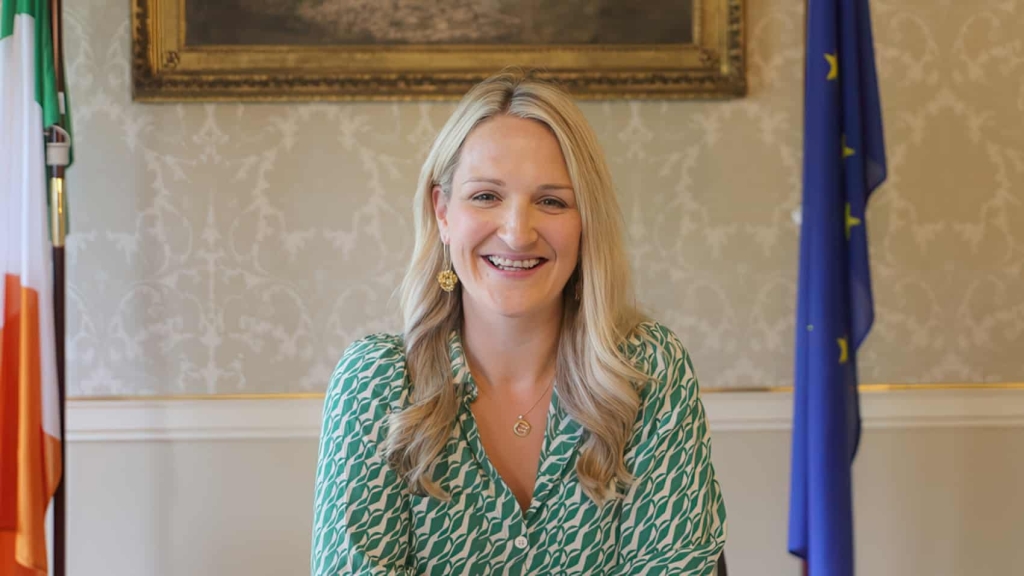 Photo credit: Houses of the Oireachtas
Check out the Best Deals on Amazon for DJI Drones today!
Ireland is tightening its digital airspace as it prepares to host Europe’s political elite.
When Council of the European Union presidency rotates to Dublin on July 1, Ireland will become the diplomatic living room of Europe for six months. Prime ministers, presidents, defense chiefs, and policy heavyweights will pass through the capital. That spotlight brings prestige, but it also attracts unwanted attention from above, as reported by News Talk.
After drones were detected in Irish airspace during the 2023 visit of Volodymyr Zelenskyy, concerns about aerial security moved from theory to urgency.
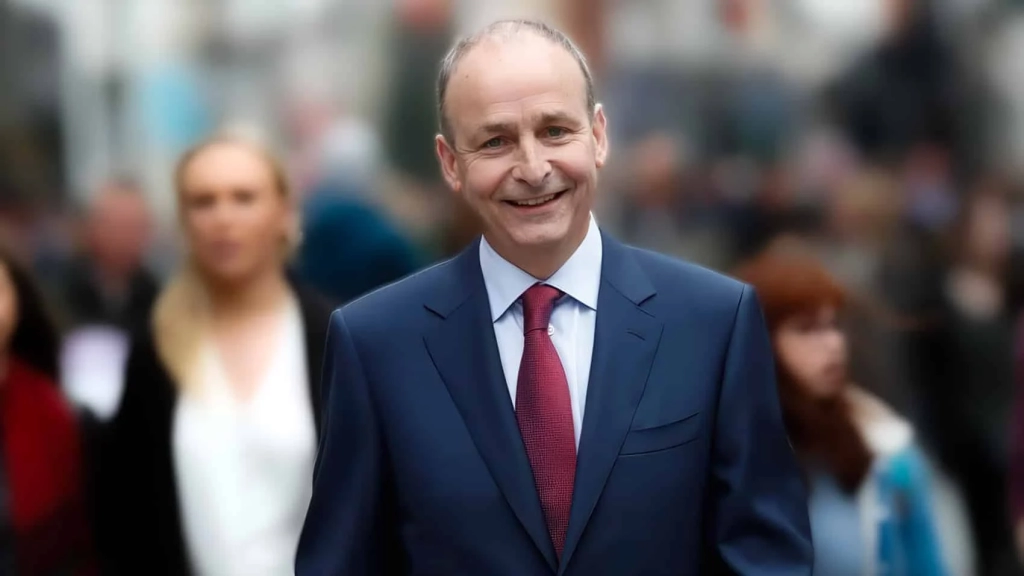 Taoiseach Micheál Martin
Photo credit: Houses of the Oireachtas
A Garda review was ordered, and Taoiseach Micheál Martin declined to speculate publicly about possible foreign involvement until the review concludes. The message was clear: Ireland cannot afford blind spots in its skies.
Now Defence Minister Helen McEntee says those blind spots are closing.
Radar upgrades and counter drone systems
Speaking on Newstalk Breakfast, McEntee promised that Ireland will be “better defended” by the time the presidency begins. Her focus is on accelerating radar deployment and introducing counter drone capabilities designed to detect, track, and respond to unmanned aerial threats.
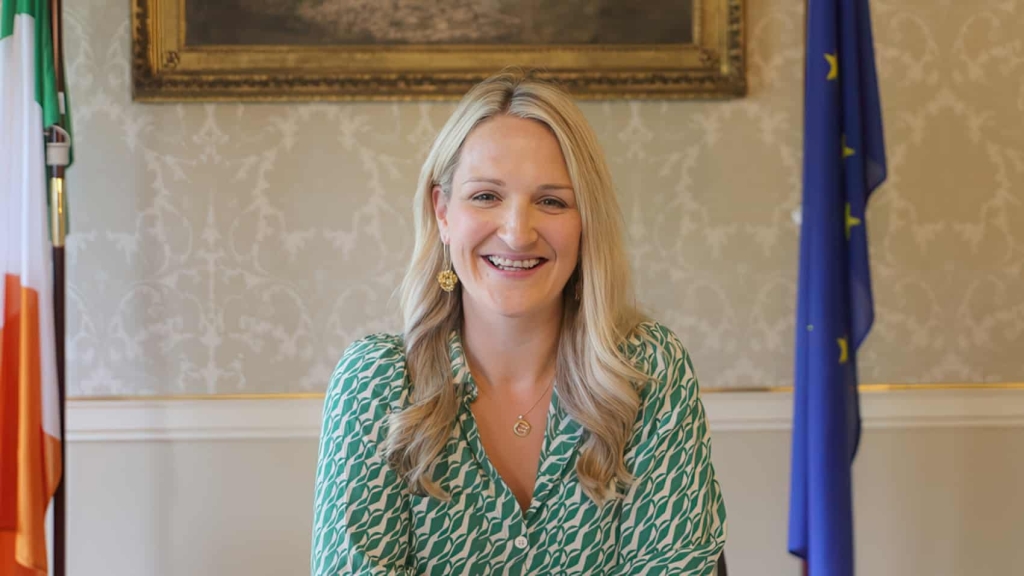 Defence Minister Helen McEntee
Photo credit: Houses of the Oireachtas
Ireland has long lacked a comprehensive primary radar system capable of monitoring aircraft independently of transponders. That gap has been criticized for years by security analysts. McEntee says timelines have now been brought forward, with investment directed at early stage development so that elements of a complete radar system come online sooner.
More immediately relevant for DroneXL readers is the planned deployment of counter drone technology.
According to the minister, these systems will not only address incidents within Irish airspace but will be capable of responding to threats across EU contexts during high profile events. While details remain limited, counter UAS systems typically combine detection sensors, radio frequency monitoring, and mitigation tools designed to disrupt or neutralize rogue drones.
For a country that has historically maintained modest defense capabilities, this marks a noticeable shift in posture.
A spending surge, but still far from NATO levels
McEntee acknowledged that there is a perception Ireland is “doing nothing” on defense. She pushed back hard.
Last year, the Department of Defence received a record €1.5 billion allocation. A new capital plan, she said, is 55 percent larger than its predecessor. A strategic framework covering air, naval services, and ground forces was recently brought to government.
Yet context matters.
Ireland currently spends roughly 0.25 percent of GDP on defense, one of the lowest proportions in Europe. By contrast, NATO members have agreed to raise defense spending targets to 5 percent of GDP by 2035. Ireland is not a NATO member, and the gap is stark.
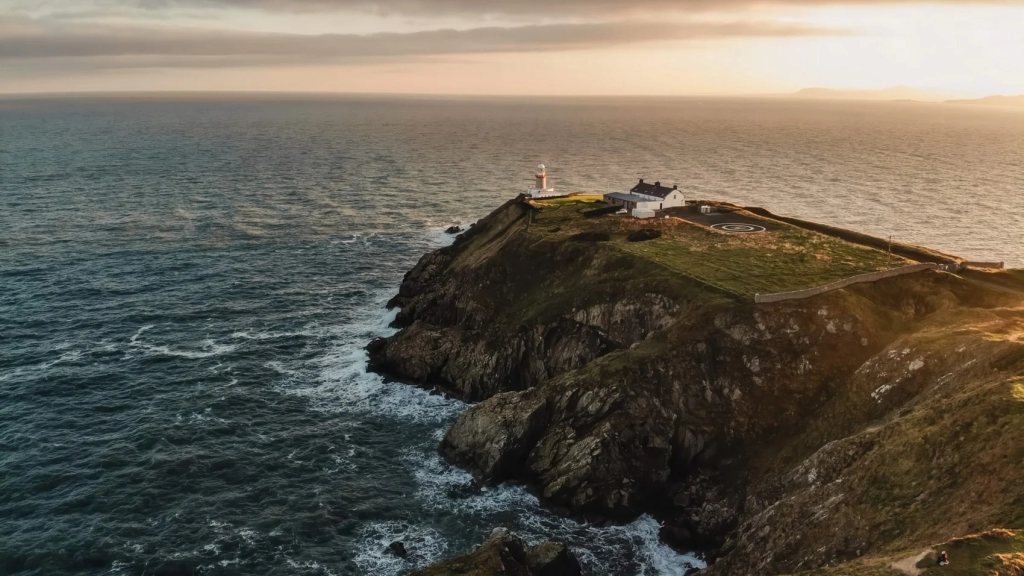 Photo credit: Wikipedia
McEntee dismissed claims that European partners are frustrated with Ireland’s lower spending levels. She said that in meetings with NATO representatives and countries such as Canada, the message was consistent: European allies want closer cooperation with Ireland, not confrontation over budgets.
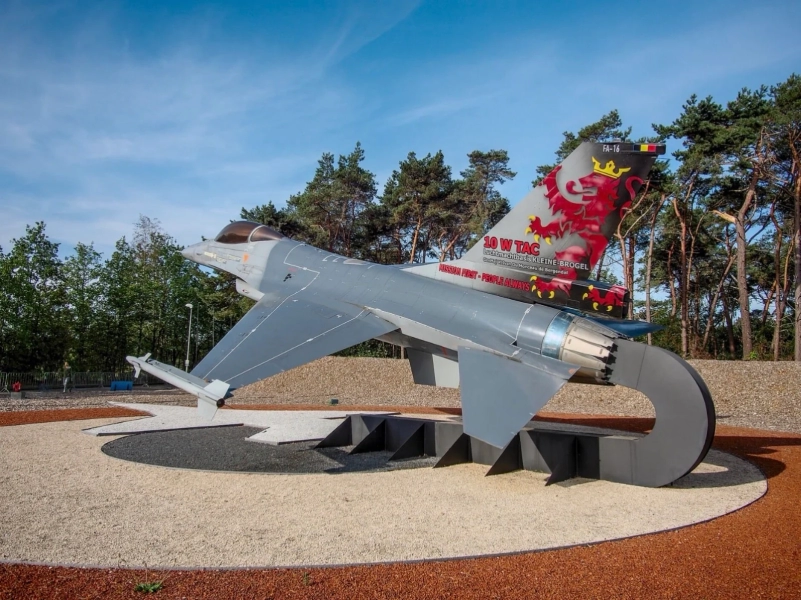 A Belgian F-16AM Fighting Falcon stands as gate guardian at Kleine Brogel Air Base, where three unidentified drones conducted surveillance operations over the weekend while evading NATO countermeasures.
Photo: Wikipedia
Still, as drone threats become cheaper, more accessible, and more asymmetric, spending levels will remain part of the debate.
Neutrality in a drone shaped world
Ireland’s military neutrality remains politically sensitive. McEntee reiterated that neutrality is a cornerstone of foreign policy and that any deeper EU defense integration requires unanimity under EU treaties.
In practical terms, that means Ireland is walking a tightrope. It wants stronger surveillance, improved radar, and counter drone defenses, while preserving its non aligned military identity.
For drone professionals and policymakers, the presidency period will be a real world test. High visibility summits, potential protests, and geopolitical tensions create a layered threat environment. Even a small commercial quadcopter flown recklessly near a secured event could spark diplomatic embarrassment or worse.
Ireland’s move toward modern radar and counter UAS systems reflects a broader European reality. Drones are no longer hobbyist novelties in security planning. They are variables that every host nation must factor into risk models.
As Dublin prepares to welcome Europe, the skies above it are getting smarter, sharper, and less forgiving.
DroneXL’s Take
Ireland’s shift is not about becoming a military heavyweight. It is about acknowledging that in 2026, sovereignty includes your airspace at 200 feet.
When a country hosting the EU presidency cannot independently track what flies above its capital, that is a vulnerability. Accelerating radar deployment and introducing counter drone systems is less about optics and more about baseline competence.
The bigger question is whether this investment continues after the motorcades leave town. Counter drone capability should not be seasonal. If Ireland is serious about modern defense, the presidency should be the beginning of a permanent upgrade, not a temporary patch.
Photo credit: Houses of the Oireachtas, Wikipedia.