
Enfield Weighs Police Drone Donation
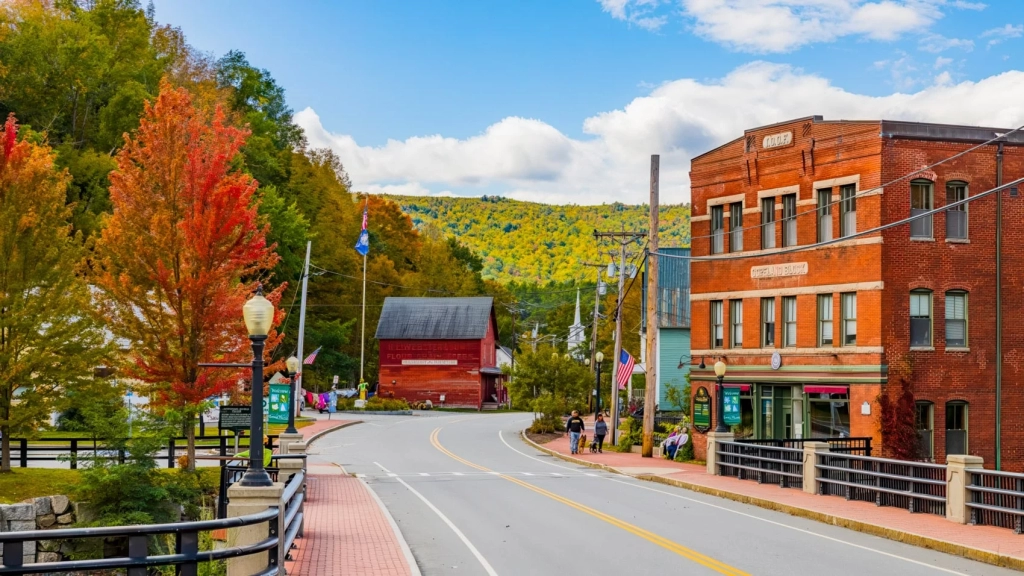 Photo credit: WIkipedia
Check out the Best Deals on Amazon for DJI Drones today!
A small town in Enfield is about to decide whether it wants a drone in the sky, and the debate sounds a lot like conversations happening across America right now.
On Monday at 6 p.m., residents will gather at Whitney Hall, 23 Main St., for a public hearing on whether the Selectboard should accept a $15,000 donation to purchase a drone for the Enfield Police Department. The hearing will also be streamed online through the town’s website, as Valley News reports.
The funding would come from the Jack and Dorothy Byrne Foundation, covering the aircraft itself, spare parts, and FAA certification training for two officers.
The aircraft has not been publicly identified yet, but at this budget level, we are likely looking at a compact public safety platform suitable for search and rescue, not a heavy tactical system. For $15,000 they could buy two DJI Mavic 3 Thermal drones so they have redundancy in case of an accident.
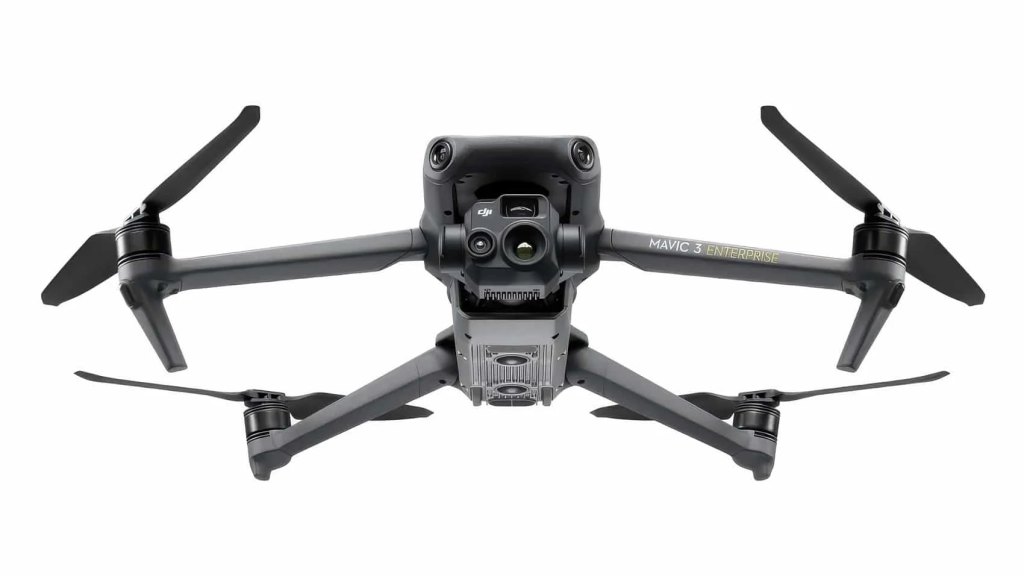 Photo credit: DJI
Still, for some board members, the issue is not hardware. It is trust.
Privacy Concerns Take Center Stage
During the Feb. 17 Selectboard meeting, Police Chief Roy Holland presented the proposal. Questions quickly turned to deployment rules and data use.
Selectboard member Erik Russell voiced concerns about what he described as “surveillance state type stuff,” though he also expressed confidence in the department’s professionalism. He encouraged the creation of a policy that would treat drone operations the same way officers are treated when entering private property.
That is a key legal and cultural point.
Drones can see over fences and rooftops without physically crossing property lines. Courts across the U.S. have wrestled with how aerial observation intersects with Fourth Amendment protections. In Enfield’s case, Chief Holland made it clear that any investigative use would require a warrant.
“If it’s used in a surveillance tactical type situation, we’ll apply for warrants,” Holland said during the meeting. “If they’re not granted, then we’ll find other means.”
Selectboard member Alice Kennedy used even stronger language, saying that when she thinks about a police drone in town, the words that come to mind are “creepy” and “invasive.” She asked Holland to bring more details about the warrant process to the public hearing.
That transparency request could end up being the deciding factor.
Search and Rescue Is the Primary Justification
Chief Holland emphasized that the drone would not be used for general surveillance. Instead, he estimates that 99 percent of deployments would be for search and rescue.
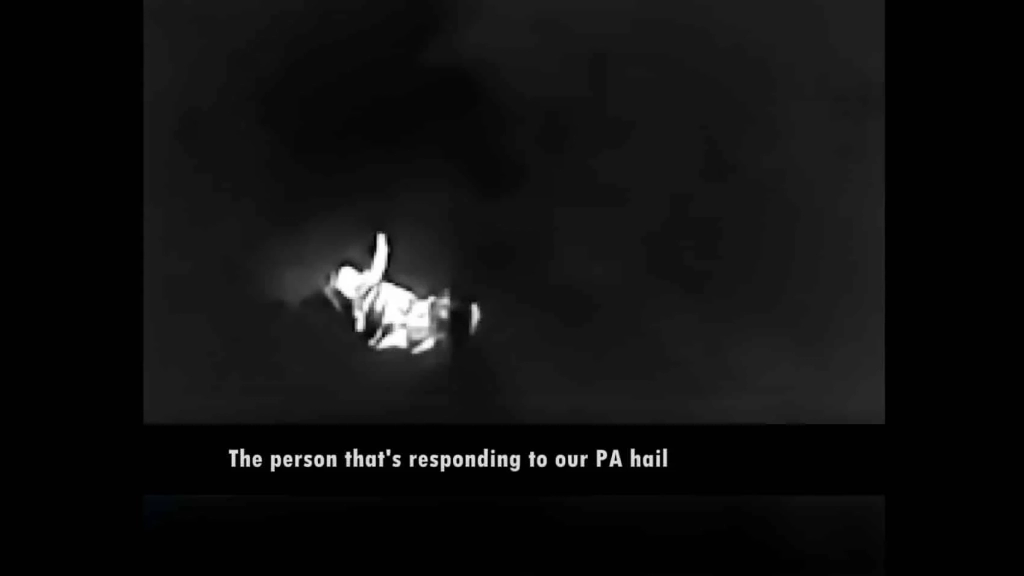 Thermal drones are top of the line in search and rescue missions
Photo credit: King County Sheriff’s
In the past five to six months alone, he said there were eight incidents where a drone would have been helpful. These included missing older adults, a juvenile who temporarily disappeared, a person with mental health challenges who entered wooded areas, and a volatile domestic situation where officers were unsure if a hostage was involved.
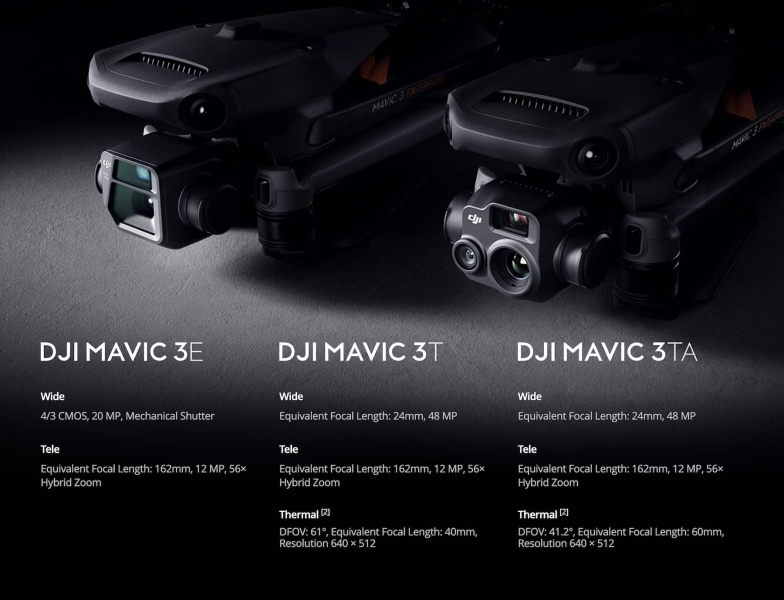 Photo credit: DJI
Enfield police reached out four times in December to the Lebanon Police Department for drone support. In two cases, the missing person was located before launch. In the other two, certified drone operators were unavailable.
That availability gap is not uncommon in smaller towns that rely on mutual aid.
Nearby agencies offer real world examples of how these systems are typically used.
The Hartford Police Department began operating drones about three years ago and now has three units. According to Chief Connie Kelley, they are deployed only a handful of times per year, primarily for missing persons, including searches near Quechee Gorge. Investigative use requires a warrant.
The Lebanon Police Department has flown drones for six years. Chief Phil Roberts says they are most often used to locate lost hikers or individuals with memory disorders who wander away.
The department’s certified pilots also use them for accident scene documentation. While the aircraft can record video, he says search and rescue operations are not filmed.
“It’s definitely not used for any surveillance,” Roberts said.
A Familiar Crossroads for Small Town America
Law enforcement drone programs are no longer unusual. Across the U.S., agencies large and small are adopting unmanned aircraft as force multipliers for search and rescue, crash reconstruction, and situational awareness.
The question in Enfield is not whether drones are effective. It is whether policy safeguards are strong enough to reassure a privacy conscious public.
For $15,000, the town could gain an aerial tool capable of covering wooded terrain in minutes rather than hours. It could also ignite a long term conversation about how emerging technology fits into a small community.
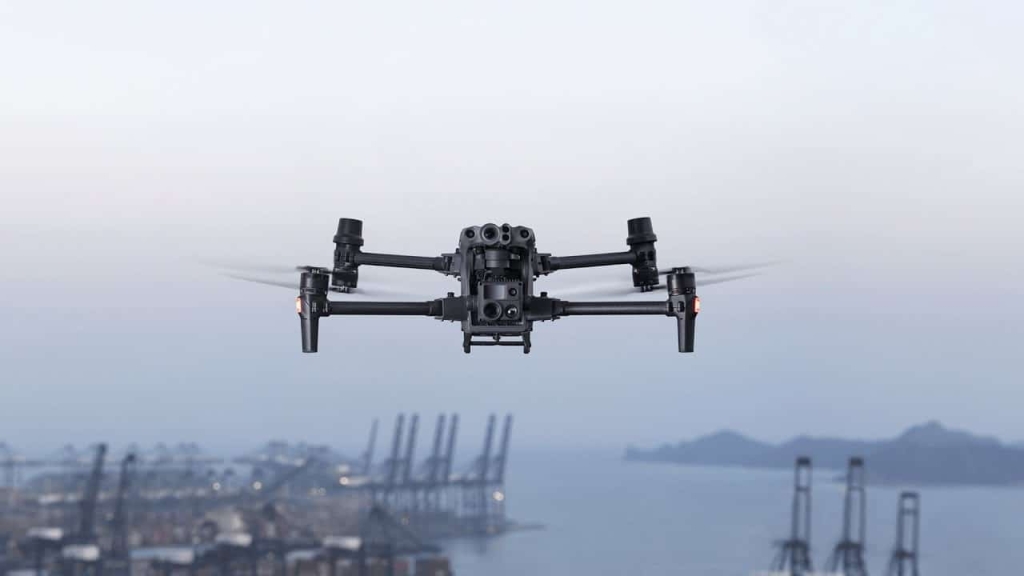 DJI Matrice 30
Photo credit: DJI
On Monday night, Enfield residents will decide whether this drone stays grounded as an idea or becomes part of the department’s toolkit.
DroneXL will be watching to see which way the wind blows.
DroneXL’s Take
This is a textbook example of the modern drone dilemma.
On one side, you have clear operational value. Missing persons, especially older adults, are time sensitive cases where aerial thermal imaging can mean the difference between a fast recovery and a tragedy. On the other side, you have legitimate privacy concerns that deserve more than a quick policy paragraph.
If Enfield approves the donation, the real work begins. Public transparency, clear deployment logs, and strict warrant adherence will determine whether this drone becomes a trusted rescue tool or a lightning rod.
Technology is neutral. Policy is not.
Photo credit: DJI, Wikipedia