
Border Patrol Bets On Tiny Drones For Big Sky Surveillance
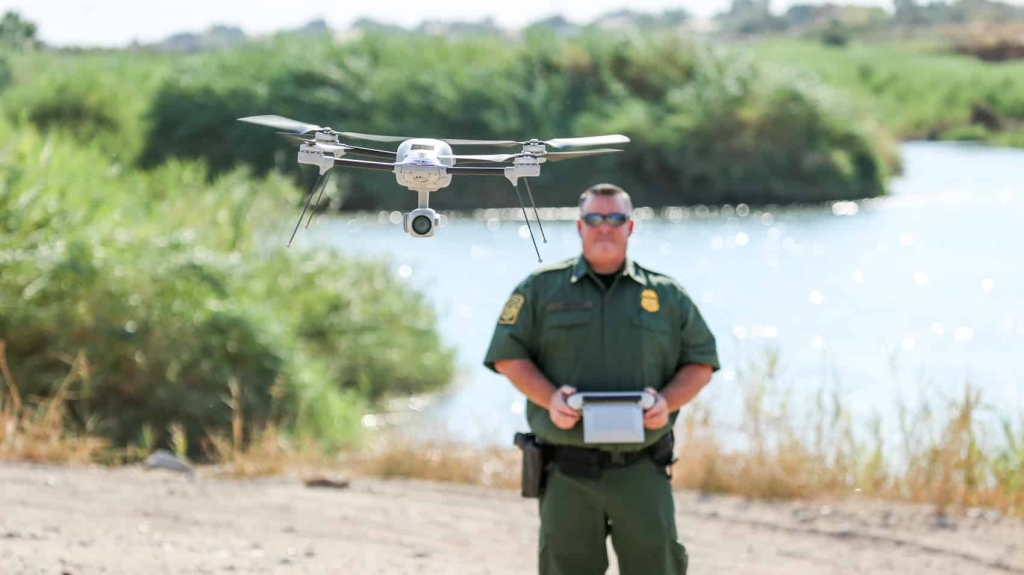 Photo credit: CBP
U.S. Customs and Border Protection is going small, very small, when it comes to drones. Instead of relying only on large, expensive aircraft, CBP is now deploying palm sized and backpack friendly drones to watch massive stretches of border terrain. Think less Predator drone, more “DJI Mini with a government ID badge.”
These small unmanned aircraft systems are changing how border surveillance works, quietly and quickly, with fewer people and faster response times, as WIRED reported.
Small Drones, Big Coverage
CBP has been expanding its small drone program at a surprising pace. Just a few years ago, these systems were rare. Today, Border Patrol operates roughly 500 small drones across nearly every sector, and that number keeps climbing.
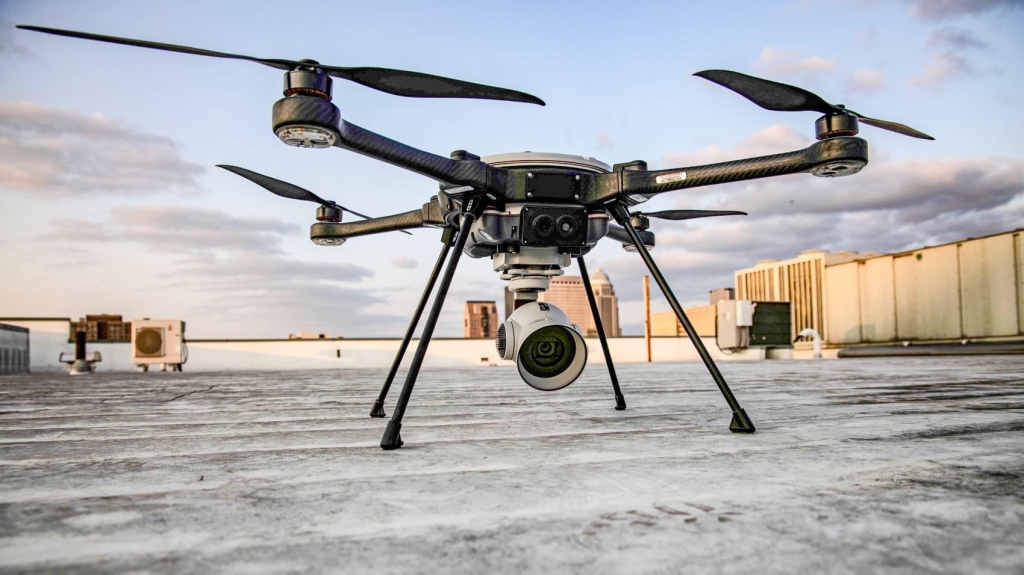 Photo credit: CBP
Why the shift? Speed and flexibility. Agents can launch these drones in minutes, no runway, no helicopter crew, no waiting. In deserts, mountains, canyons, and thick brush, these drones go where trucks and towers simply cannot.
Thanks to FAA waivers, many of these flights operate beyond visual line of sight. That means the pilot does not need to see the drone anymore. Instead, it can fly miles away while streaming live video back to command centers. For drone pilots reading this, yes, that freedom sounds dreamy.
These drones are used to spot border crossings, track movement, and locate stash sites, but they are also used for search and rescue. Finding lost or injured people in extreme heat is one of the few moments where everyone agrees drones are absolutely the right tool.
The Tech Behind the Buzzing
These are not toy drones, but they are not sci fi either. Most are based on commercial drone technology, similar in spirit to DJI platforms, but adapted for longer range, encrypted links, and government grade sensors.
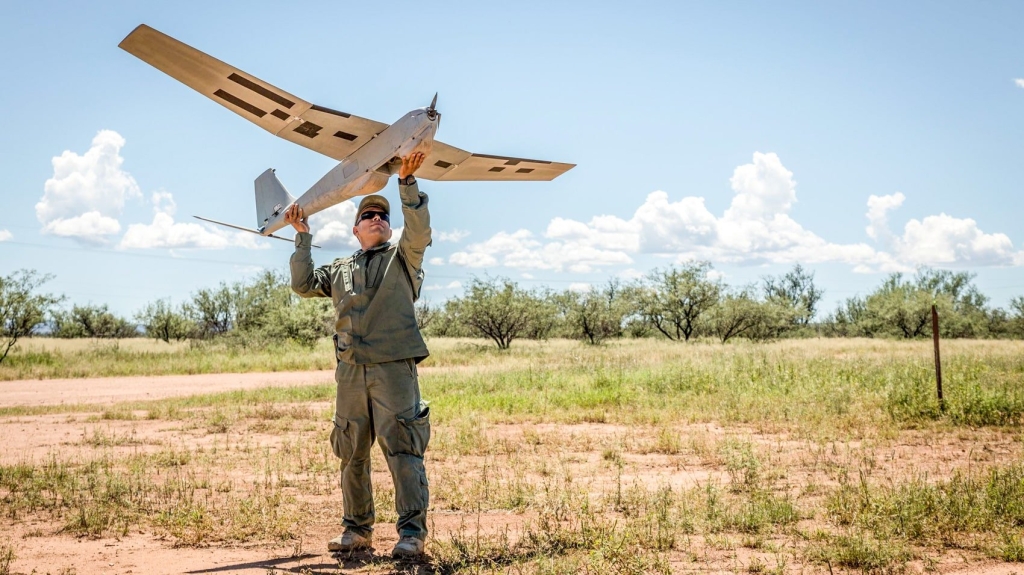 Photo credit: CBP
Thermal cameras are a big part of the package. At night, heat signatures stand out like campfires in the dark. Optical zoom helps agents identify activity from a safe distance. Some systems are starting to include software that flags unusual movement, essentially giving agents a digital tap on the shoulder.
All of this feeds into a much larger surveillance network. DHS has committed serious money to drones, sensors, and counter drone systems, reportedly up to $1.5 billion. The small drones do not replace larger aircraft like the MQ 9, but they fill the gaps, acting as fast scouts while the big platforms loiter above.
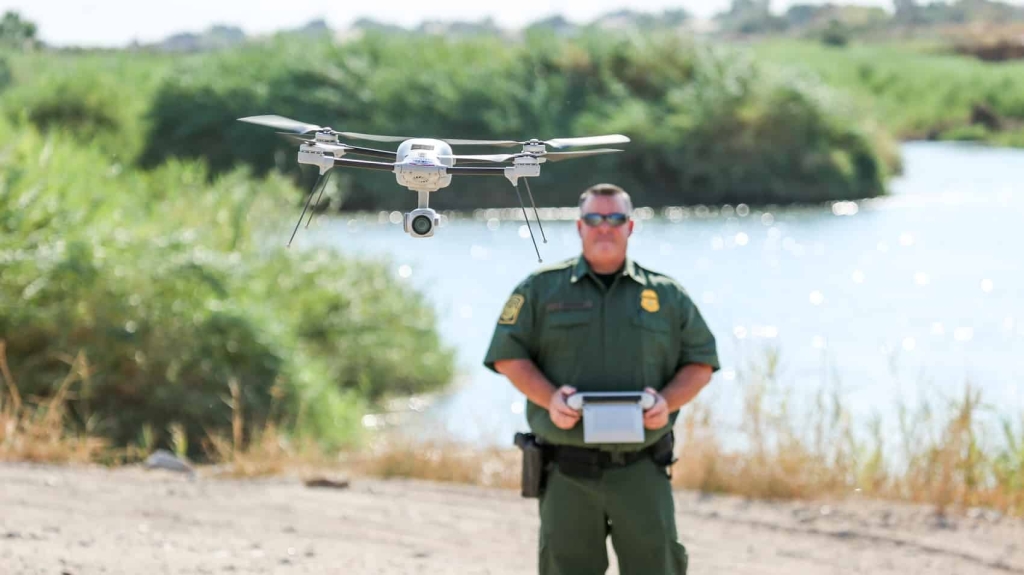 Photo credit: CBP
When the Sky Gets Crowded With Eyes
Not everyone is thrilled about this expansion. Privacy advocates argue that more drones mean more chances for surveillance to drift away from the border and into everyday life. There is already evidence that CBP drones have been used far from border zones, including during protests.
Another concern is effectiveness. Some studies suggest that increased surveillance does not stop crossings, it just pushes people into more remote and dangerous routes. More drones do not always mean fewer crossings, sometimes they just mean riskier ones.
CBP says it has strict rules for data use and storage, but critics remain skeptical. Once you combine drones with other tracking tools, it becomes very easy for the line between border security and domestic surveillance to blur.
DroneXL’s Take
From a pilot’s perspective, this move makes a lot of sense. Small drones are faster, cheaper, and safer than sending people into harsh terrain. If your goal is awareness and rapid response, these systems deliver, and frankly, they do it very well. My own Mini would love this kind of flight authorization.
That said, drones are neutral tools, but systems are not. Add AI, long range flight, and authority, and suddenly that friendly quadcopter starts feeling less like a camera and more like a question mark.
This is one of those moments where drone tech shows both its brilliance and its risk. The hardware is impressive. The applications are powerful. The oversight needs to keep up. As pilots and enthusiasts, it is worth watching closely, not just for the tech, but for how it reshapes the sky we all share.
Fly smart. Fly aware. And maybe do not assume that buzzing sound overhead is just someone chasing sunset footage anymore.
Photo credit: Wired, CBP.