
22 Dead In Terra Drone Battery Fire: CEO Arrested Within 48 Hours
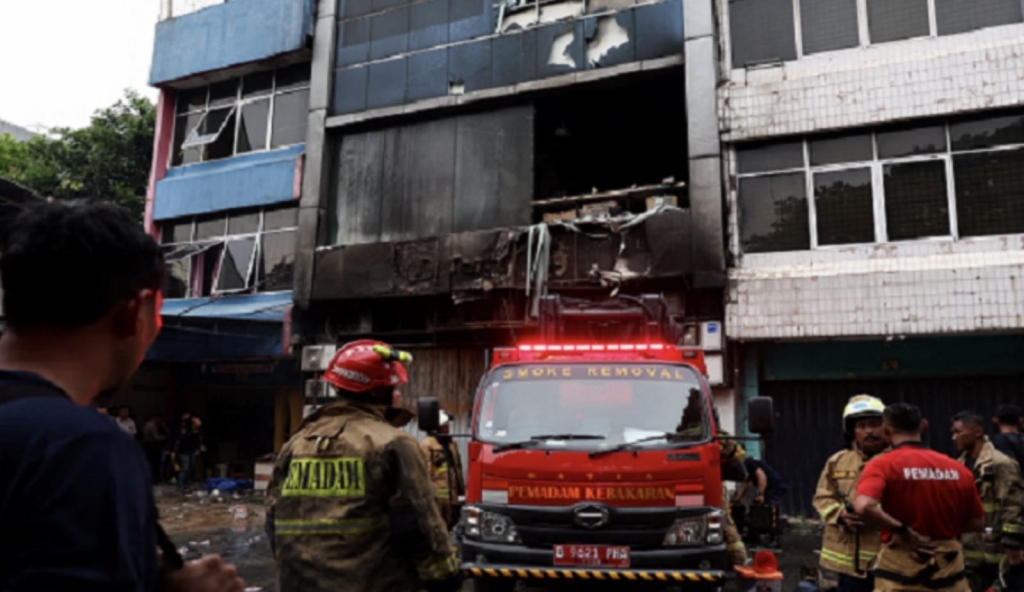 Photo credit: X
We’ve been tracking Terra Drone’s aggressive global expansion for years, but this week the world’s largest industrial drone service provider faces its darkest chapter. A fire at the company’s Jakarta office killed 22 employees on Tuesday, and Indonesian police have now arrested CEO Michael Wisnu Wardhana on negligence charges that could result in life imprisonment.
The tragedy, which police say was caused by improperly stored lithium batteries, represents one of the deadliest incidents in commercial drone industry history. It’s a stark reminder that the same battery technology powering our industry’s growth can become deadly when safety protocols fail.
According to Bloomberg, police detained Wardhana on Wednesday night at his South Jakarta apartment. Central Jakarta Police Chief Criminal Investigator Roby Heri Saputra confirmed the arrest, stating authorities are not ruling out naming additional suspects.
| Key Details | Information |
|---|---|
| Fire Date | December 9, 2025, 12:43 PM local |
| Deaths | 22 (15 women, 7 men, including 1 pregnant woman) |
| Cause | Falling stack of damaged lithium batteries |
| CEO Arrested | Michael Wisnu Wardhana, December 10, 2025 |
| Charges | Articles 187, 188, 359 of Criminal Code + Occupational Safety Law |
| Maximum Penalty | Life imprisonment |
What Caused the Fire
Police confirmed Friday that a falling stack of damaged drone batteries triggered the blaze. The batteries were stored on the first floor of the seven-story building, which housed offices, a service center, and drone battery storage operations.
Central Jakarta Police Chief Susatyo Purnomo Condro stated: “Based on information gathered so far, batteries from a drone caught fire.” The fire rapidly spread upward, filling the upper floors with thick, toxic smoke.
Critically, most of the 22 victims did not die from burns. Police confirmed that the majority succumbed to smoke inhalation and oxygen deprivation as dense smoke filled the second through sixth floors before evacuation could be completed.
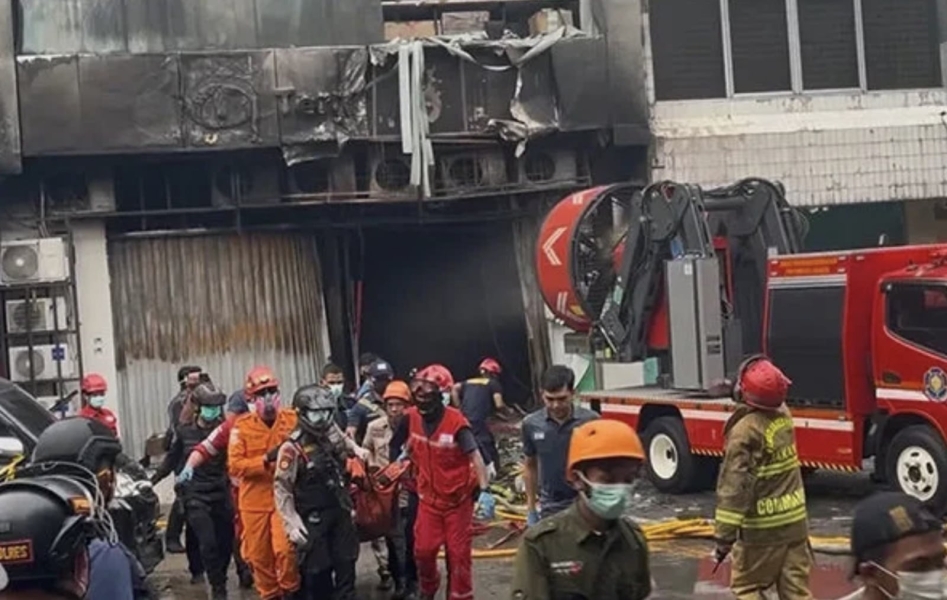 Photo credit: X
Negligence Allegations Against CEO
Investigators have detailed a damning list of alleged safety failures at the Terra Drone Indonesia facility. According to police, the company failed to:
- Establish proper safety standard operating procedures (SOPs)
- Provide battery storage areas that meet safety standards
- Appoint occupational health and safety officers
- Provide adequate emergency routes and evacuation facilities
Wardhana is charged under Articles 187, 188, and 359 of the Indonesian Criminal Code, covering acts that cause fires, negligence causing fire, and negligence resulting in death. The 1970 Occupational Safety Law adds additional charges. Combined, these carry penalties ranging from 5 to 12 years in prison, with the maximum being life imprisonment.
The building, which Terra Drone Indonesia has occupied since 2023, is now under investigation for fire code compliance. Police are coordinating with Jakarta’s Department of Public Works to verify whether the building’s actual use matched its permits.
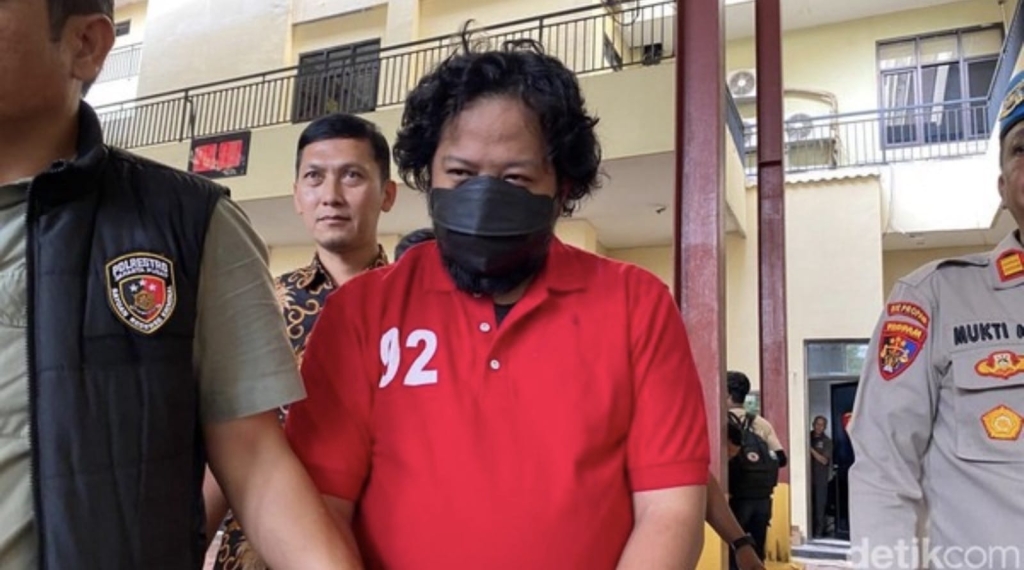 Photo credit: X
Terra Drone’s Global Empire
The fire comes at a critical moment for Terra Drone Corporation. The Japanese company, founded in 2016 by CEO Toru Tokushige, went public on the Tokyo Stock Exchange in November 2024 (ticker: 278A) and has been ranked the world’s largest industrial drone service provider by Drone Industry Insights.
Terra Drone has aggressively expanded through strategic acquisitions and partnerships. The company acquired Belgium-based Unifly, a leading UTM provider, in 2023. Earlier this year, we covered Terra Drone’s investment in U.S.-based Aloft Technologies, making it the largest shareholder and positioning the company at the intersection of European, American, and Asian drone markets.
In April, we reported on Terra Drone’s partnership with Saudi Aramco for oil facility inspections, potentially worth billions of yen. Just last month, Terra Drone Indonesia secured local content certification for its G20 agricultural drone, opening doors to Indonesian government contracts.
With over 3,000 completed drone projects worldwide, 624 employees globally, and a market capitalization of approximately $268 million, Terra Drone had positioned itself as a model for the drone services industry. That reputation is now in question.
Parent Company Response
Terra Drone Corporation’s headquarters in Tokyo released a statement saying the company “hasn’t been able to confirm the arrest” of Wardhana (referred to in some reports as Michael W W Siagian). The parent company stated it is “taking the matter seriously and will cooperate fully with authorities.”
Terra Drone Indonesia’s HR representative, Umaidi Suhari, pledged that the company would fulfill all victim entitlements under Indonesian labor law, including social security claims, death benefits, and condolence payments to families. This includes both permanent staff and interns who were among the victims.
However, Wardhana’s legal team has challenged the arrest process, claiming it was conducted without a valid warrant and that the suspect’s rights were not fully met. They have demanded police explain the legal basis and evidence used in the arrest.
DroneXL’s Take
This tragedy should serve as a wake-up call for the entire drone industry. As commercial drone operations scale up, so does the volume of lithium batteries being stored, charged, and serviced at facilities worldwide. The Terra Drone fire demonstrates what can happen when battery safety protocols are inadequate or ignored.
We’ve covered drone battery safety extensively, and the principles that apply to individual pilots apply exponentially to commercial operations handling dozens or hundreds of batteries. Proper storage in fire-resistant containers, climate-controlled environments, and separation from ignition sources aren’t optional, they’re essential.
Earlier this year, we reported on a Skydio X10 drone fire in New York City caused by a battery connector failure. That incident, while far less deadly, highlighted similar concerns about battery management in high-tempo drone operations. The Terra Drone fire is that same risk at industrial scale with catastrophic consequences.
Terra Drone built an impressive global empire through acquisitions like Unifly and advanced UTM technology. But technology leadership means nothing if basic workplace safety is neglected. The alleged failures here, no safety SOPs, no proper battery storage, no designated safety officers, no adequate evacuation routes, represent fundamental operational negligence, not an unforeseen accident.
For the 22 workers who lost their lives, including a pregnant woman, the consequences of that negligence were fatal. For the drone industry, this must become a turning point in how we approach operational safety at scale.
What do you think about this tragedy? Should the drone industry implement mandatory safety standards for battery storage at commercial facilities? Share your thoughts in the comments below.