
Santa Maria PD Eyes Drones For 90 Second Response
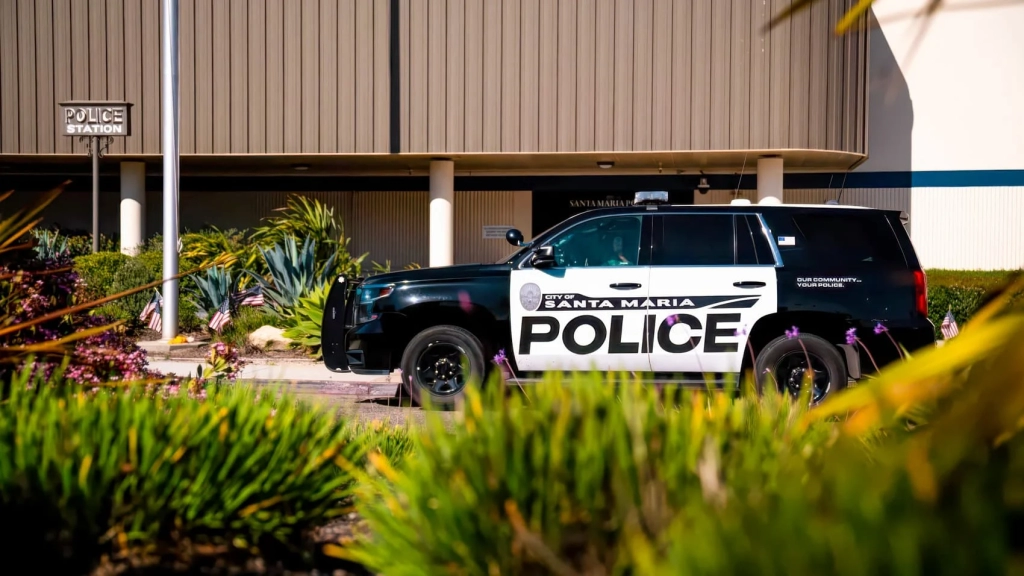 Photo credit: Santa Maria Police Department
Check out the Best Deals on Amazon for DJI Drones today!
Santa Maria Police Department wants to shave precious seconds off emergency response times, and they are looking up to do it.
The department is exploring a Drone as a First Responder program, also known as DFR, that could put a drone over an emergency scene in under two minutes. In many cases, that means the drone arrives before the patrol car does, as KSBY reports.
Right now, Santa Maria PD already operates four drones, which appear to include DJI Mavic 2 Pro models purchased after the Santa Maria Police Council raised nearly $20,000 during its 2017 golf tournament.
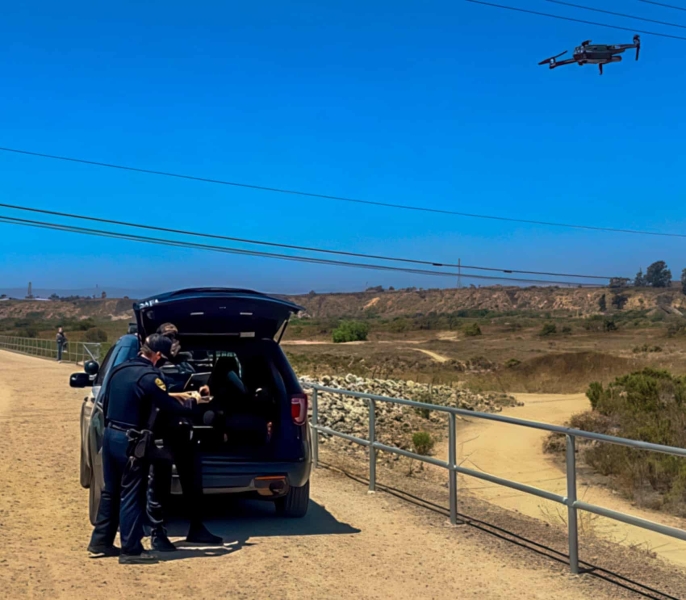 Photo credit: Santa Maria Police Department
Those drones are used in limited situations. The proposed program would take things much further.
From Trunk Launch to Pod Launch
Instead of pulling a drone out of a patrol vehicle, the new system would rely on launch pods placed strategically around the city. When a qualifying call comes in, a remote pilot can press a button and send the drone straight to the scene.
According to Chief Christopher Williams, the goal is simple: speed and information.
The department says it can get eyes on a call for service in less than 90 seconds on average. Compare that to the current three to four minute average response time for priority calls, depending on traffic and officer availability. In a tense situation, that time gap can feel like a canyon.
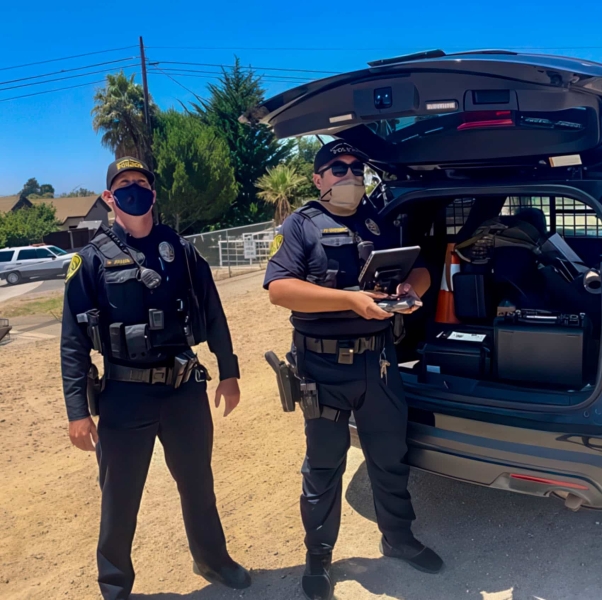 Photo credit: Santa Maria Police Department
The drones would not just be flying cameras. They could be equipped with speakers, lights, and even the ability to deliver small emergency supplies. Think Narcan, medical kits, or other lightweight gear that could bridge the gap before officers or paramedics arrive.
Williams also framed the program as a force multiplier. One trained drone pilot, he said, can effectively do the work of two officers by providing overwatch and live intelligence.
For departments facing staffing shortages or budget pressure, that kind of efficiency is attractive.
Funding and Community Concerns
The Santa Maria Police Council, a nonprofit that supports equipment and training needs, is considering helping fund the program. Community partnerships and potential city support could make it financially feasible.
But not everyone is fully on board.
Some residents see the benefits. Others worry about misuse. One local resident voiced concern that the drones could be abused if not properly controlled.
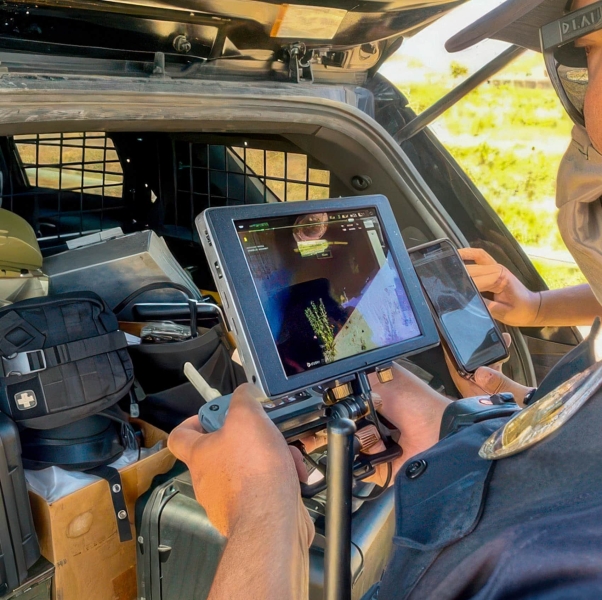 Photo credit: Santa Maria Police Department
Police leadership has been clear that the drones would only respond to specific calls for service, not conduct random patrols. Chief Williams emphasized that existing privacy laws still apply. If officers do not have the legal right to look into a backyard, the drone will not be used to do so either.
That legal framework did not appear overnight. Developing the program has taken years. Santa Maria’s two person drone team had to earn FAA licenses, and progress was slowed during the COVID period. The department also worked on drafting policies designed to protect civil and privacy rights.
In other words, this is not a sudden leap into the sky. It is a slow climb.
DJI Roots and a Broader Trend
It is worth noting that Santa Maria PD already has experience with DJI hardware, likely the Mavic 2 Pro, a platform that became a staple for many agencies before the recent shift toward US made systems in public safety.
If Santa Maria moves forward with a full DFR program, the big question will be platform choice. Many agencies implementing Drone as First Responder programs today are opting for dock based systems that can handle autonomous launch, charging, and secure data workflows.
Across the US, DFR programs are gaining traction. Departments report faster situational awareness, better de escalation in some cases, and more efficient deployment of limited personnel.
But the privacy debate always follows close behind. A drone in the sky can feel very different from a patrol car on the street, even if both are governed by the same laws.
DroneXL’s Take
Santa Maria is not trying to replace officers with robots. It is trying to compress time, and in emergency response, time is oxygen. The challenge will not be the technology. Launch pods and remote pilots are already proven elsewhere. The real test will be transparency, policy clarity, and community trust.
If they get those three right, the drone becomes just another tool on the belt. If they get them wrong, the optics could outweigh the operational gains.
Either way, the era of the patrol car as the first set of eyes on scene is quietly being rewritten by a small aircraft that can be airborne in seconds.
Photo credit: Santa Maria Police Department