
Ohio Launches Statewide Drone First Responder Pilot
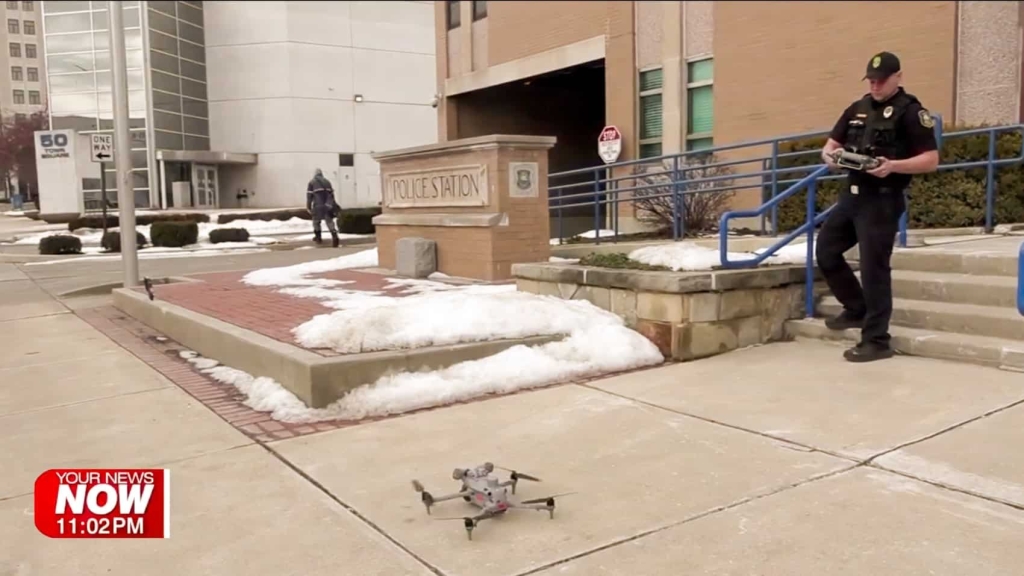 Photo credit: Hometown Stations
Check out the Best Deals on Amazon for DJI Drones today!
Ohio is not dipping a toe into Drone as First Responder. It is building a runway.
The Ohio Department of Transportation, through DriveOhio, has selected nine public safety agencies for the Ohio Statewide Drone First Responder Pilot Program, a coordinated effort to integrate rapid launch drone systems directly into emergency dispatch workflows across the state, as Hometown Stations reports.
One of those agencies is the Lima Police Department, and during early demonstrations, sharp eyed observers could see officers operating a DJI Matrice 4TD, one of the most capable platforms DJI currently offers for DFR and search and rescue missions.
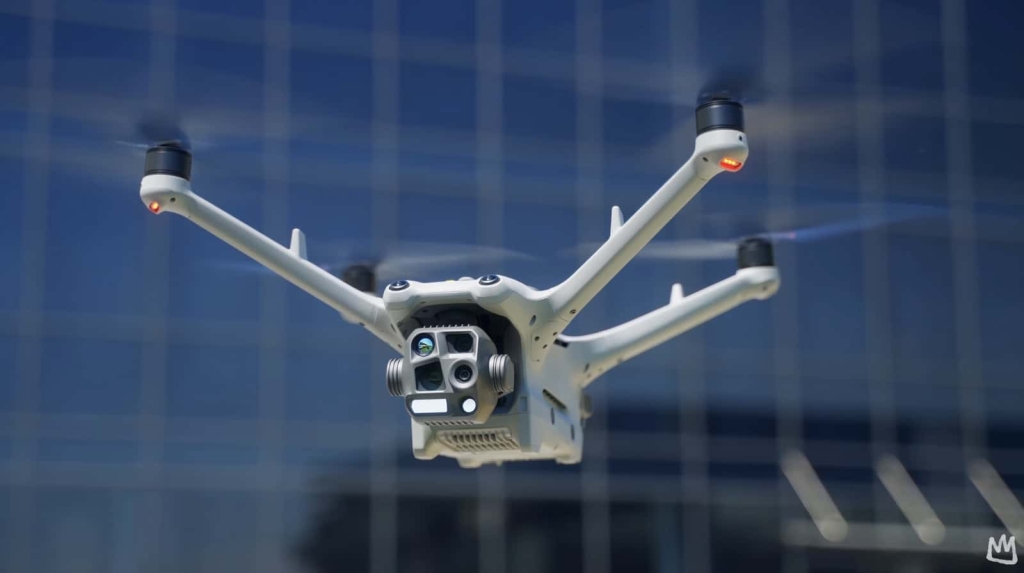 DJI Matrice 4 TD
Photo credit: DJI
That detail matters.
Nine Agencies, One Coordinated Vision
The pilot program, announced February 9, 2026, brings together a diverse group of agencies:
- City of Springfield Police Fire EMS
- Athens Police Department
- Lima Police Department
- Toledo Police Department
- Violet Township Fire EMS
- Austintown Fire Department
- City of Hamilton Police Fire EMS
- Amherst Police Department
- Kelleys Island Fire EMS
Created under Ohio House Bill 96, the program is led by ODOT and DriveOhio, with program management support from SkyfireAI and integration into Ohio’s UAS traffic management framework through CAL Analytics.
Governor Mike DeWine framed the initiative as part of Ohio’s broader push to modernize emergency response while maintaining safety and public trust.
At its core, the program focuses on drone in a box systems. These permanently installed docking stations allow a drone to launch automatically when certain high priority calls come in, arrive on scene before officers, and stream real time video back to command staff. An officer can take manual control if needed.
The result is not just faster response. It is earlier intelligence.
Lima’s Demo Showed the Value
Lima Police already operate drones, but the pilot will push them toward fully automated deployment integrated with dispatch.
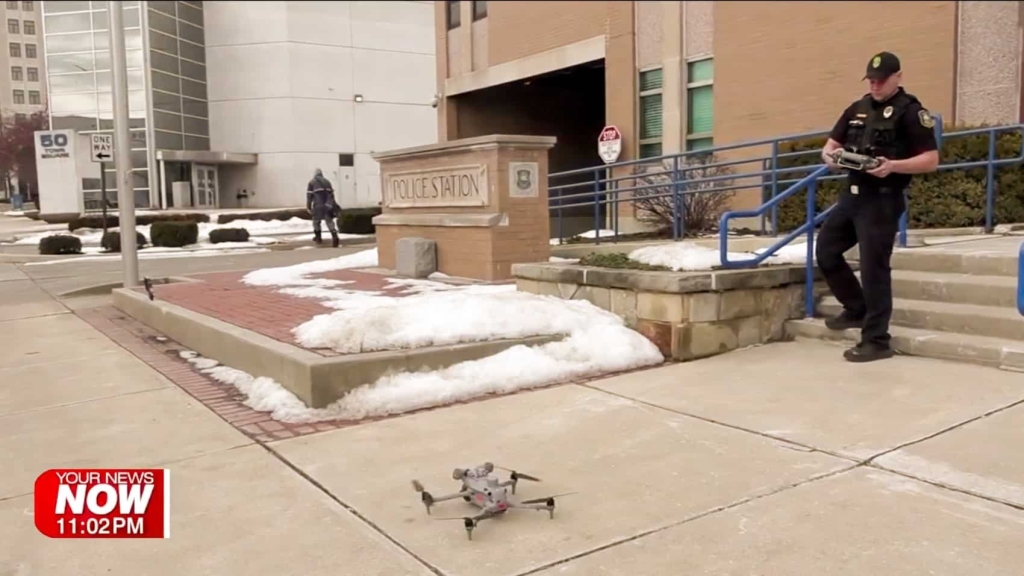 Photo credit: Hometown Stations
During a vendor demonstration, a simulated 911 call reported a violent suspect destroying property. The drone launched before officers arrived and quickly located the suspect attempting to flee. Live aerial video allowed officers to intercept and arrest him.
Lt. Ben Thompson noted that without the drone’s overhead perspective, they likely would not have located the suspect as quickly.
The platform seen in use, the DJI Matrice 4TD, is particularly well suited for these scenarios. Built for enterprise and public safety operations, it offers advanced thermal imaging, powerful zoom capabilities, and robust flight performance in demanding conditions.
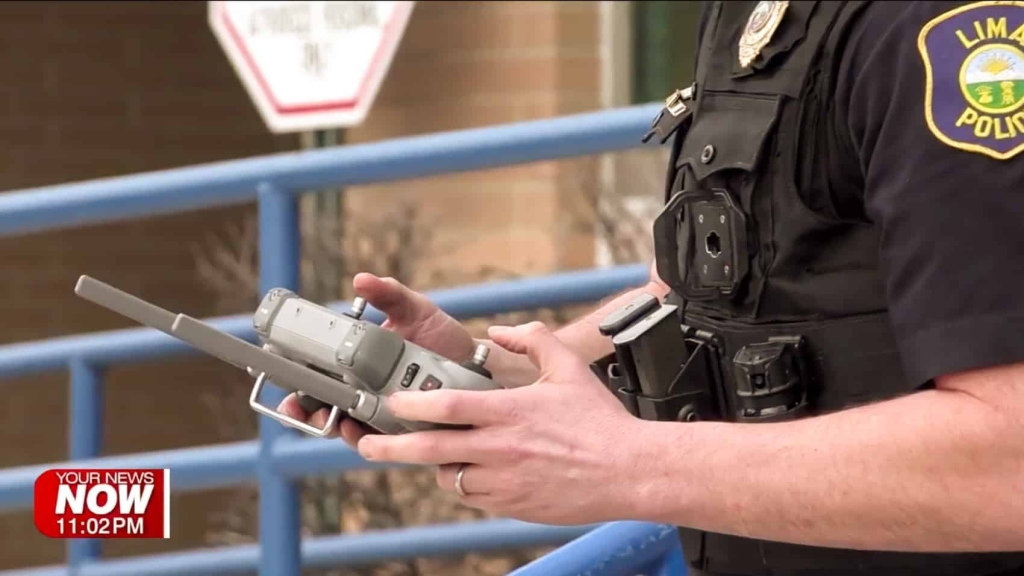 Photo credit: Hometown Stations
For DFR and search and rescue missions, those features translate into faster suspect location, safer perimeter assessments, and improved decision making before boots hit the ground.
In a DFR model, altitude becomes awareness.
A Statewide Blueprint in the Making
Selected agencies will begin onboarding in early 2026, including vendor evaluations in Springfield, structured training, and coordinated rollout planning. Operations are expected to begin in Spring 2026 and run for approximately one year.
Throughout the pilot, Ohio will measure response times, operational effectiveness, and safety outcomes. The goal is not experimentation for its own sake. It is the creation of a scalable, standardized DFR framework that can function across urban centers, suburbs, and rural communities.
Ohio is attempting something no other state has done at this level: build an interconnected aerial safety net rather than isolated drone programs.
DroneXL’s Take
This is the most serious statewide DFR effort in the country right now.
Local programs have already proven that Drone as First Responder reduces response times and improves situational awareness. Ohio is now testing whether that success can scale across an entire state under unified governance.
The appearance of a DJI Matrice 4TD in early demonstrations signals that agencies are leaning toward high end, mission ready platforms rather than entry level systems. For DFR and search and rescue, reliability, thermal capability, and integration matter more than price tags.
If Ohio can show measurable improvements in officer safety and emergency outcomes while maintaining transparency with the public, this pilot could become the template other states follow.
The runway is built. Now we watch the takeoff.
Photo credit: Hometown Stations, DJI.