
NATO’s Arctic Drone Gap Is Widening
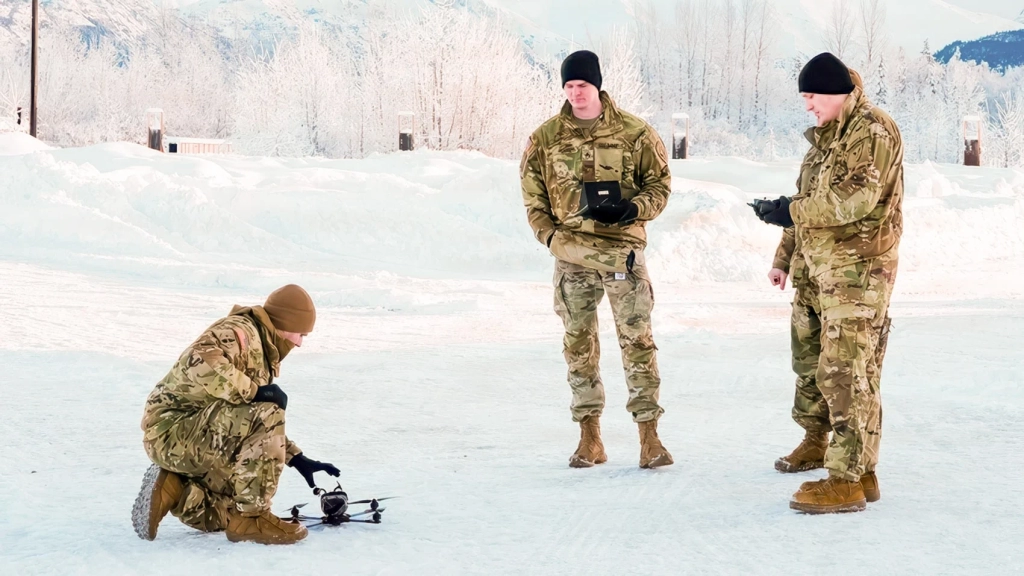 Photo credit: DVIDS
Check out the Best Deals on Amazon for DJI Drones today!
The Arctic is not just ice, polar bears, and dramatic submarine photos anymore.
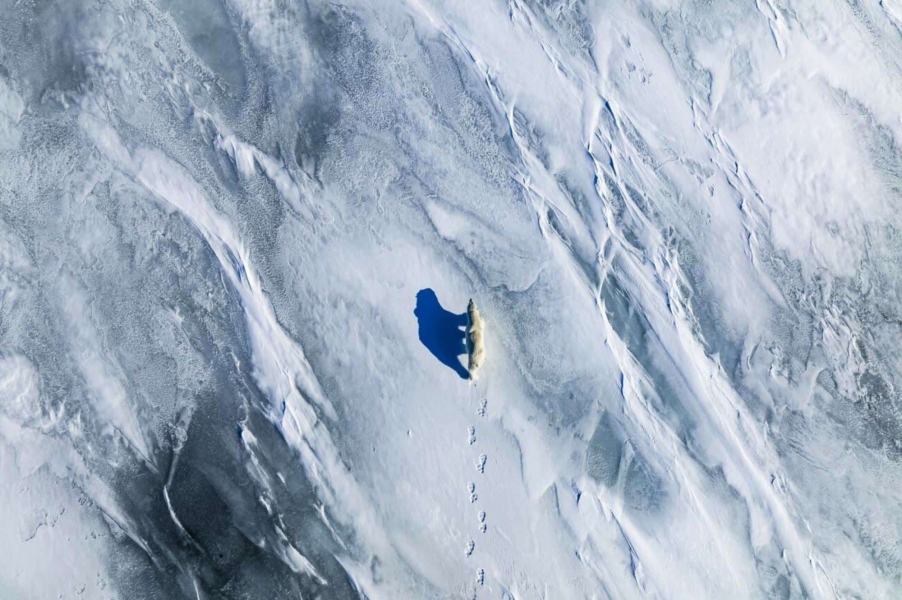 “On the thin ice”
Photo credit: Florian Ledoux.
It is becoming a laboratory for drone warfare.
Since Russia’s full scale invasion of Ukraine, the High North has shifted from geopolitical afterthought to frontline chessboard. As NATO Arctic members debate deterrence and ramp up exercises, one uncomfortable reality is surfacing, as Defense News reports.
Russia is moving faster on drones.
Moscow is scaling, NATO is debating
In Ukraine, Moscow learned the hard way that modern warfare runs on batteries, propellers, and cheap airframes produced in industrial quantities. Now it is institutionalizing those lessons.
Russia has created a dedicated uncrewed systems branch, expanded operator training pipelines, and integrated drone units across its joint force, including the Northern Fleet.
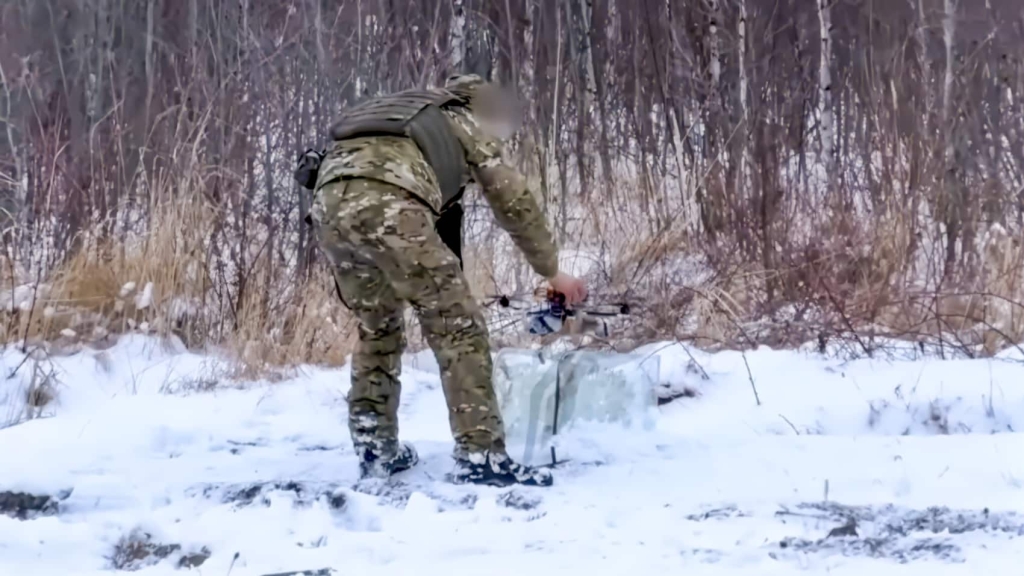 Photo credit: Preston Stewart Youtube Channel
Annual production reportedly exceeds 1.5 million units, with expectations of further growth fueled by Chinese industrial support and sanctions workarounds.
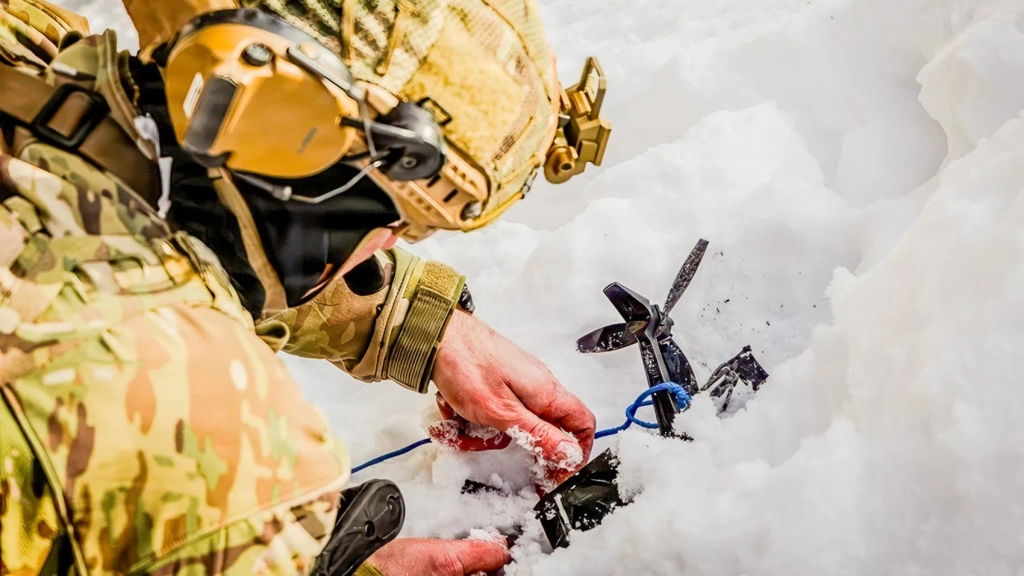 Photo credit: DVIDS
In the Arctic, drones would act as force multipliers. Persistent ISR along Arctic coastlines and the Northern Sea Route. Cueing coastal defense systems. Supporting anti submarine operations. Launching one way attack drones alongside traditional missiles. Layer it with cyber and electronic warfare and you have a dense, messy, digitally contested battlespace.
NATO, meanwhile, is still arguing about PowerPoint.
The alliance has submarines, icebreakers, maritime patrol aircraft and fighter jets. Essential tools. Expensive tools. Limited in number and difficult to sustain in extreme conditions. None of them can be everywhere at once across thousands of miles of frozen ocean.
Drones can.
The Arctic eats batteries for breakfast
Here is the catch. The Arctic is not friendly to electronics.
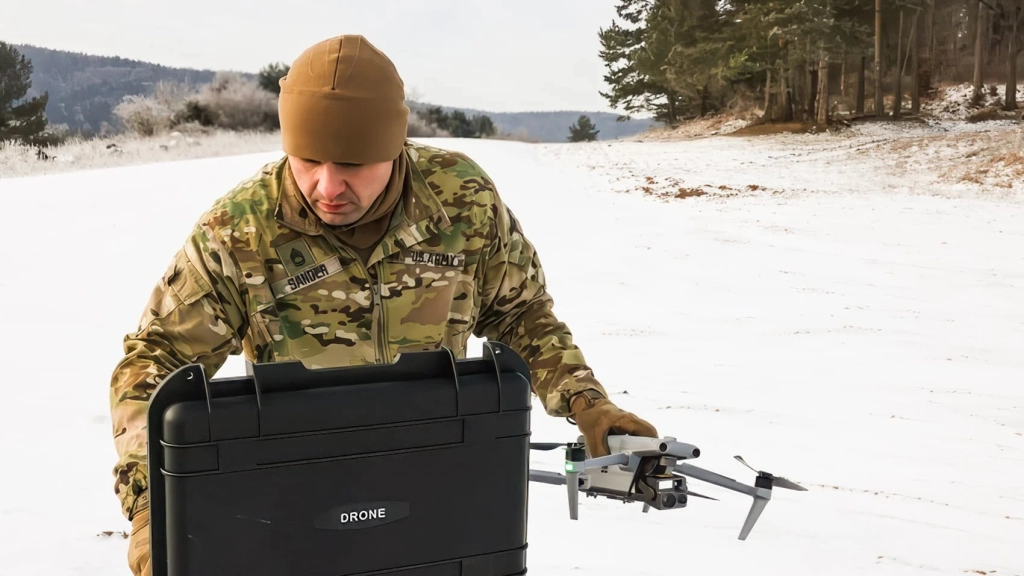 Photo credit: DVIDS
Extreme cold crushes battery performance. Ice forms on propellers and sensors. Communications degrade. Satellite coverage above 75 degrees north becomes unreliable. Corrosion accelerates wear. Logistics become a puzzle with missing pieces.
Many NATO systems were not designed for this environment. Cold weather certification is limited. Infrastructure is sparse. Repair facilities are few. Airfields and ports are scattered and vulnerable.
Operating drones at scale in the Arctic requires more than buying quadcopters and painting them white.
It demands autonomous navigation in GNSS denied conditions. Resilient command and control. Hardened components. Sustainment plans that assume nothing works the first time.
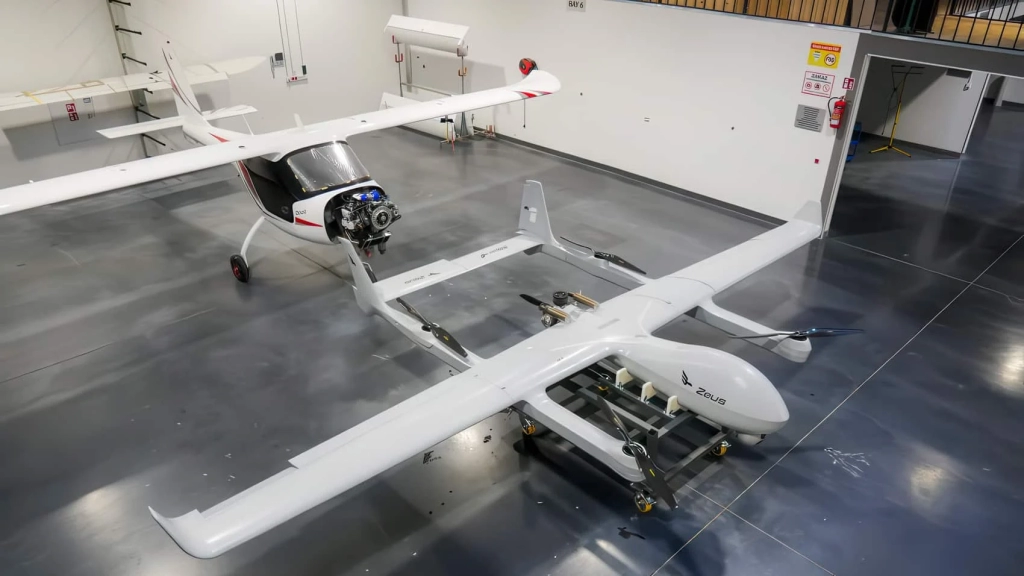 Perhaps something like this!
Photo credit: Ekolot
Technology does not function in a vacuum. It freezes in one.
Doctrine still treats drones like sidekicks
Even where NATO fields capable systems, institutional friction slows impact.
Alliance doctrine still often frames drones as supporting actors rather than central pillars of deterrence. Commanders lack mature concepts for large scale human machine teaming in extreme environments against a drone saturated adversary.
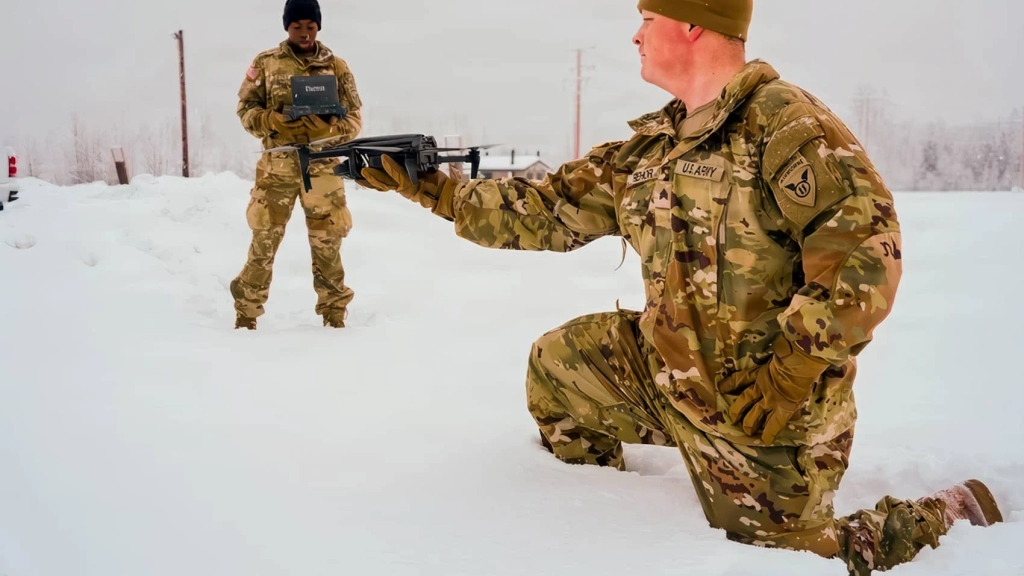 Photo credit: DVIDS
Russia, by contrast, is embedding uncrewed expertise across its force structure at speed.
Personnel is another bottleneck. Skilled operators, AI specialists, software engineers, and maintainers are in short supply across many NATO countries. Autonomy helps, but someone still has to build, program, maintain, and integrate these systems into real operations.
And procurement remains slow and fragmented. Innovation initiatives are growing, and European financing mechanisms like the European Investment Fund are backing defense startups, but scaling from pilot projects to mass deployment remains painful.
Meanwhile, Russia mass produces, adapts, and iterates.
Quantity versus quality is the wrong debate
The Arctic will not be defended by a handful of exquisite systems alone.
Effective deterrence demands a high low mix. Traditional platforms such as submarines and fighters remain vital. But uncrewed systems provide persistence, scale, and cost efficiency that crewed assets cannot match.
Without a strong, collective demand signal for tactical ISR drones, loitering munitions, and uncrewed logistics vehicles, NATO risks paying premium prices for bespoke solutions while Russia floods the region with battle hardened platforms.
Drones are not silver bullets. They will not replace submarines or icebreakers.
But in the Arctic, where distances are vast and infrastructure thin, they may be the only practical way to maintain continuous awareness and credible response.
DroneXL’s Take
The High North is becoming a stress test for large scale robotization of warfare.
Russia is treating drones as core infrastructure. NATO still treats them as upgrades.
If the alliance does not accelerate Arctic ready procurement, doctrine development, training, and sustainment, it will face a simple arithmetic problem. More Russian drones, more often, in more places.
In an environment where even your coffee freezes mid sentence, speed of adaptation matters.
The Arctic does not forgive complacency. And it definitely does not care about committee schedules.
Photo credit: DVIDS, Ekolot, Florian Ledoux, Preston Stewart Youtube Channel.