
 Photo credit: APT
Check out the Best Deals on Amazon for DJI Drones today!
Mexico is building a layered security bubble for the 2026 FIFA World Cup, and it looks like something designed by a defense contractor who binge watched science fiction.
 Photo credit: FIFA
With matches hosted across Mexico, United States, and Canada, security agencies are preparing for crowded stadiums, global media attention, and one modern headache that simply did not exist decades ago. Consumer drones.
And Mexico is not taking chances.
Anti Drone Systems Guard the Skies
On February 11, 2026, Mexico’s Secretariat of National Defense unveiled advanced counter drone systems at a military facility in Mexico City. The message was clear. The airspace above stadiums will be tightly controlled, as Reuters reported.
The defense setup includes radio frequency jammers that disrupt control signals, detection radars scanning several kilometers out, electro optical tracking systems, and handheld anti drone rifles for targeted neutralization.
 Photo credit: APT
Mobile units mounted on trucks allow flexible deployment, while semi fixed installations protect high priority venues.
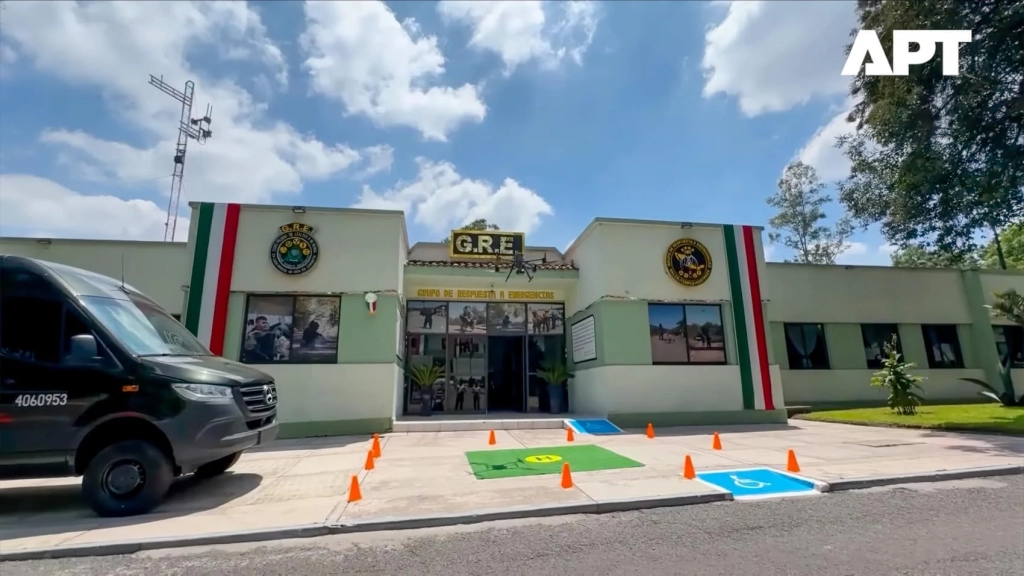 Photo credit: APT
Key locations include:
- Estadio Azteca
- Estadio Akron
- Estadio BBVA
The focus is on forcing unauthorized drones to land rather than destroying them. That approach reduces risk, avoids debris over crowds, and aligns with aviation regulations. Only approved drones, such as those operated by media or official security teams, will be permitted inside restricted airspace.
Mexico’s National Defence Emergency Response Group has reportedly been training since 2021, with expanded capabilities rolled out in late 2025.
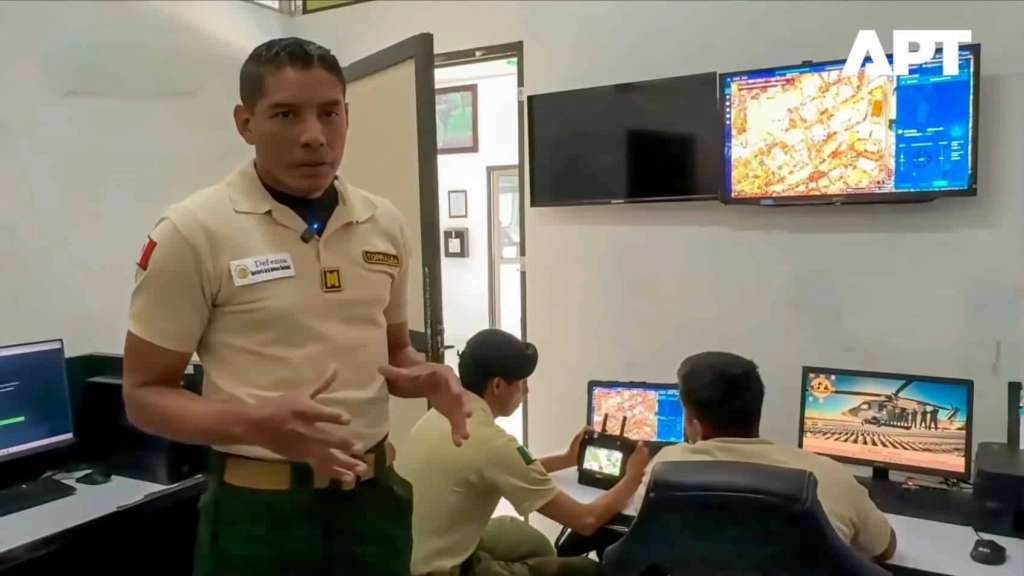 Photo credit: APT
The buildup mirrors similar investments in the United States, where federal agencies have committed significant funding to counter drone programs ahead of the tournament.
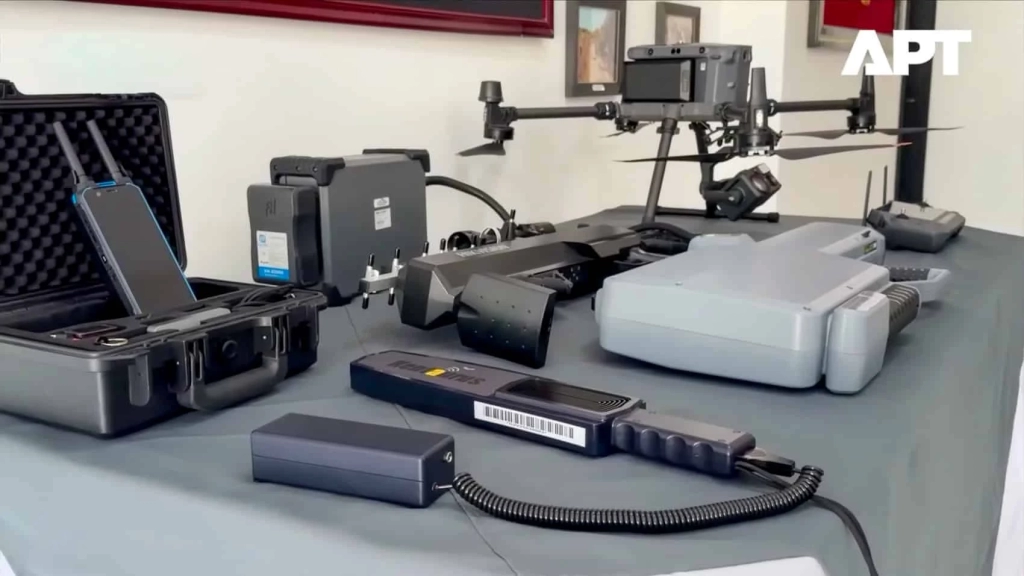 Photo credit: APT
The concern is not theoretical. Drones are affordable, powerful, and easy to operate. At a mega event hosting millions, even a single unauthorized flight can trigger panic, disrupt broadcasts, or create a serious security incident.
Robotic Dogs Hit the Ground
While the skies get jammers and radars, the ground gets something even more futuristic.
In Guadalupe, part of the Monterrey metro area, police have introduced a K9 X unit made up of four robotic dogs based on the Unitree Go2 platform from Unitree Robotics.
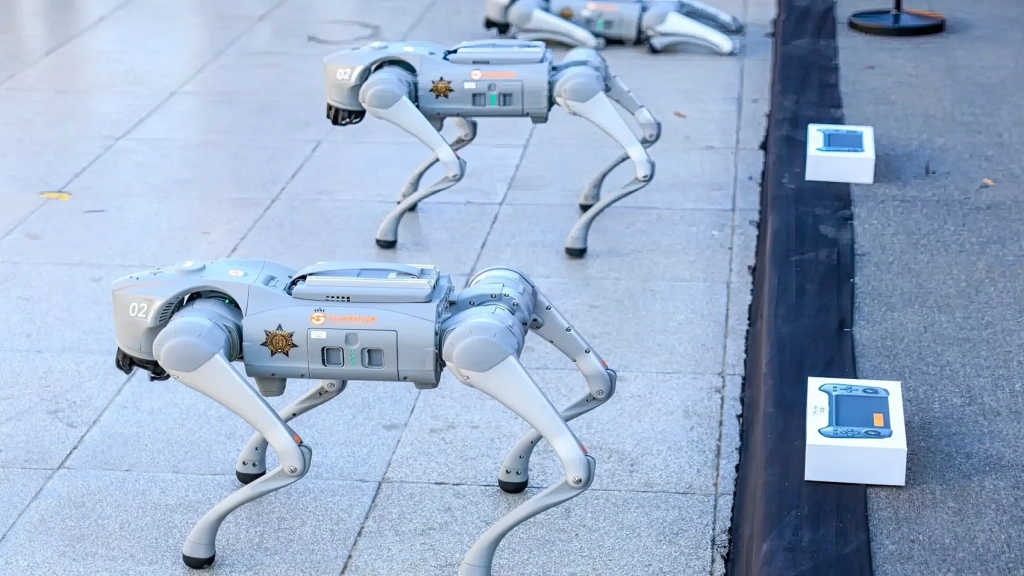 Photo credit: Municipalidad de Guadalupe
Each robotic dog is equipped with lidar sensors, cameras, night vision, and two way audio. Officers operate them remotely, receiving real time video feeds while maintaining a safe distance.
Their role is first contact and reconnaissance. The robots can enter buildings, navigate stairs, patrol stadium corridors, and communicate with suspects through onboard speakers. They are not armed. They are essentially mobile sensor platforms with a voice.
The BBVA Stadium, temporarily referred to as Estadio Monterrey for the tournament, will be one of the venues where these units operate. The municipality invested roughly 2.5 million Mexican pesos in the program.
It is a clear signal that large scale sporting events are becoming showcases for advanced public safety technology.
The Real K9s Might Have Opinions
There is, however, one stakeholder group that might feel slightly replaced: the real dogs.
Somewhere in Guadalupe, an experienced police German Shepherd is watching a battery powered quadruped climb stairs without panting and thinking this is highly suspicious career development. The robot never asks for treats. It never sheds. It does not get distracted by a stray hot dog near the stadium entrance.
But let’s be honest. No robot will ever master the art of dramatic tail wagging. No lidar array can replicate the pure joy of hearing “good boy.” Circuits are efficient, but they do not drool with enthusiasm.
The robots extend the reach of officers. The real dogs still own the soul of the unit.
DroneXL’s Take
Mexico’s layered strategy shows how seriously host nations now treat drone threats. Counter drone systems are no longer optional at global events. They are standard infrastructure, just like perimeter fencing and CCTV.
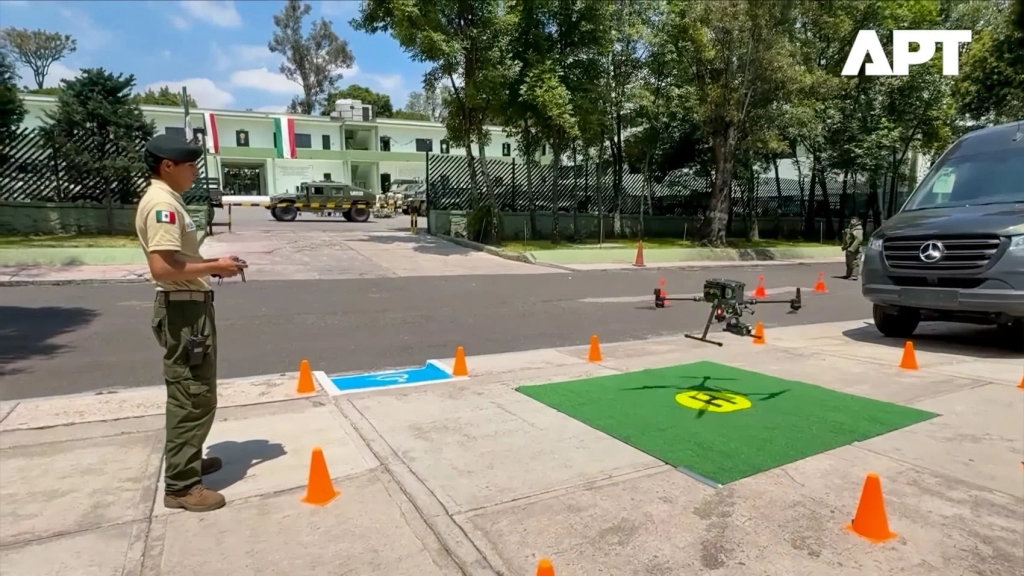 Photo credit: APT
The addition of robotic dogs highlights a broader trend. Security is becoming more autonomous, more sensor driven, and more data focused. Expect to see similar deployments at future Olympics, World Cups, and political summits.
For drone pilots, the message is simple. Airspace around major events will be locked down hard. For the industry, it is another reminder that drones are powerful tools that demand responsible use.
And for the real K9 officers, relax. The robots may patrol the concrete, but they will never be a good boi.
Photo credit: Municipalidad de Guadalupe, FIFA, APT.