
FEMA’s $500M Counter-Drone Program Launches With World Cup Funding
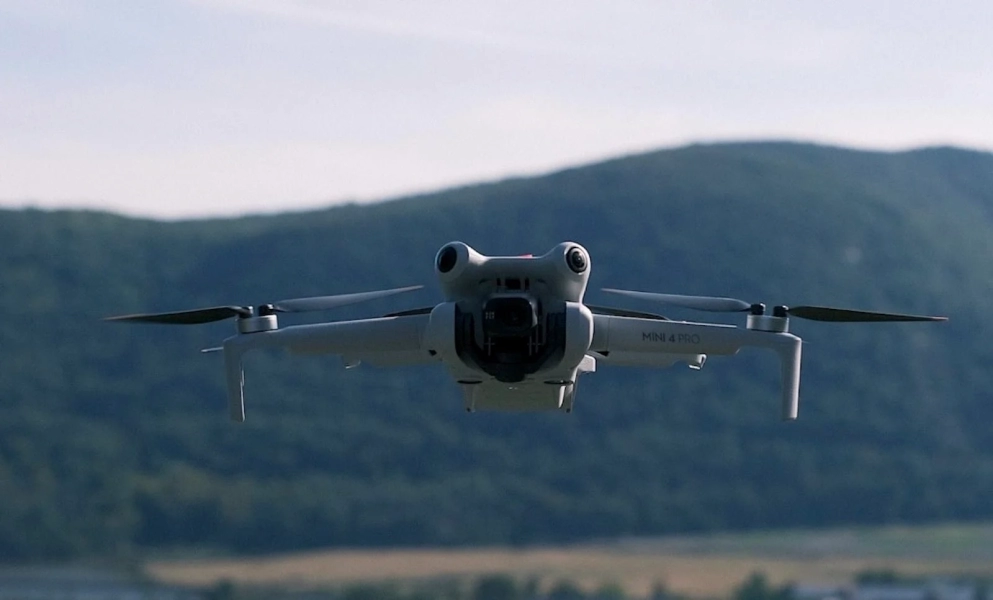 Soaring Above Limits: The DJI Mini 4 Pro Altitude Unlock.
Amazon Drone Deals: DJI Mini 5 Pro Fly More Combo with DJI RC2 now for $1,099!
I’ve been tracking the expansion of police counter-drone capabilities for months, and what just happened is bigger than the headlines suggest. Missouri received $14.24 million in federal funding for World Cup drone security, but that’s not the real story. The real story is that FEMA just deployed the first phase of a $500 million program that will permanently reshape how drones are monitored and intercepted across America.
Here’s what you need to know:
- What: FEMA awarded $250 million to 11 World Cup host states plus the National Capital Region through its new Counter Unmanned Aircraft Systems (C-UAS) Grant Program
- Total program: $500 million over two years, with another $250 million going to all 56 states and territories in FY 2027
- Missouri’s share: $14.24 million for detection, tracking, and mitigation equipment at Kansas City World Cup matches
- Timeline: Equipment can be purchased now through September 30, 2028
According to the Missouri Department of Public Safety, the state will use this funding to protect six World Cup matches at Arrowhead Stadium between June 16 and July 11, 2026.
“As we plan with our local partners in Kansas City, we are taking into account every potential threat related to World Cup matches and other FIFA-related events,” said Department of Public Safety Director Mark James. “This includes being prepared for potential threats from hostile actors who utilize technology, including unmanned aircraft systems.”
The Bigger Picture: Permanent C-UAS Infrastructure
Most coverage is treating this as World Cup security funding. It’s not. This is the seed money for permanent counter-drone infrastructure at stadiums, critical infrastructure, and public venues nationwide.
The FEMA announcement makes this explicit: the program was created under the One Big Beautiful Bill Act of 2025 with a 39-month performance period stretching well past the World Cup. The equipment states buy with these grants won’t be returned or decommissioned after the tournament ends. It will stay in place, integrated into local law enforcement capabilities.
FEMA is already telegraphing the next phase. Next year, another $250 million will go to all states and territories with an expanded focus on building what they call “nationwide detection and response capacity.”
What “Mitigation” Actually Means
The grant language keeps repeating one word that should get every drone pilot’s attention: mitigation.
Detection and tracking are one thing. Mitigation means actively disabling drones, whether through jamming, signal takeover, or physical interception. Until recently, only federal agencies had legal authority to do this. That changed with the SAFER SKIES Act we covered in December, which created the first federal framework allowing state and local police to take down drones at sporting events and mass gatherings.
The FEMA grant program and SAFER SKIES Act work in tandem. SAFER SKIES provides the legal authority. The C-UAS grants provide the equipment. And the FBI’s new National Counter UAS Training Center in Huntsville provides the certification.
According to the FEMA Notice of Funding Opportunity, only law enforcement agencies whose personnel have completed or enrolled in the FBI training can receive mitigation equipment. But once they have it, they have it.
The Numbers Behind the Program
| Category | Details |
|---|---|
| Total Program Funding | $500 million over two years |
| FY 2026 Awards (Current) | $250 million to 11 World Cup states + National Capital Region |
| FY 2027 Awards (Next Year) | $250 million to all 56 states and territories |
| Missouri Allocation | $14.24 million |
| Performance Period | July 4, 2025 to September 30, 2028 (39 months) |
| State Retention Limit | 20% maximum; 80%+ must go to local subrecipients |
FEMA calls this the fastest non-disaster grant program in its history, with awards issued just 25 days after the December 5 application deadline.
“This efficiency is a testament to the Administration’s laser-focus on cutting red tape, getting resources into the hands of law enforcement, and protecting the American people,” said FEMA Acting Administrator Karen S. Evans.
The 11 States Getting World Cup C-UAS Funding
The 11 states receiving Phase 1 funding are those hosting or supporting FIFA World Cup 2026 matches:
- Texas (Dallas, Houston)
- California (Los Angeles, San Francisco/Santa Clara)
- New Jersey (on behalf of New Jersey and New York)
- Florida (Miami)
- Georgia (Atlanta)
- Missouri (on behalf of Missouri and Kansas)
- Pennsylvania (Philadelphia)
- Massachusetts (Boston)
- Washington (Seattle)
- Kansas
- New York
The National Capital Region (DC, Maryland, Virginia) also received funding for America 250 national events celebrating the country’s 250th birthday in 2026.
What This Means for Drone Pilots
For Part 107 commercial operators, the immediate impact is limited. Stadium TFRs already exist, and responsible pilots weren’t flying there anyway. But this funding accelerates a broader trend we’ve been tracking throughout 2025: the rapid expansion of who can detect, track, and disable your drone.
The World Cup is the justification, but the infrastructure is permanent. Once Kansas City police have counter-drone equipment and trained personnel, that capability doesn’t disappear after July 2026. It becomes part of the local security apparatus, available for NFL games, concerts, political rallies, and whatever other events get designated for protection.
This connects directly to what we covered with the SAFER SKIES Act: the NFL documented over 2,000 drone incursions per season for each of the last three years, and that surge in violations drove the legislative push. Now states have both the legal authority and the federal funding to respond.
For recreational pilots, the message remains unchanged: stay away from stadium TFRs. The 3-nautical-mile restriction around NFL and major sporting events is already federal law. What’s different now is that local police will increasingly have the training, legal authority, and equipment to act immediately rather than waiting for federal backup that rarely arrives.
DroneXL’s Take
Here’s what I expect: by 2028, when the grant performance period ends, every major metropolitan area in America will have some form of active counter-drone capability. The World Cup provided the political momentum. The SAFER SKIES Act provided the legal framework. And these FEMA grants are providing the equipment and training pipeline.
Is the security concern real? Yes. Stadium drone incursions have genuinely exploded, and major events are legitimate targets for bad actors. But as we’ve documented throughout 2025, what starts as “stadium security” tends to expand. Once thousands of state and local officers are trained in counter-drone operations and equipped with jamming technology, the pressure to use those capabilities beyond the original scope will be immense.
The good news is that the SAFER SKIES Act includes civil liberties protections and limits mitigation authority to credible threats at defined venues. The program requires ongoing federal certification and reporting. These guardrails matter.
But make no mistake: the drone enforcement landscape is fundamentally changing. The era of “no one can actually do anything about rogue drones” is ending. Whether that’s good or bad depends on whether you’re a responsible operator who follows the rules or someone who’s been counting on the lack of enforcement to fly where you shouldn’t.
If you’re planning commercial operations anywhere near World Cup venues this summer, factor in the reality that local law enforcement will have live C-UAS systems running. Get your authorizations documented and ironclad. The tolerance for ambiguity just dropped significantly.
Are you operating commercially in any of the 11 World Cup host states? How do you expect this C-UAS expansion to affect your work? Let us know in the comments.