
Army Tests Low Cost LUCAS Attack Drone At Yuma
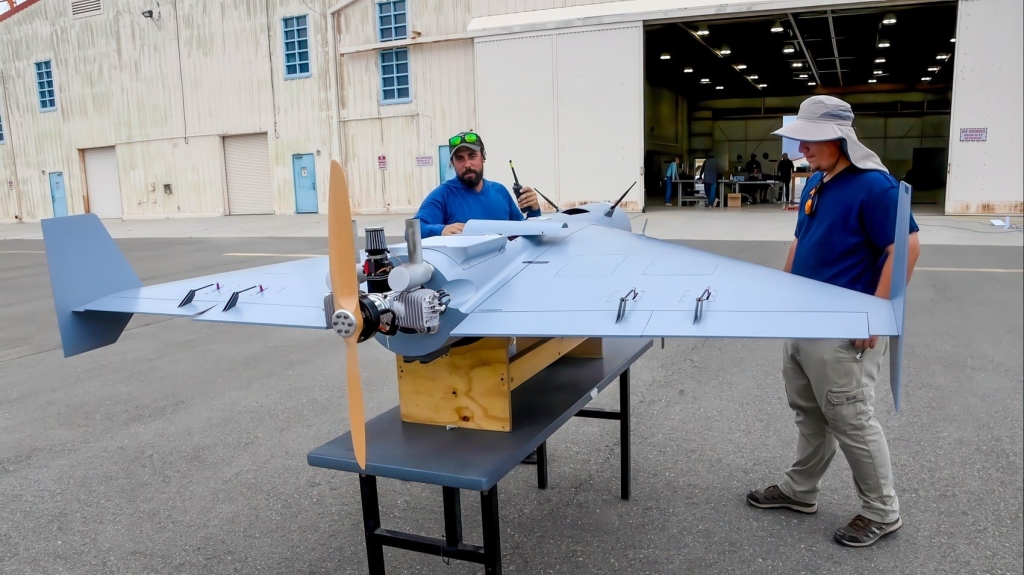 Photo credit: Mark Schauer
The U.S. Army is testing a new one way attack drone called the Low Cost Uncrewed Combat Attack System at Yuma Proving Ground, as Army.mil reports. This is a system meant to be built in very large numbers and at a price point that allows commanders to expend them freely in high intensity combat.
The Marines are sponsoring the program, and its design philosophy follows the spirit of the Liberty Ship production model from World War II, a time when speed and scale mattered more than anything else.
Col. Nicholas Law, Director of Experimentation in the Office of the Under Secretary of War for Research and Engineering, said the service wants multiple manufacturers producing LUCAS in mass quantities, which will also include a simple low cost warhead that is still under development.
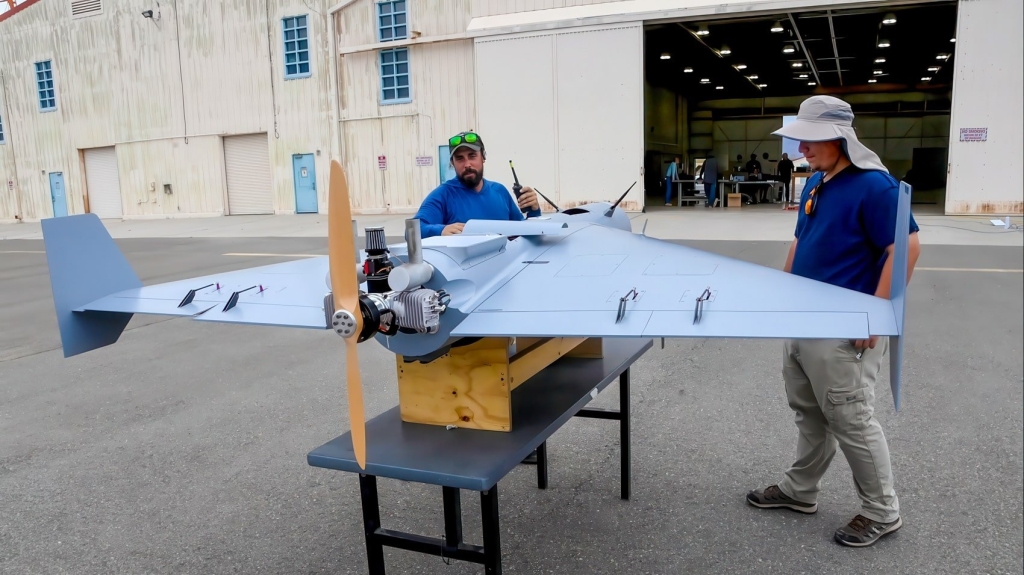 Photo credit: Mark Schauer
For now, the team is flying with inert payloads as they refine the airframe, the command link, and the flight behavior needed for a reliable and expendable attack drone.
Why Yuma Is the Ideal Test Environment
Yuma Proving Ground has decades of experience with unmanned aircraft testing, and its huge footprint gives engineers the freedom to fly without concerns about nearby populated areas.
 The Yuma facilities has its own fauna
Photo credit: Mark Schauer
The facility includes nearly two thousand square miles of restricted airspace, clear weather, very dry conditions, and a unique ability to control wide portions of the radio frequency spectrum. That combination makes it one of the most capable places in the world for long range and complex UAS testing.
Law said the space allows early flight work in safe zones before the team moves to full safety certification and weapons integration. The proving ground also offers access to a broad range of tactical targets, which will support future automated target recognition tests once the weaponization phase begins. The professionalism of the YPG workforce and their deep familiarity with unmanned aviation testing are also proving to be major advantages for the LUCAS program.
Preparing the System for Real Combat Use
As the drone moves toward operational evaluation, testers see YPG as an environment where they can gradually increase risk and complexity, shifting from inert payload flights to actual weaponized trials once the warhead is ready.
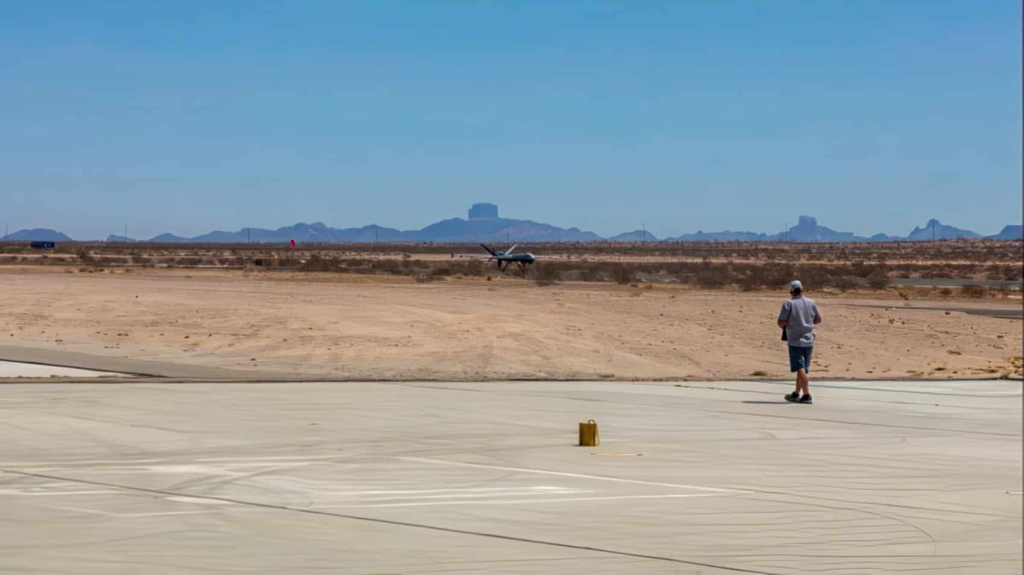 Photo credit: Mark Schauer
The test team intends to use realistic ground targets, electromagnetic interference simulations, and long range mission profiles to validate the system. Since the Army is pushing for layered unmanned capabilities that work with ground maneuver, artillery, and electronic warfare units, programs like LUCAS must mature quickly and at scale, and that is exactly what this test campaign is designed to support.
DroneXL’s Take
The U.S. shift toward large quantities of simple one way attack drones mirrors what we already see on modern battlefields, and programs like LUCAS show how quickly the U.S. is trying to close the gap.
The focus on mass production tells you everything about the future of drone warfare, and it is clear that low cost systems will sit beside high end platforms instead of replacing them. Yuma Proving Ground is the perfect place to shake out these new designs, and it looks like the Army and Marine Corps are ready to push hard into high volume unmanned strike capabilities.
Photo credit: Mark Schauer