
Trojan Horse or Trade Dispute? Texas Attorney General Targets Anzu in High-Stakes Drone Lawsuit
Texas AG sues Anzu, claims company sells DJI clones
By DRONELIFE Features Editor Jim Magill
Claiming that the company is “a wolf in sheep’s clothing” the Texas attorney general has sued Anzu Robotics, for allegedly failing to disclose its business relationship with DJI, and in creating products that are essentially clones of DJI’s UAVs.
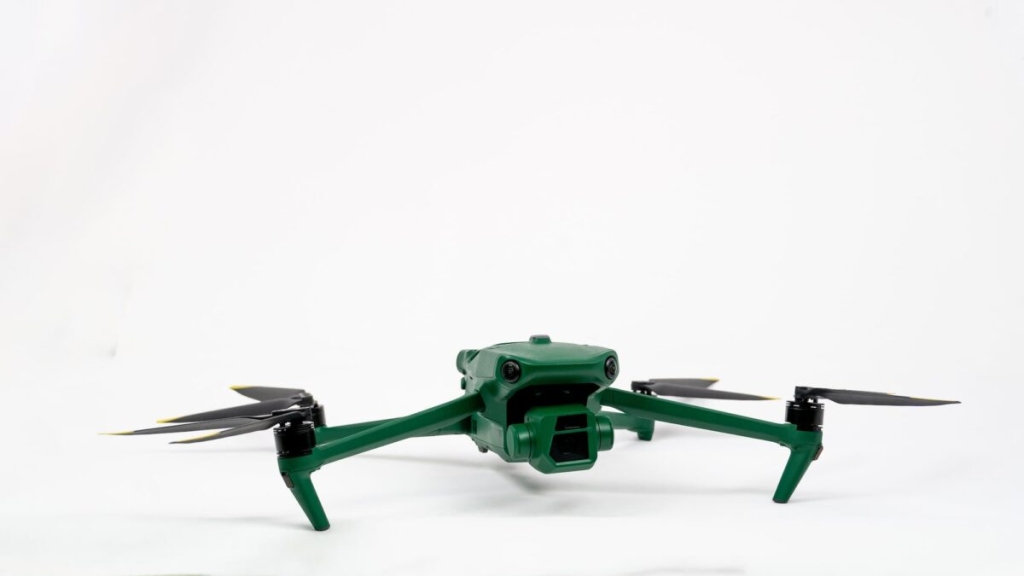
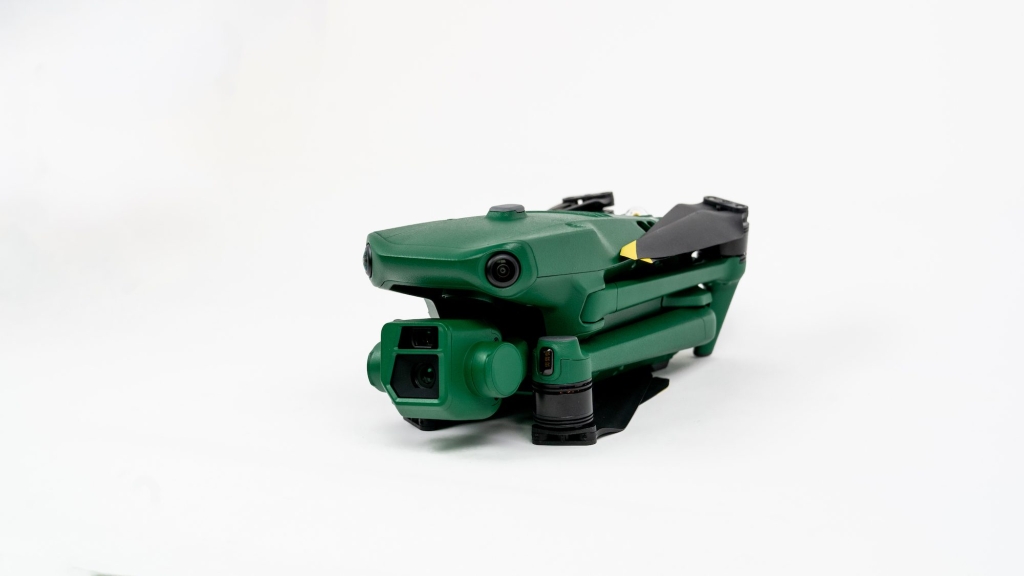
In a suit filed in the District Court of Collin County, Texas Attorney General Ken Paxton alleges that Anzu engaged in “false, misleading, or deceptive acts or practices.” The suit lists seven counts of alleged violations of the Texas Deceptive Trade Practices Consumer Protection Act (DTPA) and seeks a jury trial against the company.
If the court rules in the state’s favor, Texas is entitled to recover up to $10,000 for each violation of the DTPA.
The lawsuit repeats a number of previous allegations made against the Austin-based company: that Anzu was created as a “cutout” company by DJI in an effort to sell DJI-like products in the U.S. in spite of existing and proposed bans, and that Anzu has misrepresented its existing business relationship with DJI.
In addition, the suit claims that Anzu has misrepresented its policies and practices regarding: customer data sharing with DJI; software security vulnerabilities; custom firmware development and its marketing of the Anzu Raptor products as an American-made UAVs, without the security-related baggage that is associated with DJI’s drones.
DroneLife attempted to contact Anzu and its CEO, Randall Warnas, by phone and email, to get a response to the suit, but did not receive a response as of press time.
“Anzu Robotics products are nothing more than a 21st century Trojan Horse linked to the [Chinese Communist Party],” Paxton said in a statement.
The suit also alleges that Anzu products were created as a way of getting around the inclusion of DJI products on the Texas’ Prohibited Technologies List, which prohibits the use of a listed company’s hardware on state-owned devices and networks.
“Anzu’s drones are DJI drones in all but name—with identical hardware, identical firmware, identical software, and only a coat of green paint and an American label to distinguish them from their Chinese counterparts,” the suit states.
The suit does not represent the first time that Anzu Robotics has come under fire for allegedly being a stand-in company for DJI. Almost since the time that the company first launched its Raptor and Raptor T drone platforms, the UAVs have come under scrutiny from critics who described them as DJI knock-offs.
In August 2024 the House Select Committee on the Strategic Competition Between the United States and the Chinese Communist Party sent letters to Warnas and U.S. Secretary of Commerce Gina Raimondo, demanding clarity on Anzu’s relationship with DJI.
“Security researchers have confirmed that Anzu’s Raptor T is essentially a DJI Mavic 3 painted green, with its remote control and application all running on DJI technology,” the letter stated.
The Texas lawsuit alleges that “Anzu initially failed to disclose its relationship with DJI at all, even in regulatory filings with the Federal Communications Commission. When security researchers revealed the connection, Anzu claimed to have developed ‘custom firmware’ that eliminates DJI’s security risks.”
The suit claims that Anzu has harmed its customers by failing to disclose the risk of data leaks.
In a Cyber Security Statement on its website, Anzu attempts to put to rest any concerns over possible data transfers.
“Anzu Robotics is an entirely American-owned company, ensuring that the development and deployment of our drone technology align with domestic regulatory standards and security protocols,” the statement says.
“All data captured by our drones is stored locally on the SD card of the drone itself, minimizing the risk of unauthorized access during transmission. Additionally, the data is encrypted using AES-256 encryption, a robust encryption standard that ensures the confidentiality and integrity of your data”
However, the lawsuit claims that DJI retains control of the cryptographic keys that encrypt the Anzu drone’s firmware, which means DJI, and by extension the Chinese government, “the technical capability to access, modify or extract data from Anzu drones.”
The company’s security statement points to Anzu’s partnership with Aloft AI, a U.S.-based software development company, as a further testament to its commitment to customer data security. “Aloft holds ISO 27001 and SOC 2 TYPE II certifications, demonstrating their commitment to information security and adherence to rigorous security practices.”
Yet the Texas lawsuit seeks to undermine these claims as well.
“Far from being a DJI-independent security solution, Aloft is itself a DJI-integrated platform,” the suit states.
In seeking relief from Anzu’s alleged misrepresentations, the suit asks the court to issue a temporary restraining order “enjoining Anzu from collecting, sharing, selling, disclosing, using or otherwise disclosing any data it collects about Texas consumers during the pendency of this suit.”
The litigation also calls for the issuance of a temporary injunction against Anzu that would prevent the company from continuing its alleged improper behavior pending the final outcome of a trial. In addition, the suit asks the court to “order Anzu to represent to the public that its Raptor T drone is a rebranded DJI drone.”